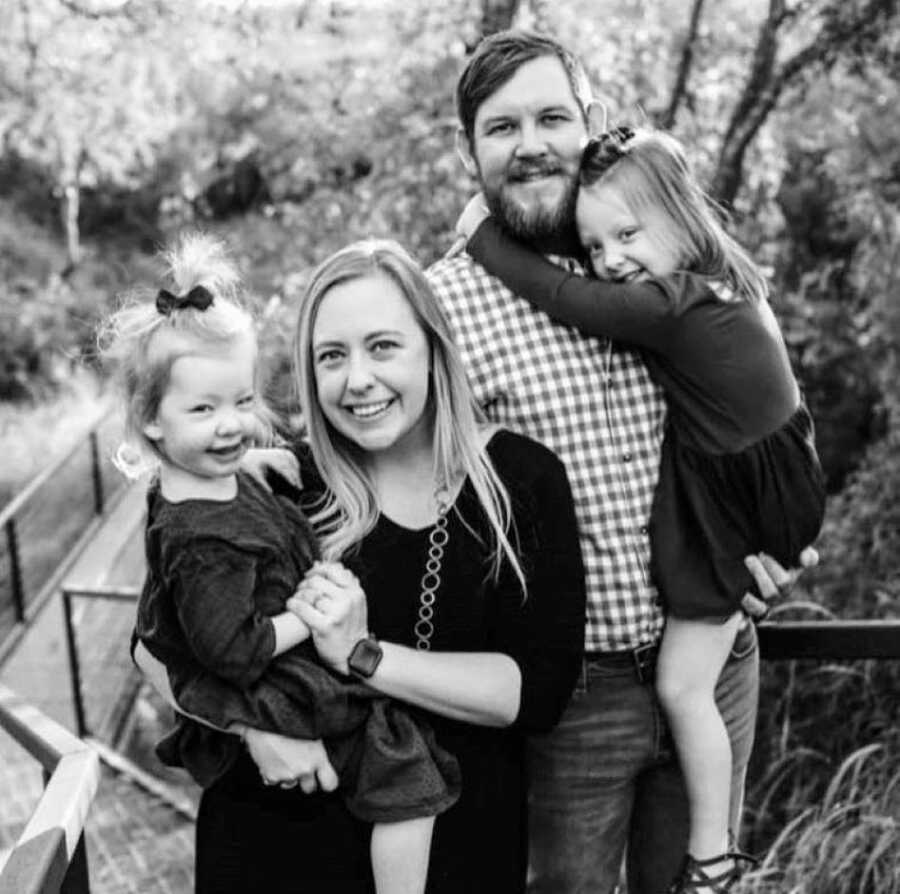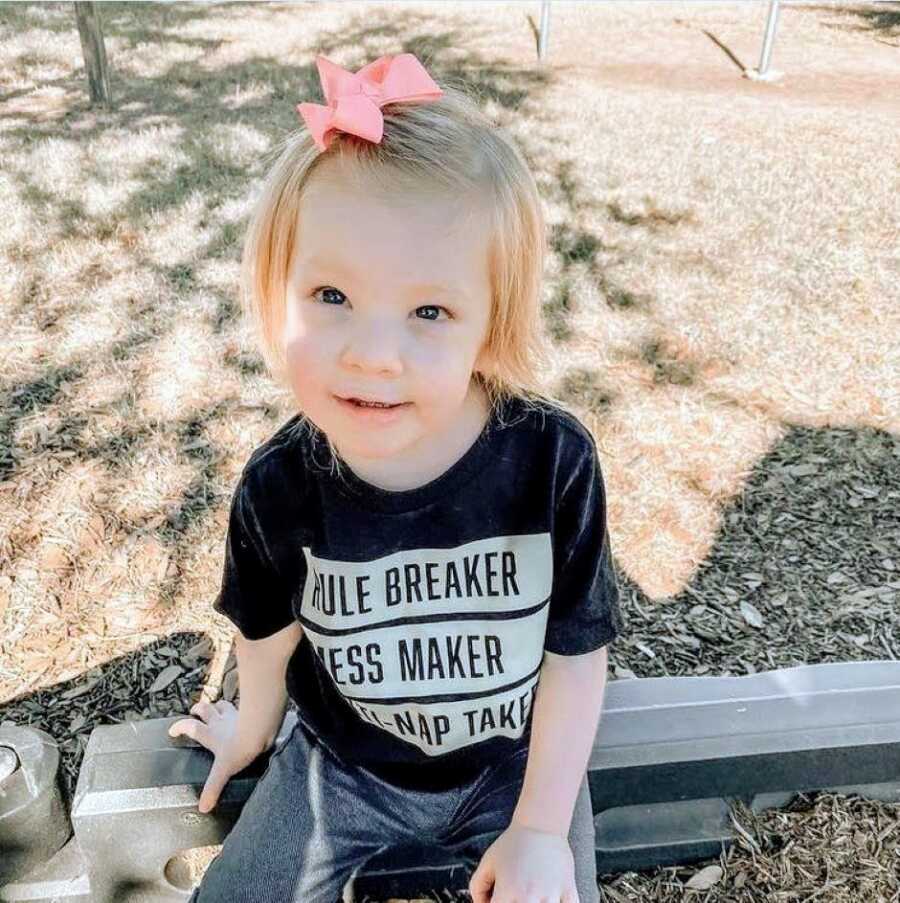
It was a Wednesday evening, like so many before it, and I was giving Charley a bath. My mind ran on autopilot, ticking off the mental checklist: pick out outfits for tomorrow, pack lunches and backpacks, don’t forget extra snacks for the drive home. Somehow, our drive home had become snack time, and the crumbs under the car seats were getting out of control.
The phone rang. I paused. That number looked familiar. My heart skipped. It was the geneticist. He wanted to see us tomorrow to discuss Charley’s latest genetic test results. “So… you’re saying it’s not negative?” I asked, my voice barely steady. “Yes,” he replied. “It’s not negative. We have answers, but I need to do a bit more research before I can discuss them. Can you come in tomorrow at 3:00?” I said yes, my stomach dropping. After we hung up, I looked at the clock. 6:45 p.m. Why now? Why not wait until morning? My mind spiraled. It must be terminal. Please, God. Please, not terminal.
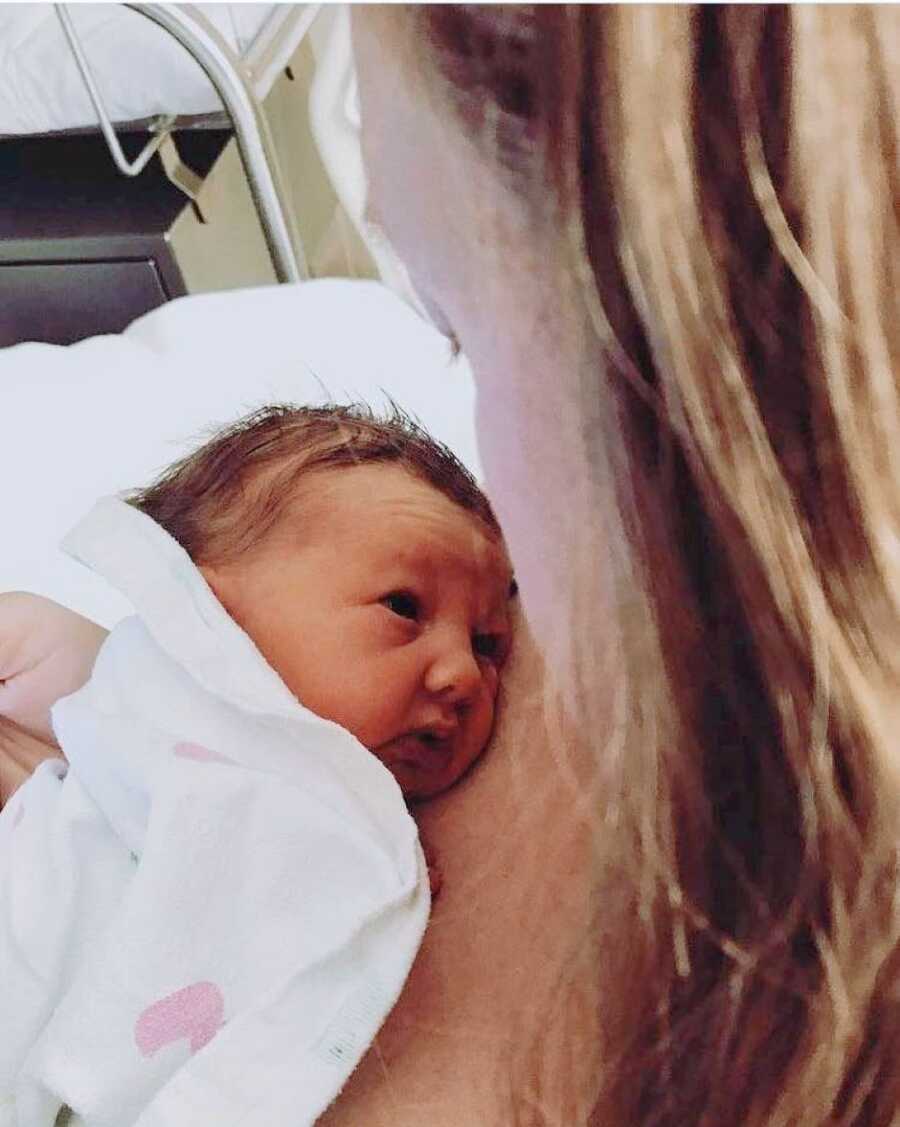
That night, I held my baby girl tight, praying with every fiber of my being that I could keep her in my arms forever. But guilt crept in. Was I being selfish? Maybe it would be easier for her if her life were shorter. Then she wouldn’t have to live in a group home after Nathan and I were gone. I wouldn’t have to worry about her being mistreated or taken advantage of. The “what ifs” came in waves, relentless. All I could do was cry.
Eventually, I laid my sweet girl down in her crib, cried with Nathan, and retreated to bed, desperate to be alone. My heart raced and my thoughts refused to quiet. I turned on worship music, took my anxiety medication, and somehow managed to fall asleep by 8:30 p.m.
The next day was a whirlwind. I dropped Charley at school, then went to my parents’ house to wait. Whitley watched TV all day, lunch was delivered, and I slept. Even after hours of rest, exhaustion clung to me. At 3:00 p.m., Nathan met us at the geneticist’s office. We waited what felt like an eternity, though it was probably only minutes.
A resident sat in the room, observing. He asked to see Charley’s hands, noting her pinky nails were normal, her eyebrows weren’t bushy. They asked about her heart and kidneys—we said no issues. And then, finally, he handed me a stack of papers and spoke the words that would change our lives: Charley has a mutation on the ARID1B gene. He explained something called Coffin-Siris Syndrome and shared that she is the only person he knows with this exact mutation.
He described her as rare, with intellectual disability and potential communication struggles. He told us about another girl with a similar mutation who walked at 24 months—like Charley—and by age six could say a few one-syllable words. Her life expectancy, he said, would not be affected. Not terminal, I breathed. Thank you, God.
We learned Charley would need annual vision and hearing screenings. Hearing loss and autism are common. She may be nonverbal. We’d need to explore communication devices and therapies. Heart and kidney check-ups were critical, among other medical considerations. She might learn words or signs and not retain them—a reality we had already glimpsed.
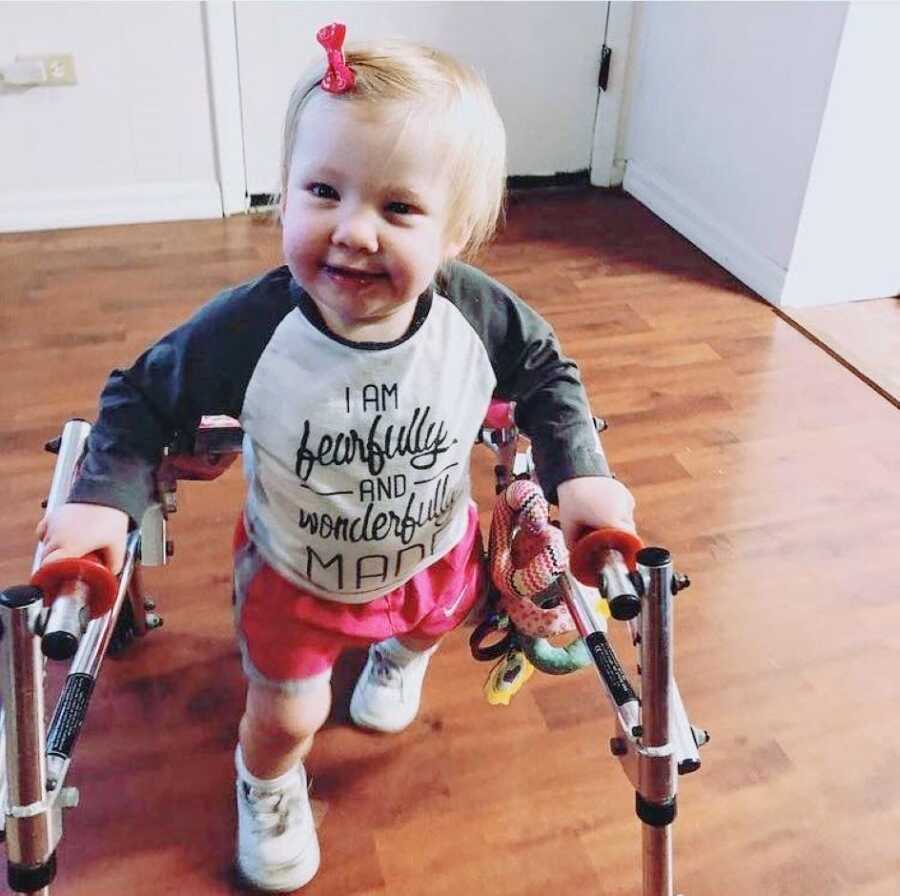
The rest of the appointment blurred. Nathan took Charley to run errands, and I sat in the parking garage, composing a text to share with family and friends. Later, I returned to my parents’ house, lying on their bed and reading every packet the doctor had given us. After absorbing all I could, I went online—support groups, registries, therapy options, stories of other ARID1B children and adults. That weekend, I researched, worried, and let the girls watch far too much TV. Exhaustion came, no matter how early I slept—8:30 p.m. Friday, 7:45 p.m. Saturday—but it never felt like enough.
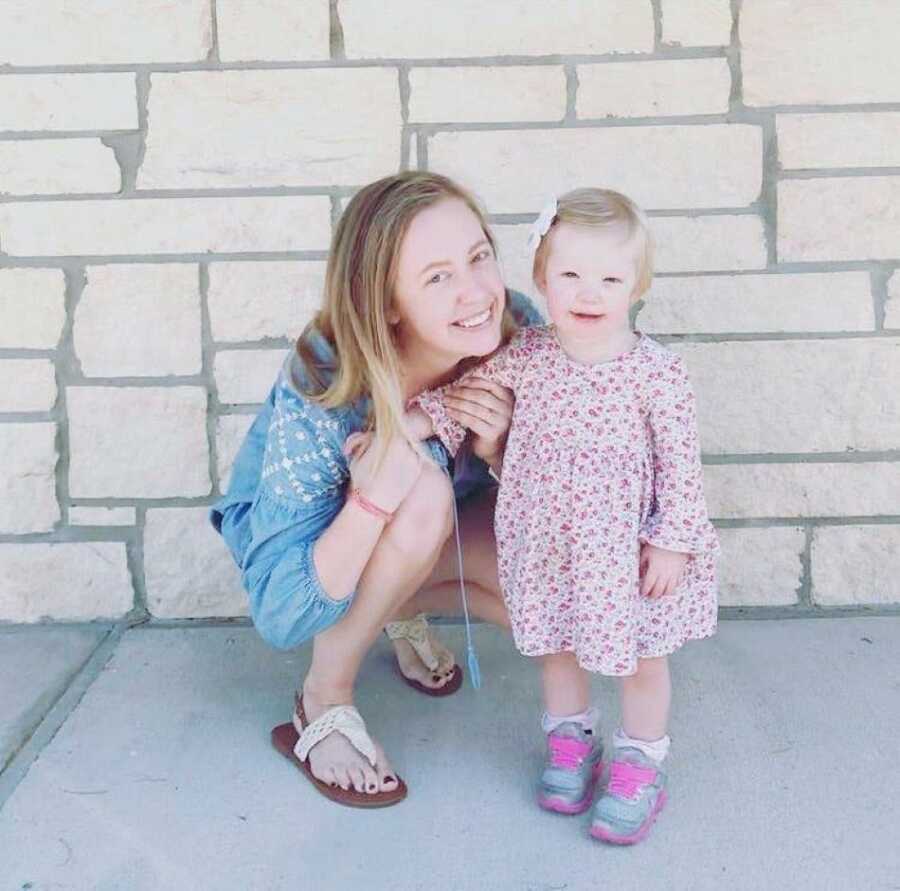
Sunday morning brought more challenges. Charley had a cough and runny nose, Whitley dropped a stepstool on her toe, refusing a shoe. Nathan stayed home with the girls; I went to church alone. As I sat in Sunday School, I realized immediately that I wasn’t okay. The thoughts poured in unchecked. Without research to distract me, I faced the rawness of it all.

I looked around at the other incredible moms in our special-needs group. I don’t want this club. I can’t do this. Then, glancing at moms with neurotypical children, a wave of jealousy and anger hit—not at them, but at God. And then the tears came—flooding, loud, unstoppable. My church family surrounded me, weeping with me, praying over me and my precious little family. They reassured me it was okay not to be okay, that God could handle my anger, that grieving was allowed. So grieve I did, and grieve I still do.
A year later, I’m still grieving—moving between denial and acceptance. Deep down, I always sensed something was different about Charley. I thought a diagnosis would bring closure, that the questions would end. Instead, it simply closed the door on denial, inviting anger, sadness, and fleeting moments of acceptance into my heart.
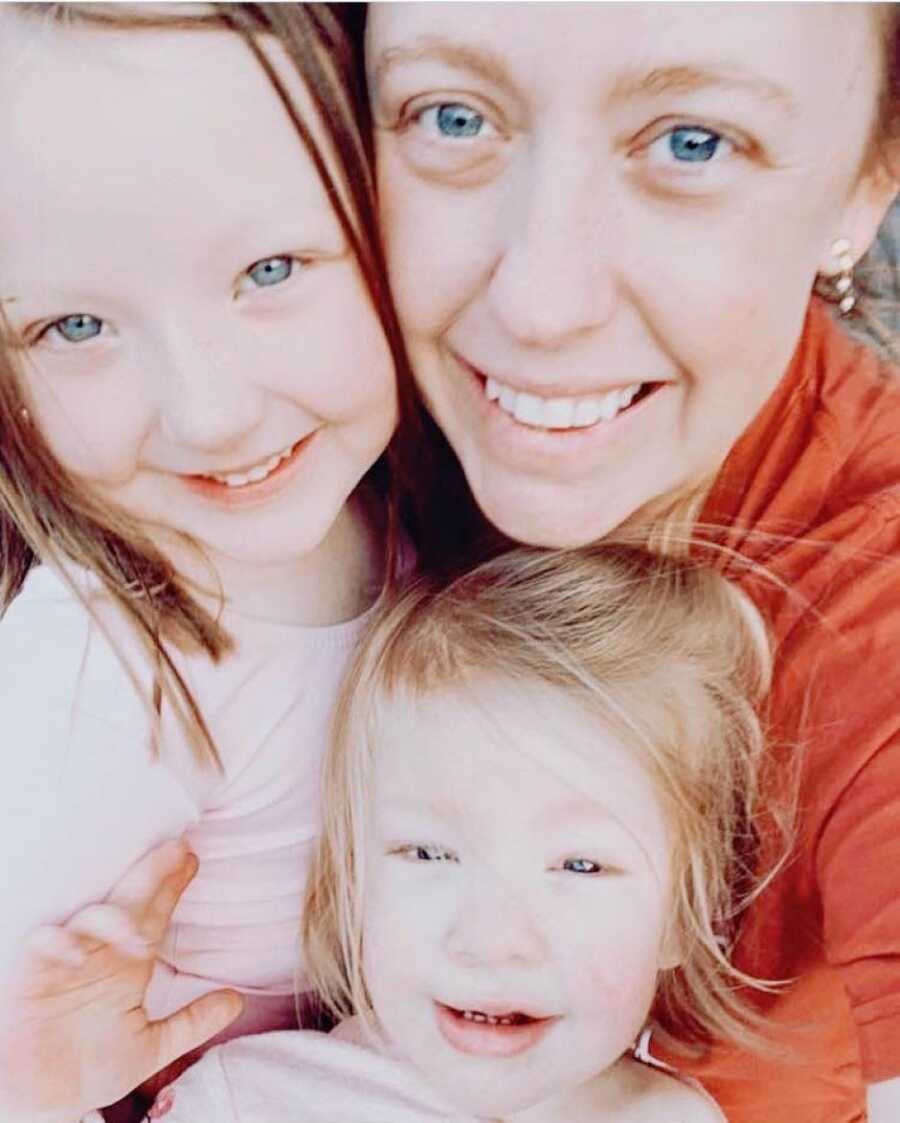
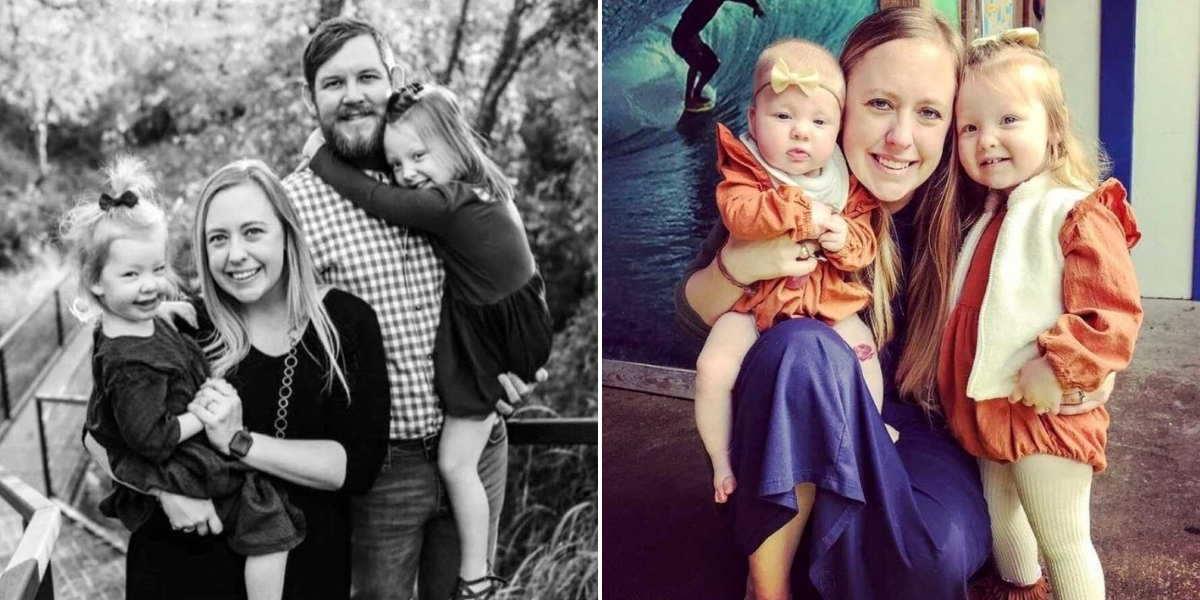
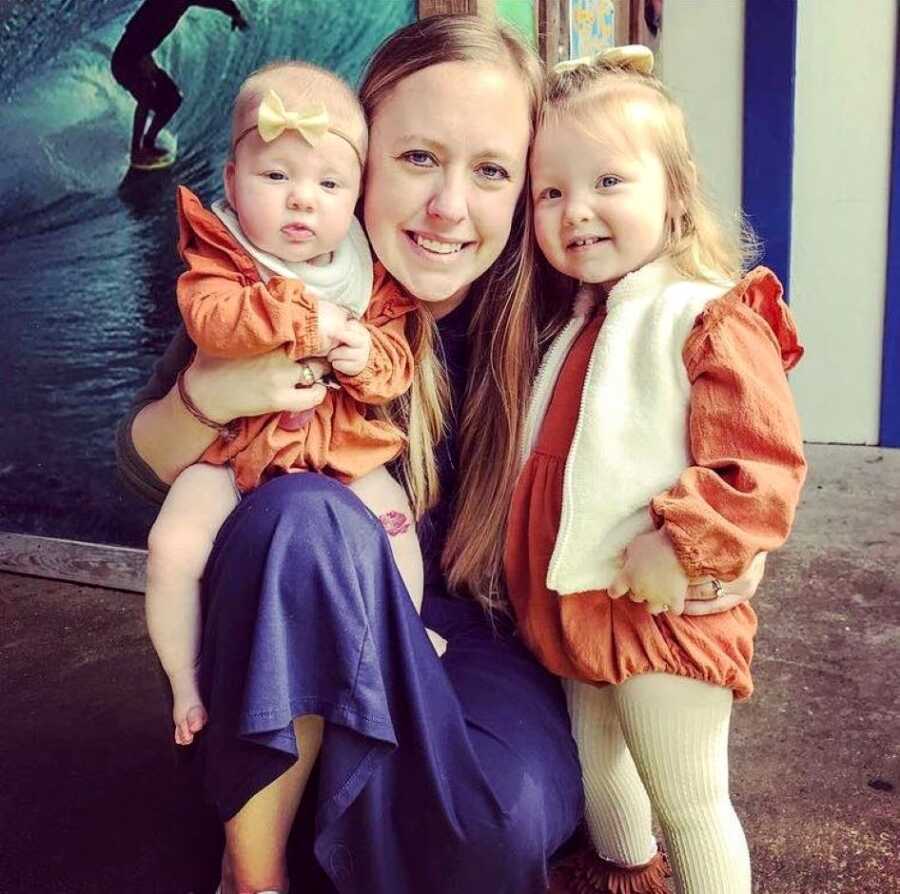
My feelings are raw and messy. My thoughts aren’t neat or uplifting. Yet even in the darkest moments, my prayers end in hope. Among the special-needs community, parents call themselves “The Lucky Few.” Those of us entrusted with these extraordinary children are blessed beyond measure. Charley is not broken. I stopped praying for healing long ago because she is exactly who God created her to be—and I love her fiercely for it, just as I love both my daughters completely.


I won’t sugarcoat it: this diagnosis has been incredibly hard. I had plans for her life, for our family, for me—college, marriage, grandbabies, adventures with Nathan. I expected her sweet voice to say, “I love you” by now. I imagined the sisters becoming best friends like my own. Our reality is different, yes, but it is precious and full of love.
So if you’re in the midst of a broken, unexpected path, know this: God’s plans are higher than ours. It’s okay to be sad. It’s okay to not be okay. But don’t linger there. Let go of the life you imagined and embrace the one He has given. It’s painful, but it transforms. You will emerge loving God more deeply and reflecting His image more fully.
“For I know the plans I have for you,” declares the Lord, “plans to prosper you and not to harm you, plans to give you hope and a future… And we know that in all things God works for the good of those who love Him, who have been called according to His purpose.” – Jeremiah 29:11; Romans 8:28