It started innocently enough—waking up sore every morning, like I had worked out after weeks of doing almost nothing. I joked with a friend, saying, “Well, I guess this is what happens when you’re approaching 30.” For a few weeks, I brushed it off, thinking I just needed better nutrition, more rest, or a bit more exercise. But then my hands began to stiffen and ache. Simple things like typing or opening jars became painful. I convinced myself it was just carpal tunnel from all the time I spent on my phone and laptop. I told myself to slow down and it would pass.
Then one morning, everything changed. I woke up and couldn’t move. Not an inch. Panic and fear flooded me as tears streamed down my face. My brain was screaming at my body to move, but it wouldn’t. After an agonizing struggle, I managed to get one arm to reach for my phone and call my sister in the next room. Without her help, I couldn’t move at all. Something was very, very wrong.
By May 2020, I realized this was more serious than I ever imagined. My symptoms were escalating fast, and I needed a diagnosis immediately. Scheduling a doctor’s appointment during the COVID-19 pandemic was nearly impossible. My first available slot was in December, but by a stroke of luck, a cancellation allowed me to see a doctor in July. Over the next few weeks, my condition deteriorated. My feet swelled, and no matter what I did, nothing helped. Standing from the couch became a struggle; walking up three steps felt impossible.
Pride had no place in my life anymore. I needed a walker or cane to get around, and eventually, I couldn’t even lift my leg to get into the shower. My mom helped me bathe, dress, and even cut my food. At 29, I felt like a senior citizen. Emotionally, it was devastating. I cried daily, not just from pain but from losing the independence I had always taken for granted.
The morning of my appointment, I woke up feeling cautiously optimistic—I was finally getting help. But that hope quickly turned to despair. I tried on my shoes and none fit due to my swollen feet. Frustrated and in tears, I had to settle for slippers after even the larger shoes my mom bought wouldn’t fit. Arriving at the doctor’s office with a walker was humbling. I was likely the youngest person in the waiting room using one. After running several tests, my doctor looked at me with concern and prescribed steroids to help with muscle weakness and joint pain. That night, my symptoms worsened, and I struggled to breathe due to leg and chest pain. My mom and sister took turns staying with me each night until the medication, Prednisone, began to improve my mobility.
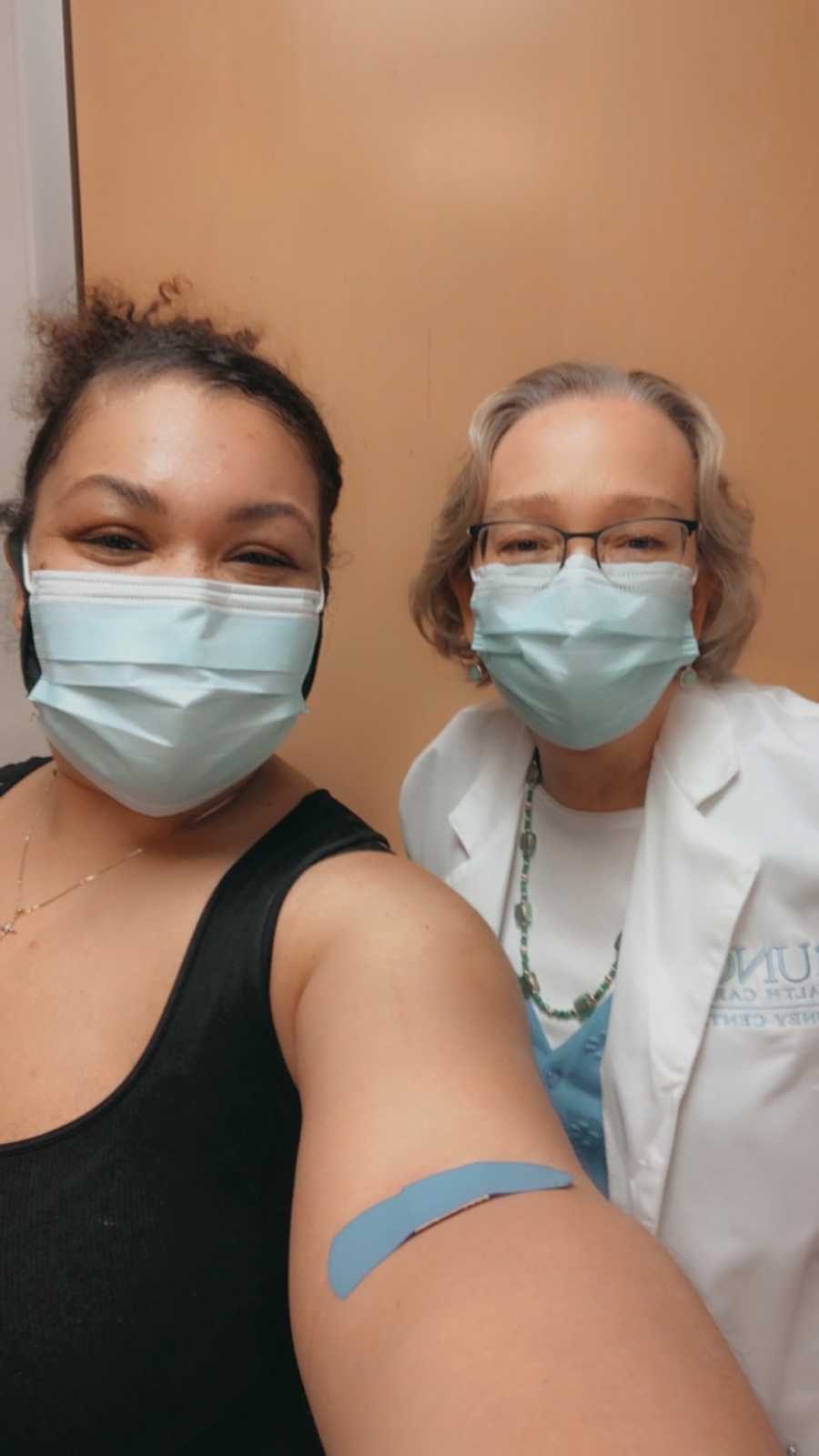
When my doctor called in August, I was hopeful to share progress, only to hear words that stunned me: “You have lupus and Sjögren’s syndrome.” I had braced myself for rheumatoid arthritis, but lupus was unimaginable. I didn’t even have the butterfly rash I’d always associated with it. For a moment, the world fell away. I stared blankly, overwhelmed by fear, grief, and disbelief.
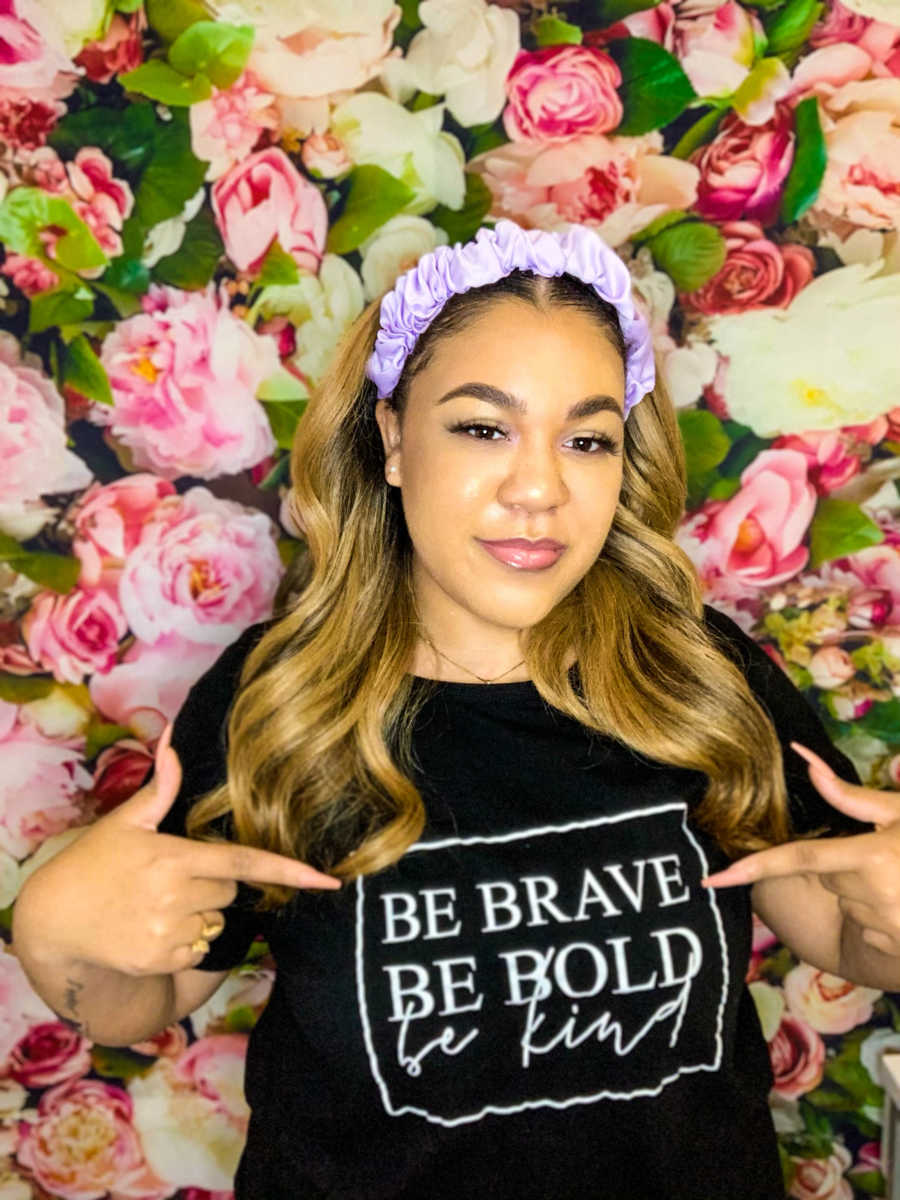
The reality hit hard—this was a chronic autoimmune disease I would live with forever. Tears fell as my family surrounded me, offering encouragement and prayer. I allowed myself a moment to feel, to cry, and then we prayed together. My faith never wavered—I had seen God heal my parents—but facing this felt like stepping into the unknown.
Acceptance came slowly, bolstered by my incredible support system. Going through a pandemic, being high-risk, and relying on my family as caretakers added layers of challenge. For my 30th birthday in September 2020, I had dreamed of celebration, but instead, I prayed simply to feel like myself again. Even so, my family made the day special with a drive-through party, showing me love and understanding in ways words cannot express.
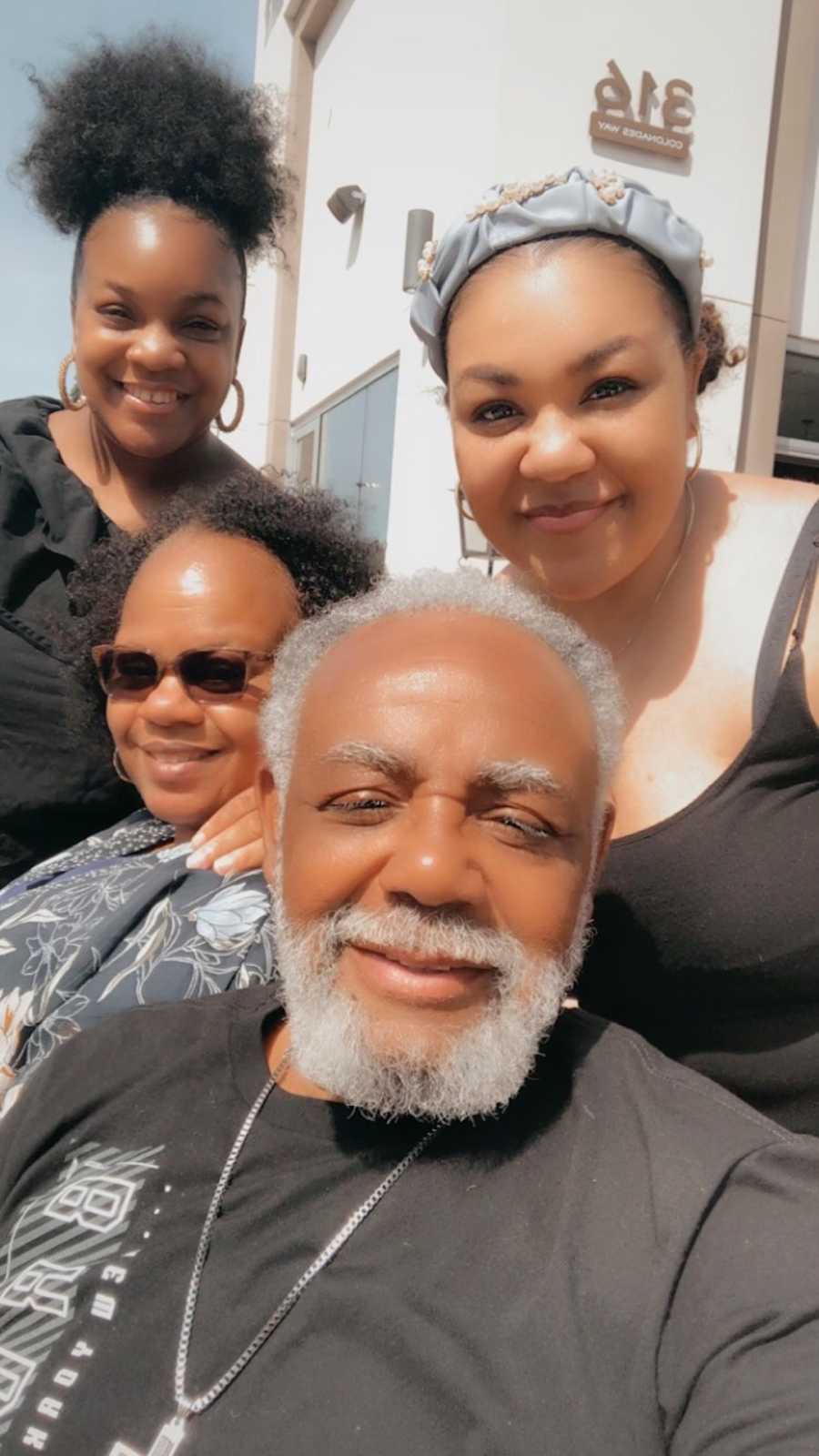
Faith and community became lifelines. My church family at Christian Provision Ministries, nightly communion, and intentional prayer brought me comfort. My care team at UNC Hospital guided me through understanding lupus, educating me on risks I face as a woman of color, and helping me plan the next steps. Friends, too, became a support network, listening, checking in, and allowing me to vent. I connected with other women living with lupus, finding inspiration to advocate and spread awareness about this “invisible disease.”
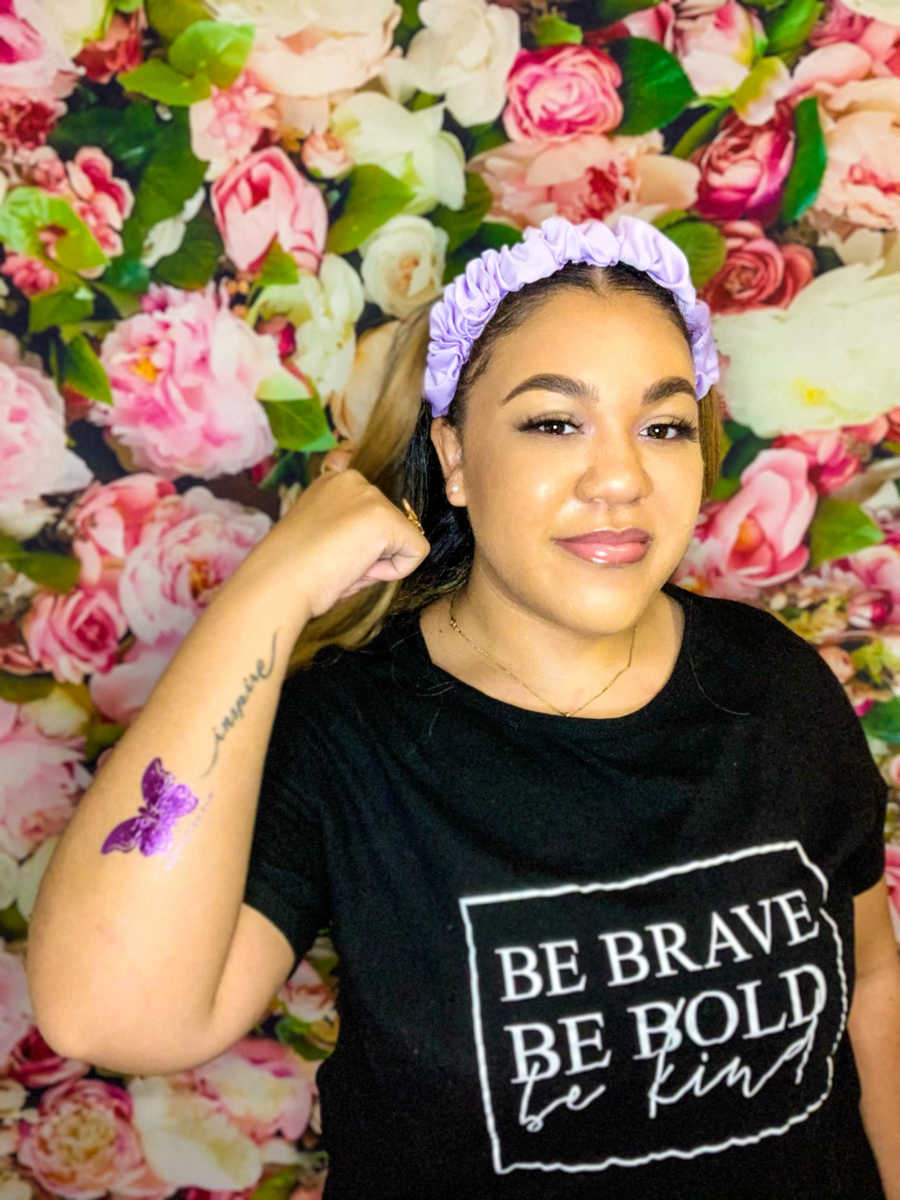
Before my diagnosis, I was balancing multiple roles—after-school teacher, freelance makeup artist, beauty writer, and marketing assistant. Pain and fatigue made work challenging, especially when COVID-19 restrictions lifted. Yet my employers and co-workers were supportive, and being a Beauty Guide for LimeLife by Alcone allowed me to continue doing what I love virtually. I had to pause client appointments due to risk, but I kept learning, growing, and building my skills, determined not to let lupus derail my passions.
The road hasn’t been easy. I struggled with arthritis in my hands, doubting if I could even hold a makeup brush again. But persistence and patience paid off. For the first time in over a year, I applied makeup at an awards show for work—a milestone of hope and resilience. My journey has strengthened my faith, deepened my gratitude for life, and taught me the strength I didn’t know I had. Writing this brings back the intensity of those emotions, but also immense gratitude for how far I’ve come.