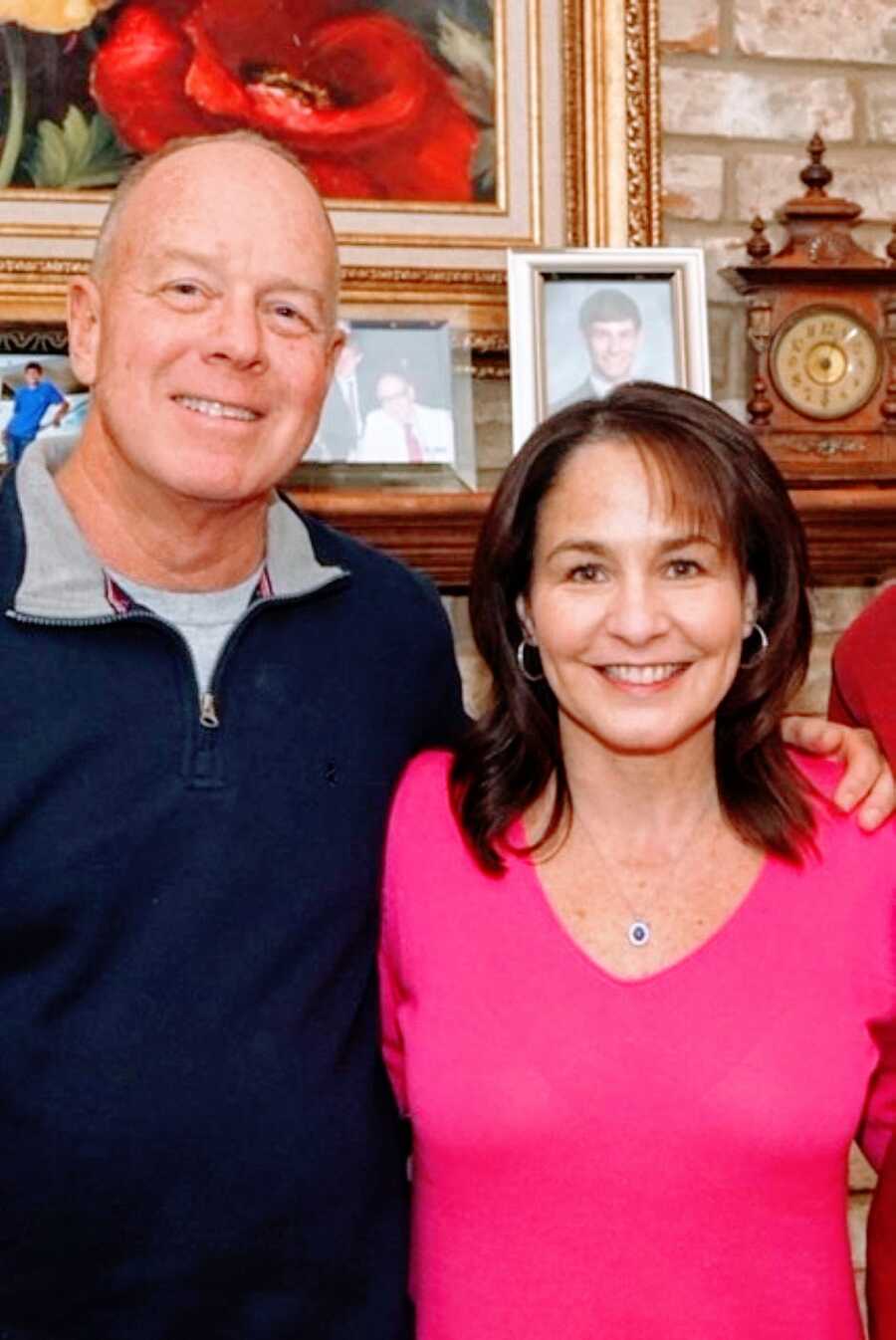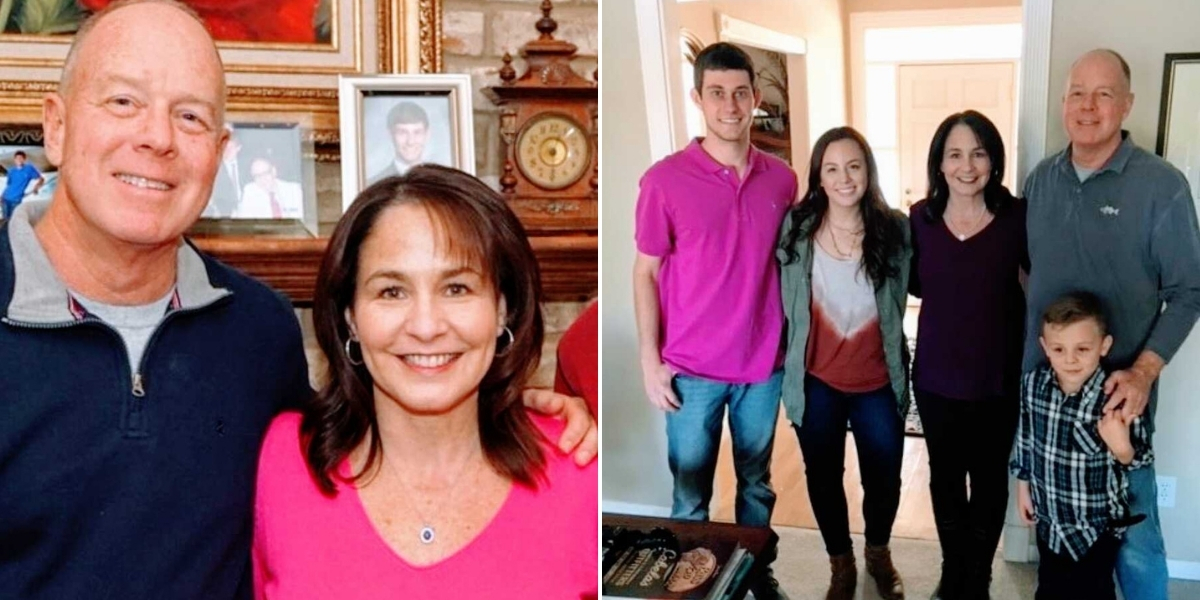
On November 9, 2020, my world shifted into a role no one ever wants to step into — I became a widow. My dear husband lost his valiant 10‑month‑and‑10‑day fight with metastatic melanoma, and suddenly life looked nothing like it once had. This past year has brought loss to so many families. Knowing I am not alone offers a small comfort, yet it doesn’t make walking through grief any easier. People look at me and feel afraid, not of me, but of becoming me — of facing a loss so deep it stops your breath and your tears. And honestly, they should be scared. You cannot understand the brutal landscape of grief until you stand inside it yourself, and it is different for each of us.
At 51, like many of my friends, I had mourned parents and grandparents. Those losses were heartbreaking, but somehow expected as part of life’s rhythm. Losing a partner at a younger age is something entirely different. You lose your love, your friend, your companion, your safe place, your future plans — piece by painful piece. I used to believe I was strong. I had already battled two cancers and emerged on the other side. But my husband’s passing brought me to my knees, forcing me to realize I am not the immovable rock I thought I was. In the world of grief, I don’t even feel like a pebble.
As the weeks drifted by, the phone calls and sympathy cards began to slow. I know people still care deeply about my family and our loss, but while life continues moving forward for them, mine feels frozen in place. I don’t hold resentment — I’m grateful they aren’t living this same pain — yet the loneliness is relentless. No one greets me when I walk through the door. There’s no one to kiss goodnight, laugh with during a movie, or join me for a simple neighborhood walk. Everyday moments I once took for granted are now quiet reminders of what is gone.
Even though friends mean well, I often wish they wouldn’t ask, “How are you?” There is no honest answer that satisfies. People hope I’ll say I’m getting better, healing, moving forward — but that isn’t my reality. My first instinct is to respond, “How do you think I am? I just lost one of the most important people in my life.” Of course, saying that would only make everyone uncomfortable. So I smile and say, “I’m okay,” even when it couldn’t be farther from the truth. Maybe the better question would be, “Is today any easier?” — and then truly listen. Talking about the tears and loneliness helps, even if it’s hard to hear.
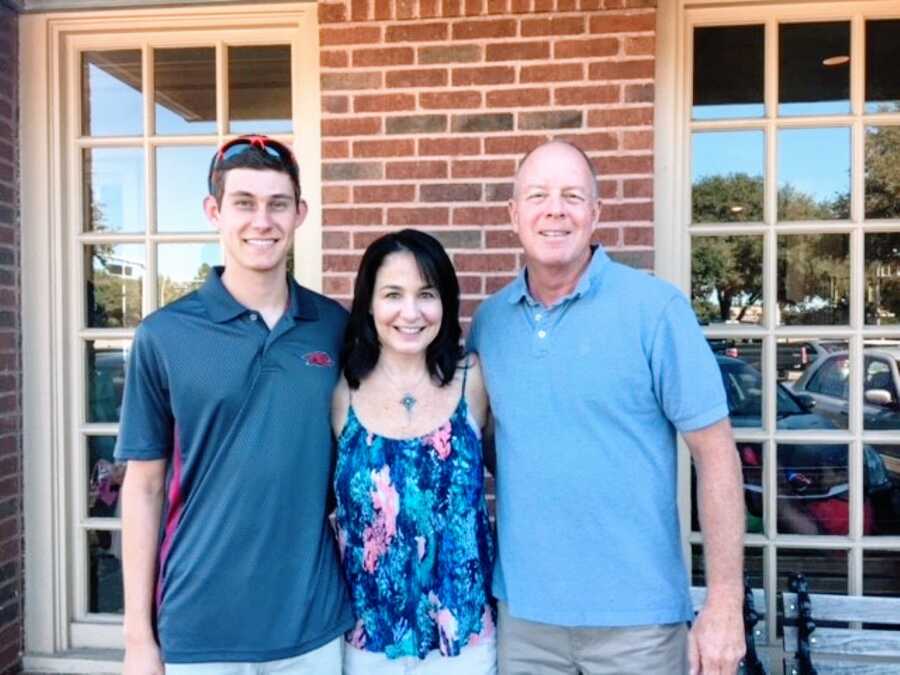
Grief also changed something I never expected: my relationship with food. Friends gently remind me I’ve lost weight and need to eat, but what they don’t see is that I physically struggle to do so. I once loved cooking and baking. Now, the thought alone brings tears. Every recipe holds meaning — the last dish I made for him, the ingredients I bought for his favorite meals, the cartons of ice cream still in the freezer he used to enjoy at night. Each item whispers memories, and sometimes that hurt is overwhelming. I appreciate the concern, but eating has become its own quiet battle. I hope, in time, it becomes easier.
Shortly after my husband died, people slowly stopped saying his name, as if protecting me from more sadness. Instead, it made the silence louder. No one wants their loved one to vanish from conversation — that fear of being forgotten is real. Hearing stories about him doesn’t break me more; it actually comforts me. I may cry, but I would cry anyway. Please keep speaking his name. Share the memories. One day, I hope those tears shift from painful to grateful.
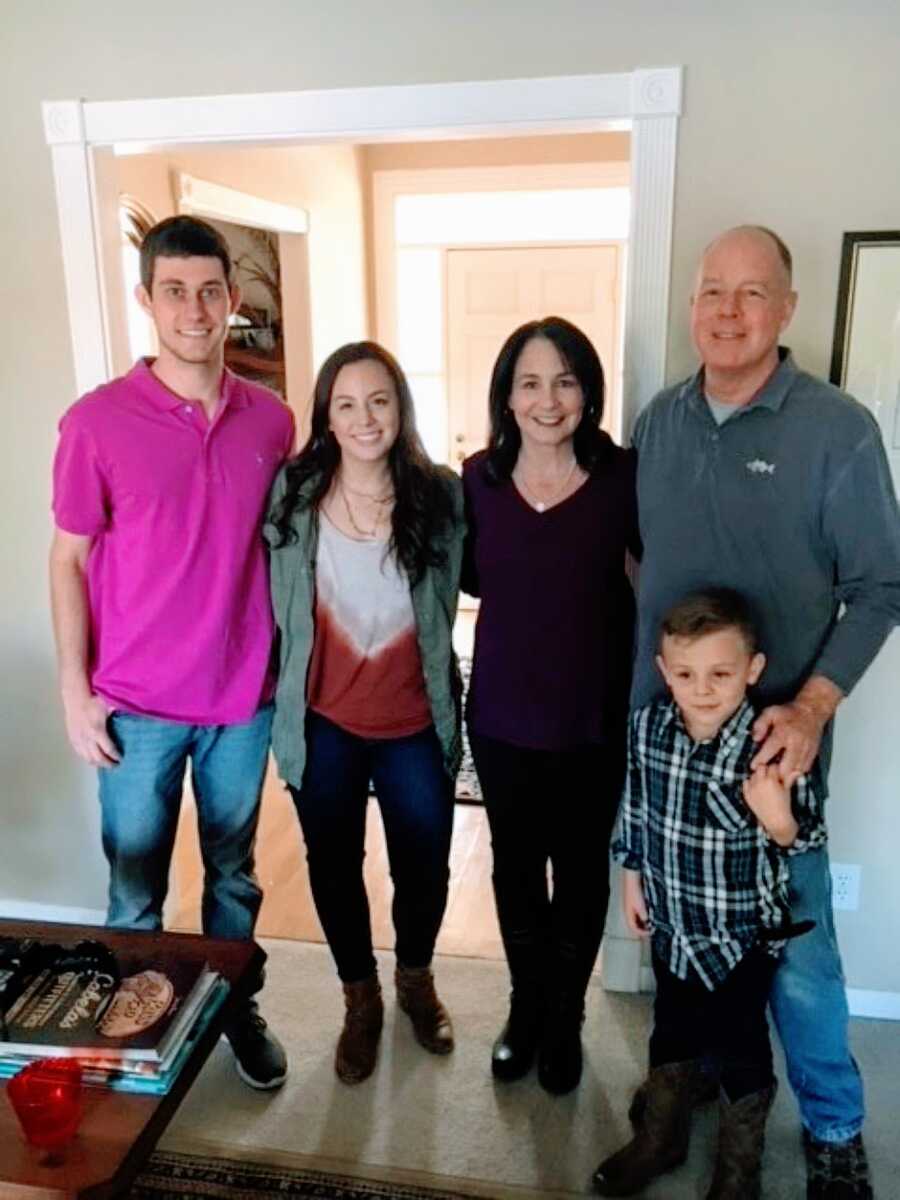
When people ask what truly helps during grief, my answer is simple: just be there. Don’t say, “Let me know if you need anything.” Most days, we don’t even know what we need. The gestures that meant the most were small — a meal left on the porch, someone walking the dog, a friend grabbing groceries without asking. Those acts of love carried me.
Above all, allow me to be sad. You can’t distract me out of grief or cheer me up — not yet. I will cry, scream, and feel broken. Grief is deeply isolating, and what we need most is quiet support and patience. Many of us come home to empty houses now, with no one to share a story, a worry, or our children’s milestones. Think of the person you love most. Imagine them gone in an instant. You can’t truly picture it — but I live it every day.
Please don’t forget about me, or about him. We need you more than ever.