For years, I dreamed of a day when I could finally escape the home of abuse that had defined my life. Deep down, I didn’t fully believe it was possible—but imagining that day, even as a fleeting hope, became my lifeline, a mental escape from a reality I could not endure. I lived under constant fear, silenced by blackmail, knowing that speaking out could cost me my life. And yet, there came a day when hope seemed completely gone, when I no longer cared whether I lived to see tomorrow. With suicide notes written and my mind made up, by what I can only call the grace of God, the very day I planned to end my life became the day I was placed into the foster care system.
I remember standing in a busy grocery parking lot near my high school, a 17-year-old with fresh blood crusted under my eye, my breath misting in the cold Oregon night air. The headlights of passing cars sent waves of pain into my black eye, and my body was frozen with fear unlike anything I had ever felt. On May 24, 2010, with nothing but the clothes on my back, I became a ward of the state of Oregon, case #IK73509, and the life I had known was irrevocably gone.
The weeks and years that followed were a whirlwind of emotions. Being removed from everything familiar—no matter how toxic or painful—was traumatic. Though I was placed in a physically safe home, the sense of safety was foreign to me. Trust was something I didn’t know how to give; I relied only on myself. Though the cupboards were full and people were present, I carried the constant feeling of scarcity and isolation, as if I were fending for myself in a world I was never meant to navigate alone.
My behaviors mirrored the terror of the child I had been: flinching at sudden movements, bursting into tears without warning, and erecting walls so high that closeness felt impossible. At my core, however, that frightened little girl longed for belonging. I dreamed of a mom to hold me when I needed comfort, to guide me into womanhood, and a dad who would keep me safe, showing me that not all men meant harm. I yearned for parents who would pray for me, advocate for me, and cheer me on. Even as I doubted my worthiness of these dreams, my heart knew this was all I truly wanted.
As the countdown to aging out of the system sped up, reality sank in: I would likely never be adopted. The cruel voice of my birth mother, echoing her years of taunting, filled my mind: “You’ll never find anyone who will love you.” Each word splintered a piece of my already fragile heart. When I finally aged out without a family, I buried the dream of adoption, feeling foolish for ever hoping anyone could choose me as their daughter.

Yet, within foster care, I found something invaluable: a caring community. They celebrated my highs and supported me through my lows—graduating high school, navigating grief, winning an art scholarship, coping with the sudden death of my Independent Living Program caseworker, singing at church, enduring multiple foster placements, securing a dream internship, and even learning to drive. Each adult who stood by me embodied the truth behind the phrase, “one caring adult can change a life,” and I was blessed with many such life-changers.
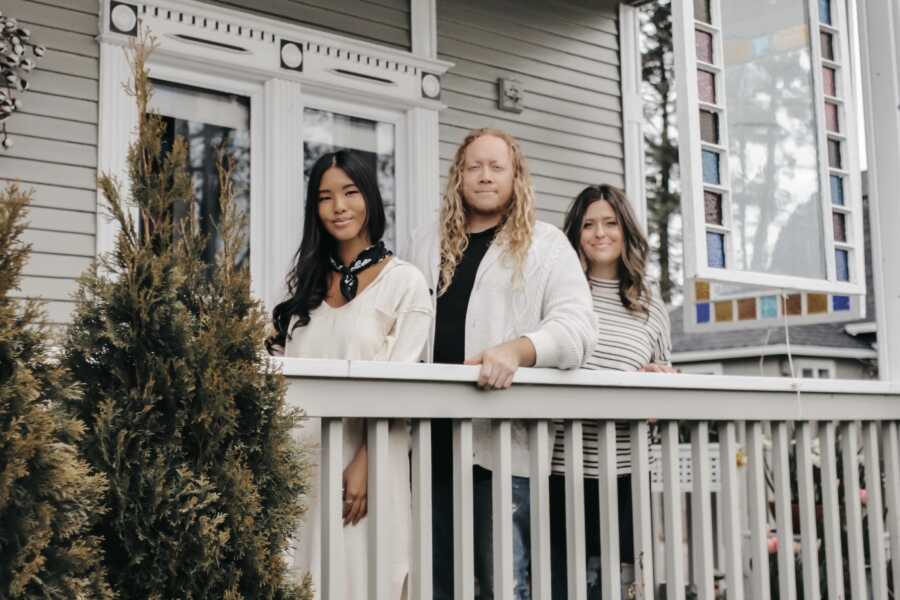
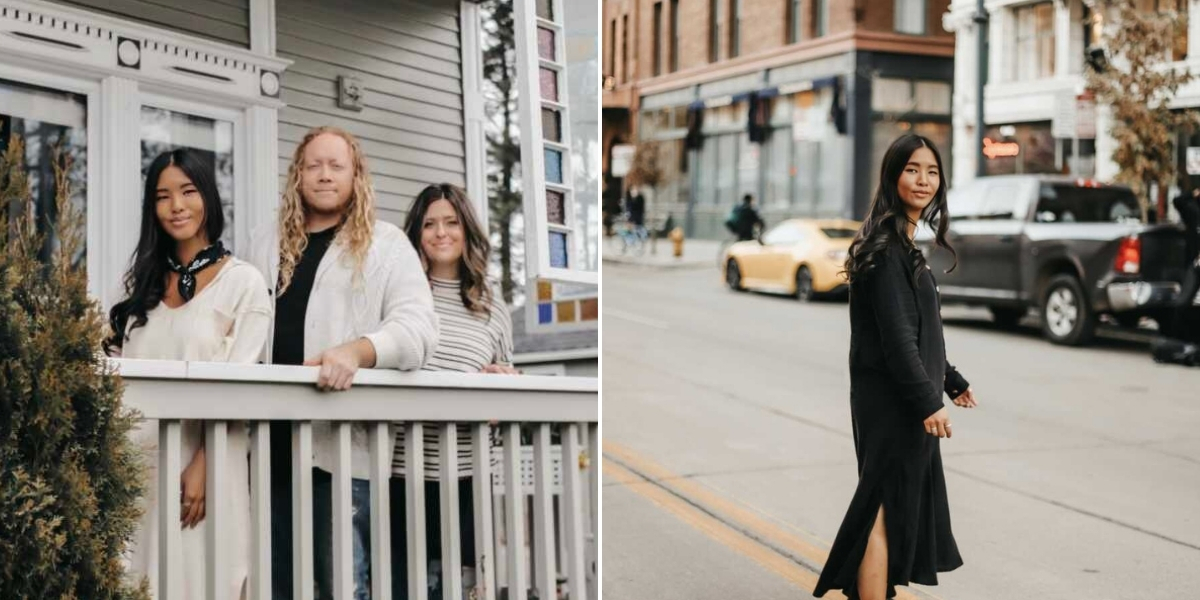
In 2012, two of these adults appeared as the new worship pastors at the church my foster parents attended. At first, I refused to meet them, weary from countless adults entering and leaving my life. But unlike anyone before, they persisted with patience and consistency. Month by month, they created memories, nurtured healing, and accepted me exactly as I was. They offered me a room during my final college year and were the faces I sought as I walked across the stage at graduation. For the first time, I truly understood what it felt like to be “home.”
In 2017, we moved to Washington, and our bond deepened. They assured me they would always be whoever I needed in my life and reminded me repeatedly that I had a permanent place at their table. Over time, the longing in my heart to be adopted resurfaced with undeniable clarity—I knew, without question, they were meant to be my parents.
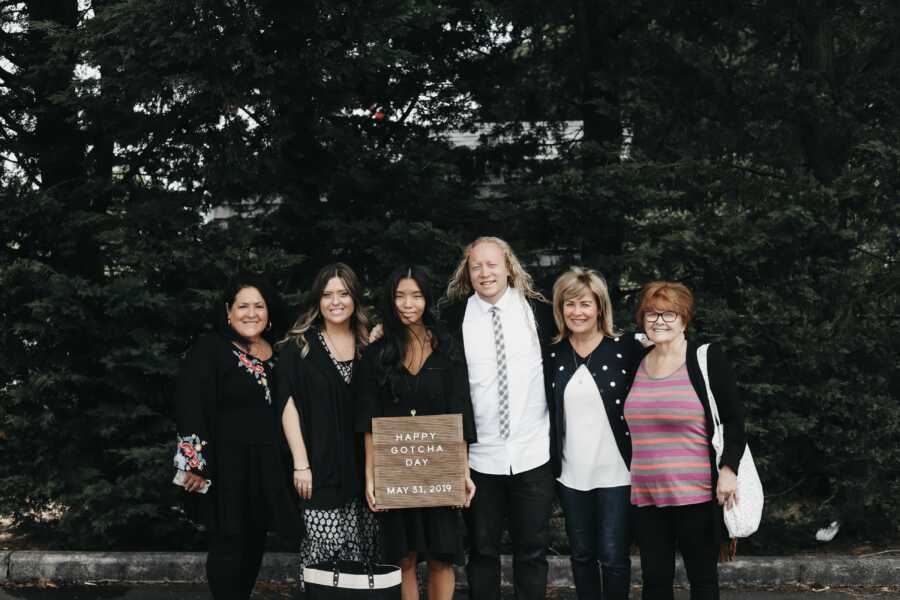
On May 31, 2019, I was adopted as an adult in a local courthouse, a building that once served as an orphanage. I walked in with no parents and walked out as the daughter of the only mom and dad I could have ever imagined—a story only God could have orchestrated. Words I had been denied for decades, “mom” and “dad,” finally entered my life at age 26, bringing a profound healing to my soul.
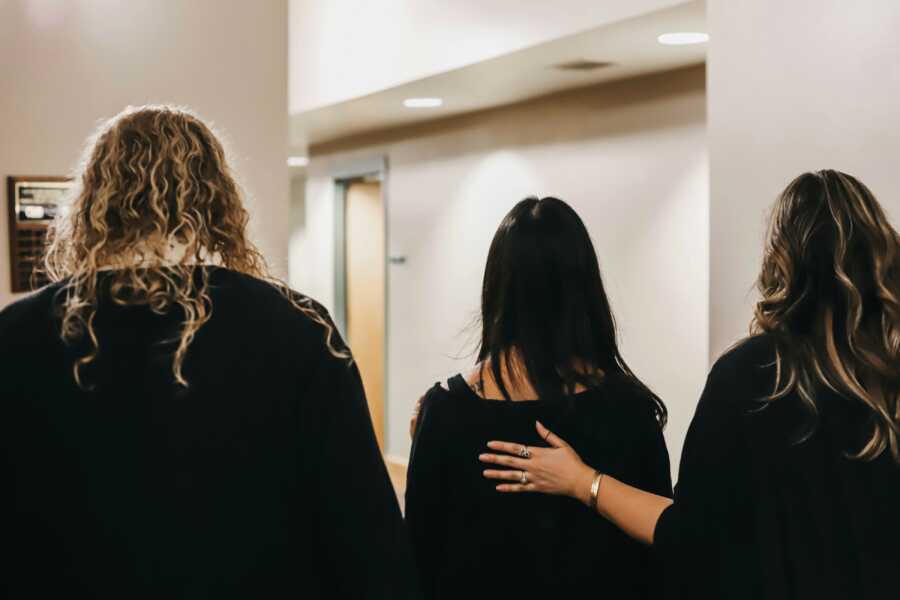
The need for family and belonging never truly fades. It has taken years to find my voice, to understand that I can speak up, and to advocate for others. The scars on my body are visible, but the ones inside required intentional work: regulating my emotions, understanding trauma’s impact on the nervous system, and relearning how to live in health and wholeness. Healing from a traumatic childhood is the hardest journey I’ve faced, yet it is made possible through the unconditional love and endless grace of my parents, who remain steadfast by my side.
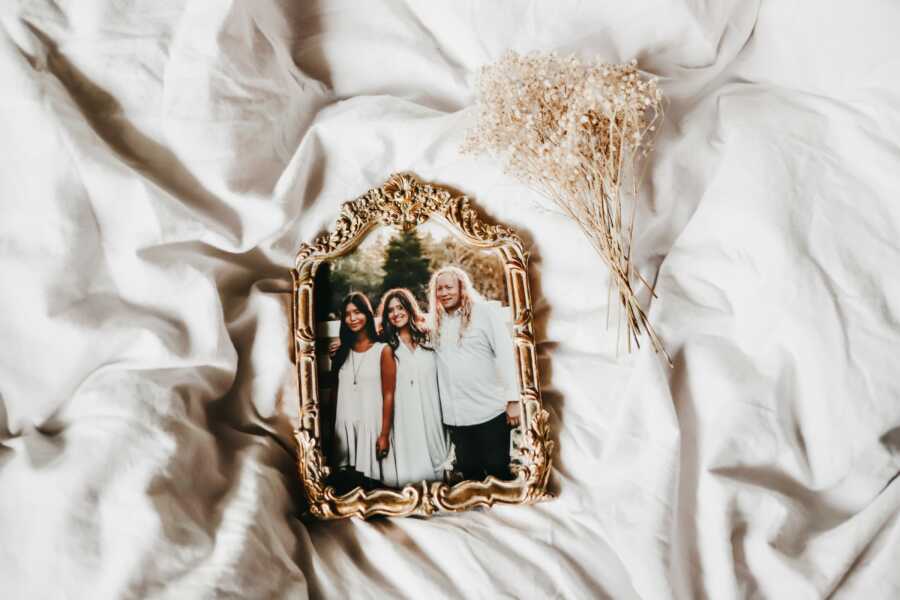
Being adopted at 26 built a foundation that changed everything. Daily, memories are formed that fill the empty spaces of my past, reinforcing permanency, stability, healing, belonging, and identity. I now know the truth: over 120,000 children and youth in our nation are still waiting for families. They live among us—in our neighborhoods, cities, and communities—and they need caring adults willing to step in, just as so many stepped in for me.
I share my story because every child deserves a safe home. I share because foster families and adopters can change lives. I share because vulnerable children need more tables, higher fences, and adults who will show up and stay. And I share because if just one person reads this and is moved to care, then the vulnerability, the boldness, and the raw emotion it cost me to write will have been worth it.