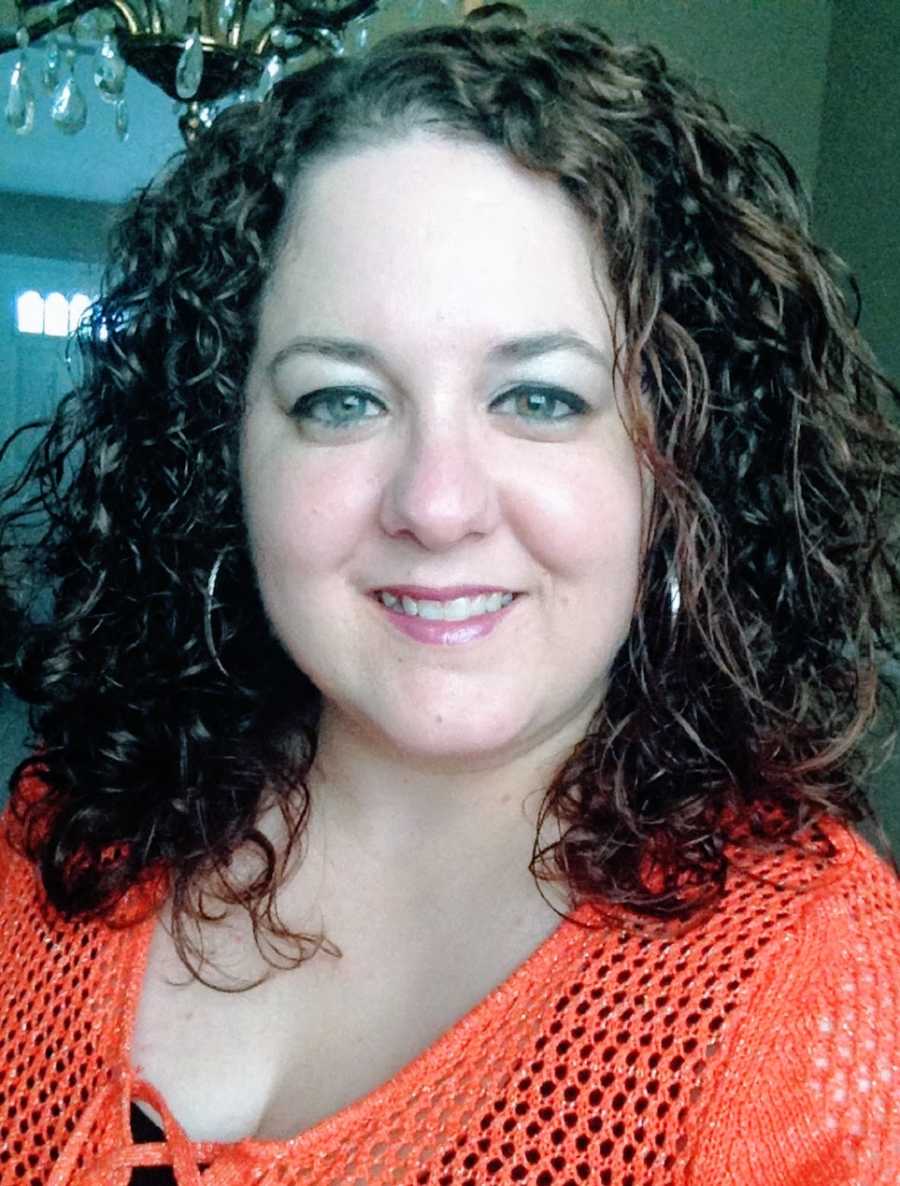
Disclaimer: This story contains details of suicide and depression that may be triggering to some.
We were born in 1978 — identical twin daughters to Sam and Debby — joining our big sister, Suzanne. My dad was convinced at least one of us would be a boy, but instead, he found himself surrounded by three sweet little girls. We grew up in a suburb of Youngstown, Ohio, in a home filled with routine, laughter, and love. Our parents worked hard — Dad was a mailman and Mom a teacher — and they somehow managed to give us exactly what we needed, along with just enough extra to feel special.
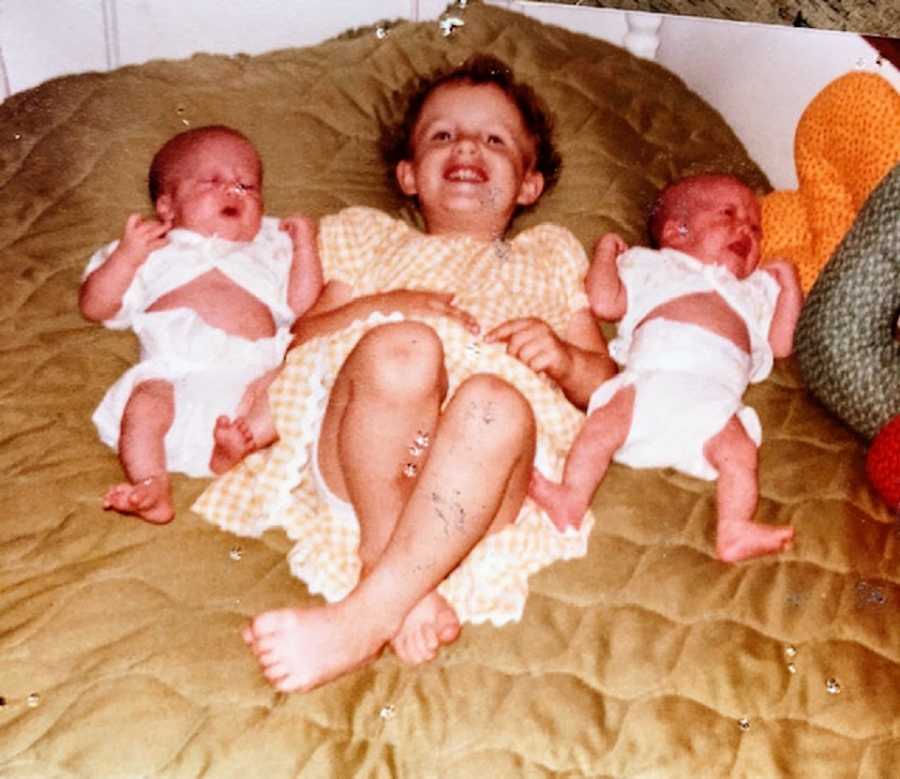
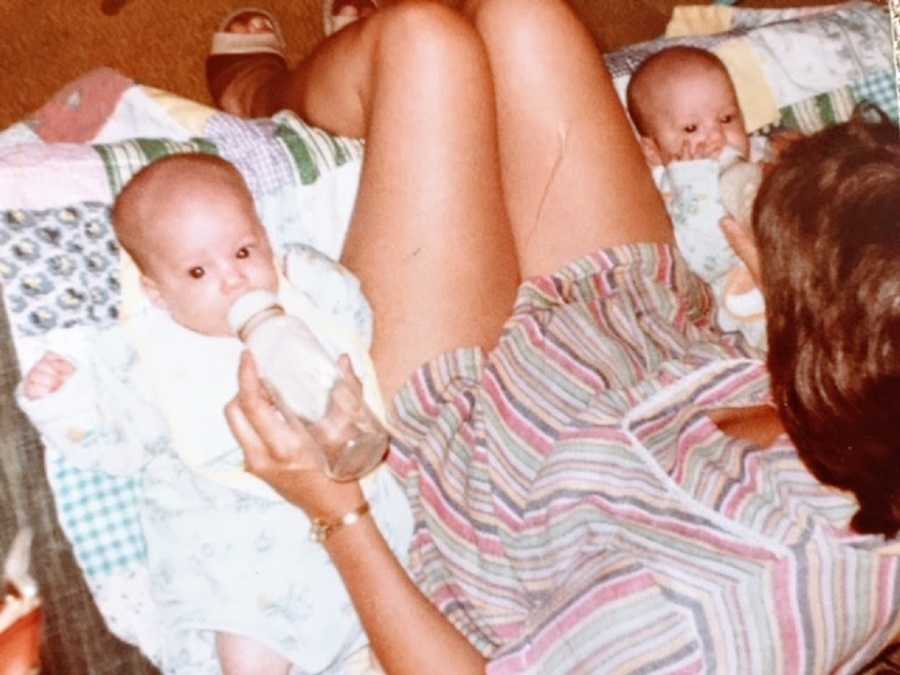
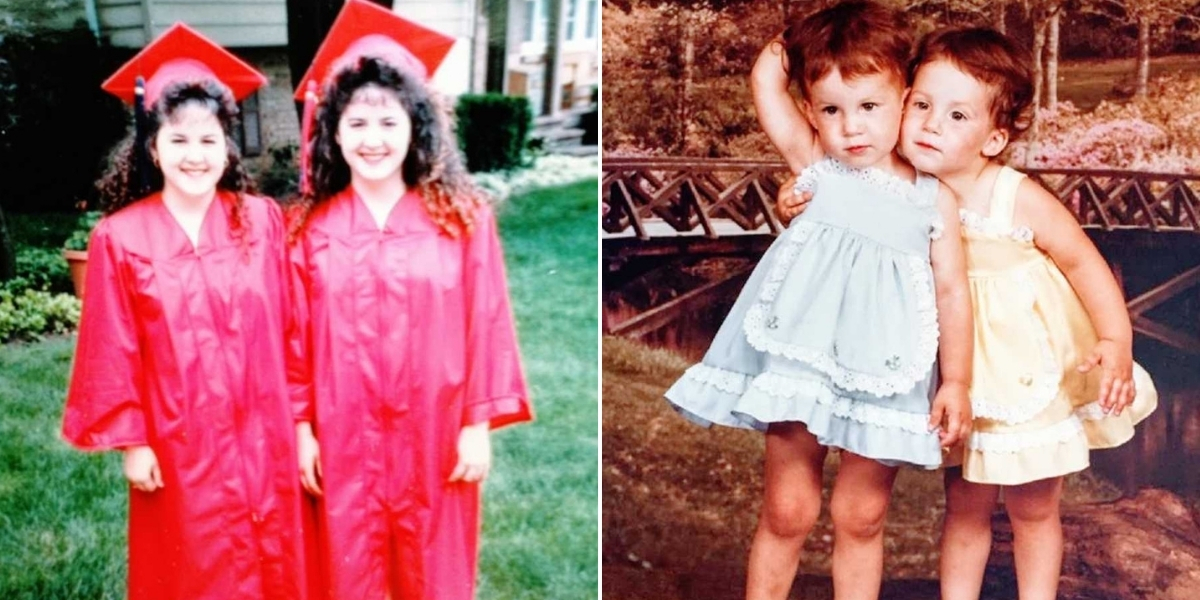
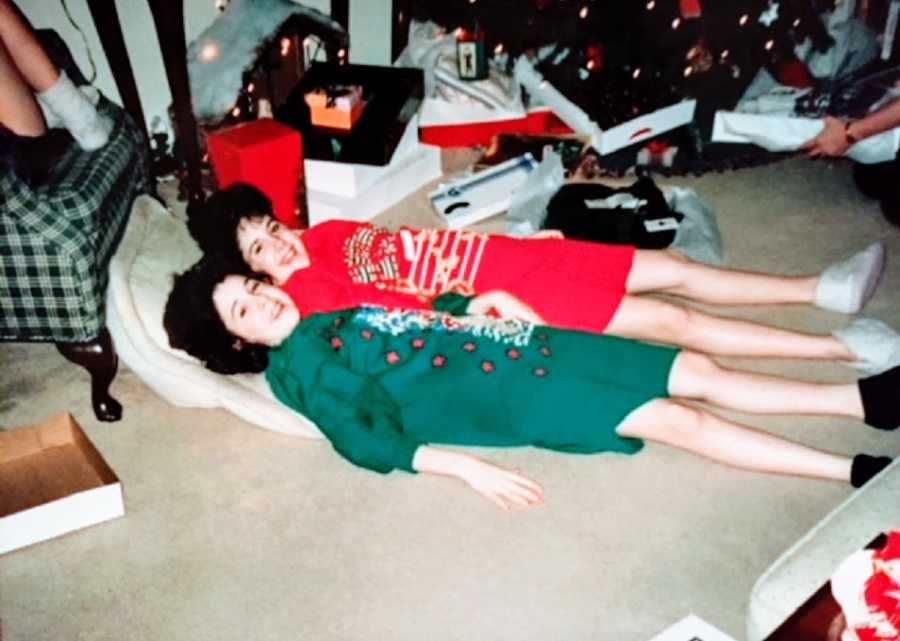
From the very beginning, Nicole and I were inseparable. We had separate beds and cribs, but always shared a room — even into college. Some of my favorite memories are of us whispering and giggling long after bedtime, Mom calling from the living room, “Girls, go to sleep!” Being twins meant never doing life alone. Someone was always there — to button your church dress, to hug you when you cried, to sit beside you in every new moment. People adored “the twins with the curly brown hair,” and we leaned into the magic of it — even switching seats in class to confuse our teachers.
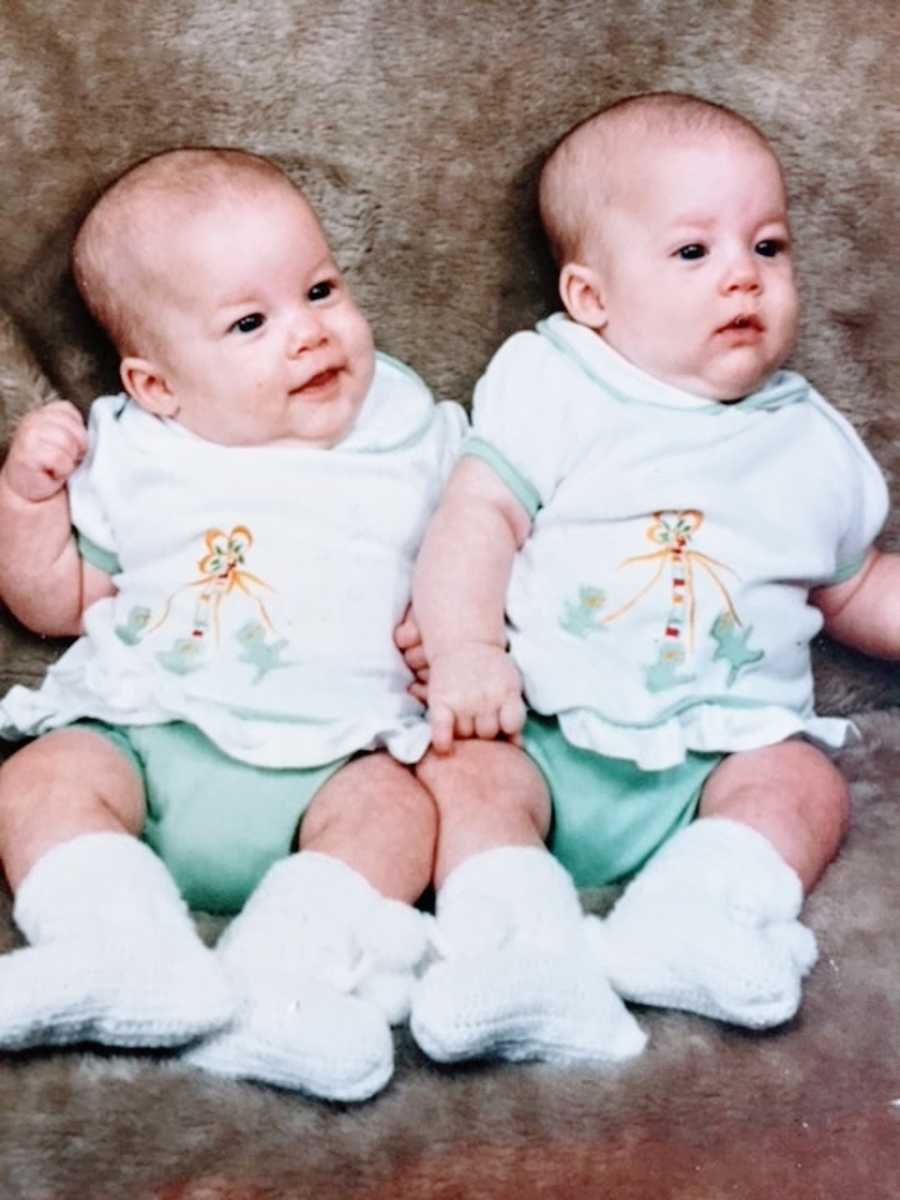
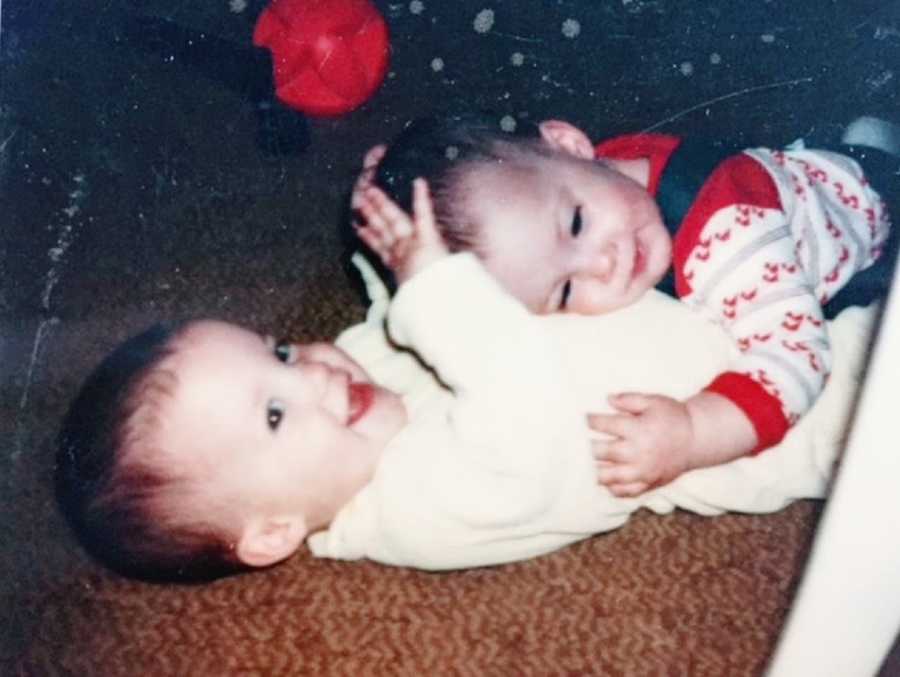
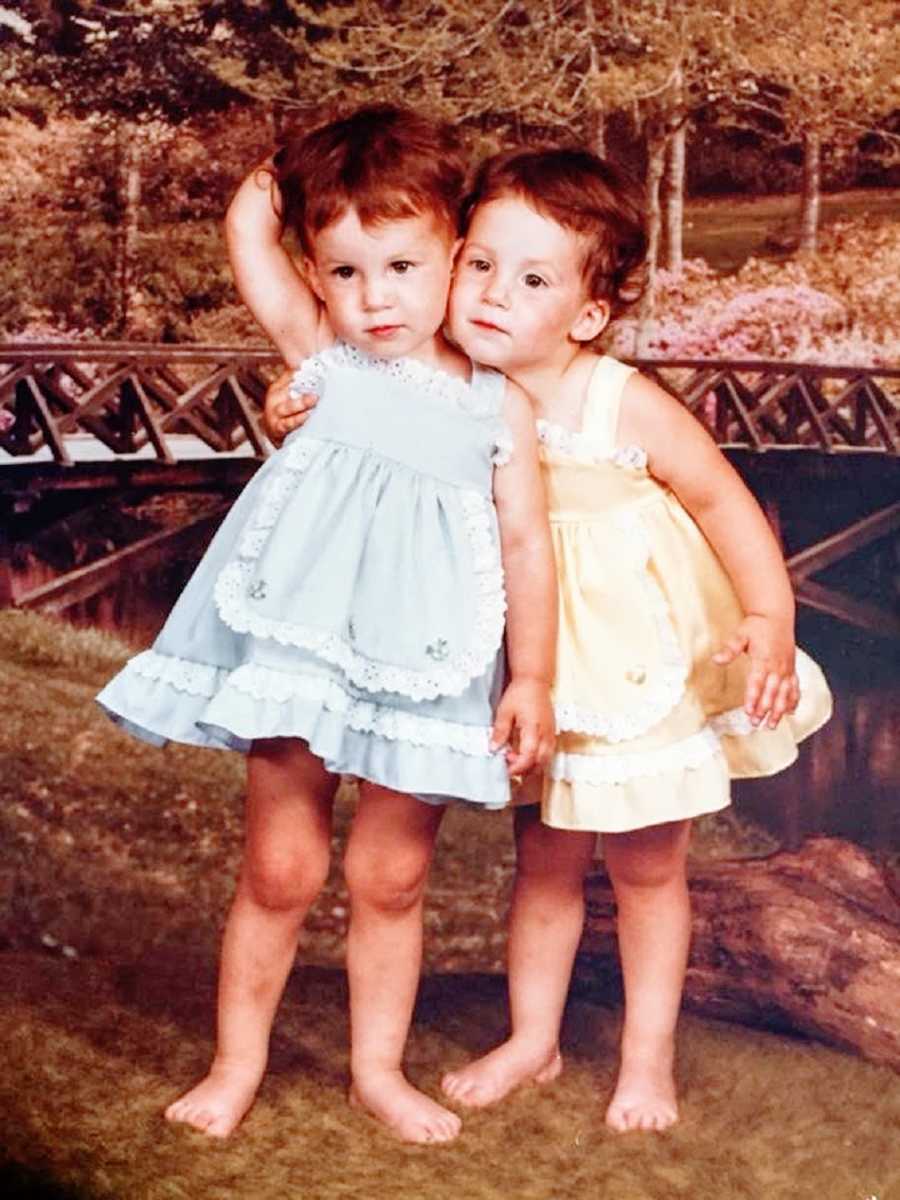
Music tied us together even more. We discovered Karen Carpenter early on and spent hours listening to our parents’ records, harmonizing together. In middle school, Nicky played French horn, and I chose the oboe — still singing at home whenever we could. By seventh grade, Nicky also became a cheerleader. Her confidence amazed me: the dancing, the smiling, the rhythm — all things I could never picture myself doing. In high school, we stayed busy with band, flag line, and our “twin jobs” at a local gas station.
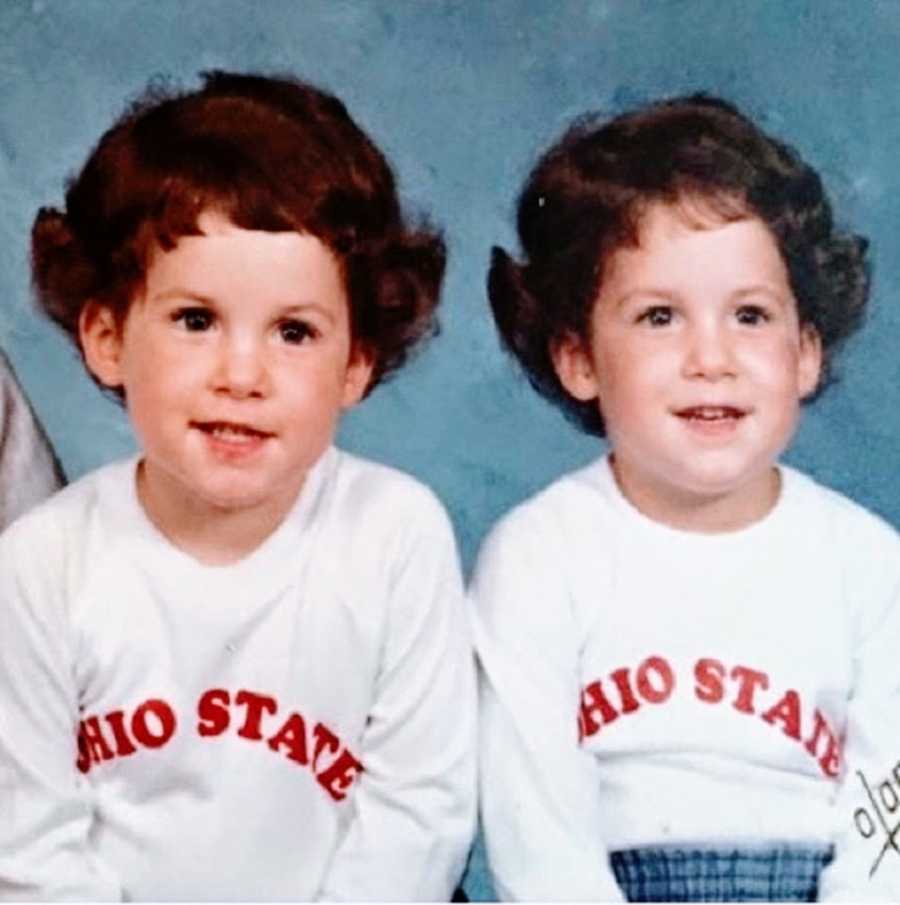
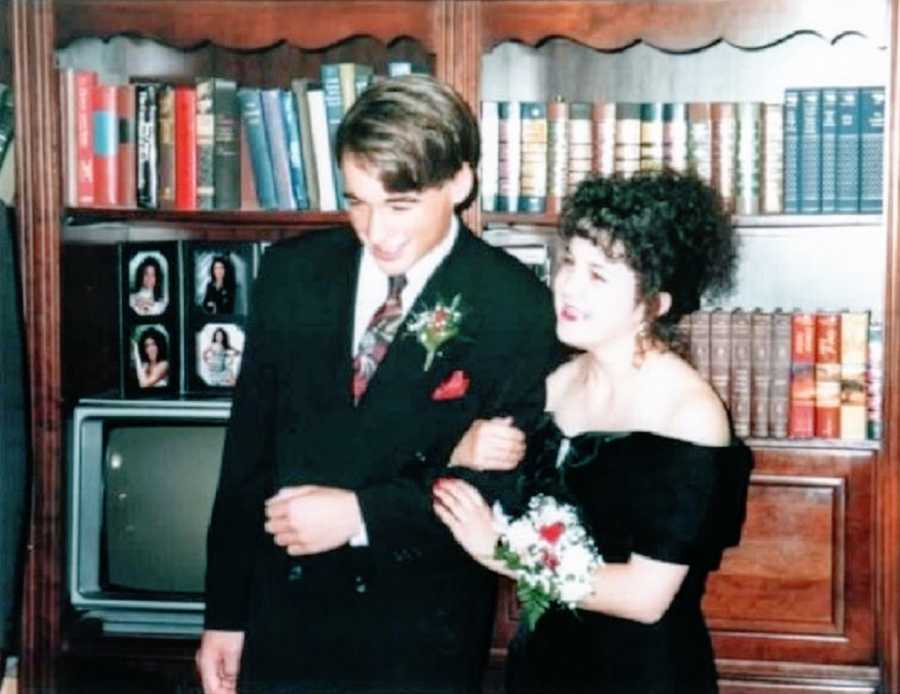
After graduation, we stayed close while slowly carving out our separate lives. College, work, boyfriends, and long coffee talks filled our days. Nicky landed a full-time 911 dispatcher job, got engaged, and married by 2003. She was the organized one — financially steady, responsible, always seeming to know what came next. I loved her deeply and, at times, quietly envied how “together” she appeared. When she went through infertility treatments, we prayed and waited, and in 2006, she became pregnant. Before her baby was even born, I felt a bond forming — almost like my own child.
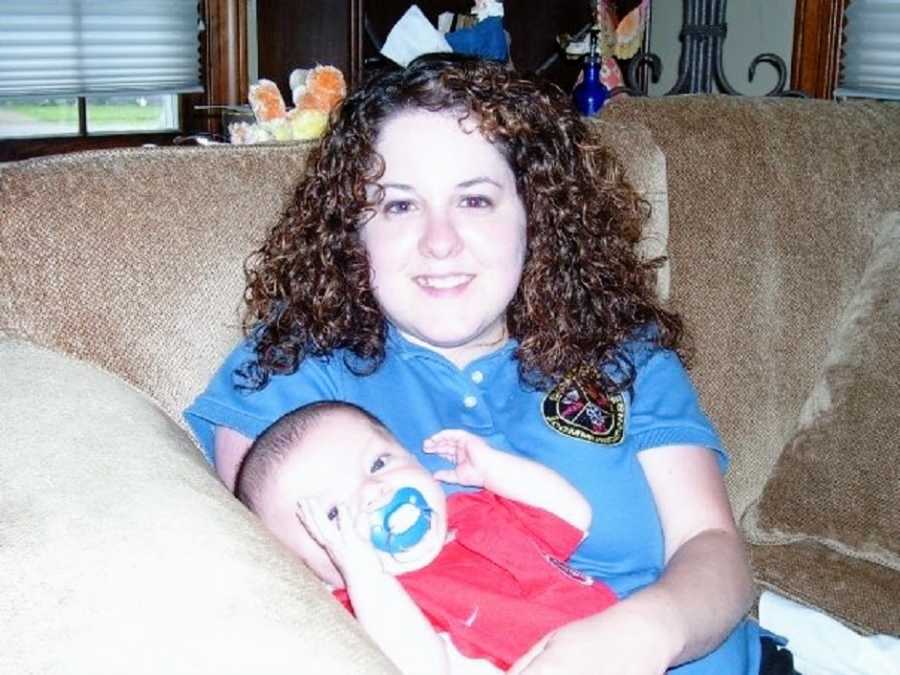
When her son arrived, I fell instantly in love. As identical twins, our children share genetics similar to half-siblings, and the connection felt real. But just weeks after his birth, everything changed. Nicky became consumed by crippling anxiety and depression, terrified and overwhelmed, and was eventually diagnosed with postpartum psychosis — the most severe form of postpartum depression. She was hospitalized three times after suicide attempts. Those six weeks were the first time in my life that I felt like I didn’t know my twin.
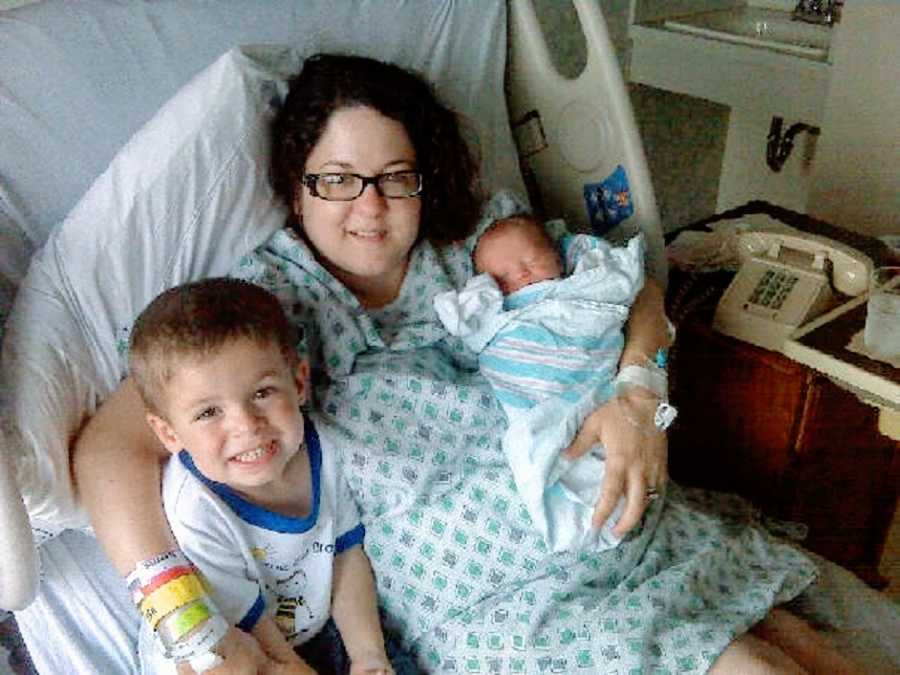
Slowly, with therapy and medication, she improved — enough to welcome her daughter in 2009. The postpartum depression returned, though milder, but afterward she never truly returned to who she had been. Her marriage ended in 2012, and life began to unravel more quietly. Physical problems appeared, tangled with her emotional struggles. She started misusing prescribed medications — sometimes even ordering them online — searching for anything that dulled the pain. We worried constantly, staying close, watching the kids, trying to keep her safe.
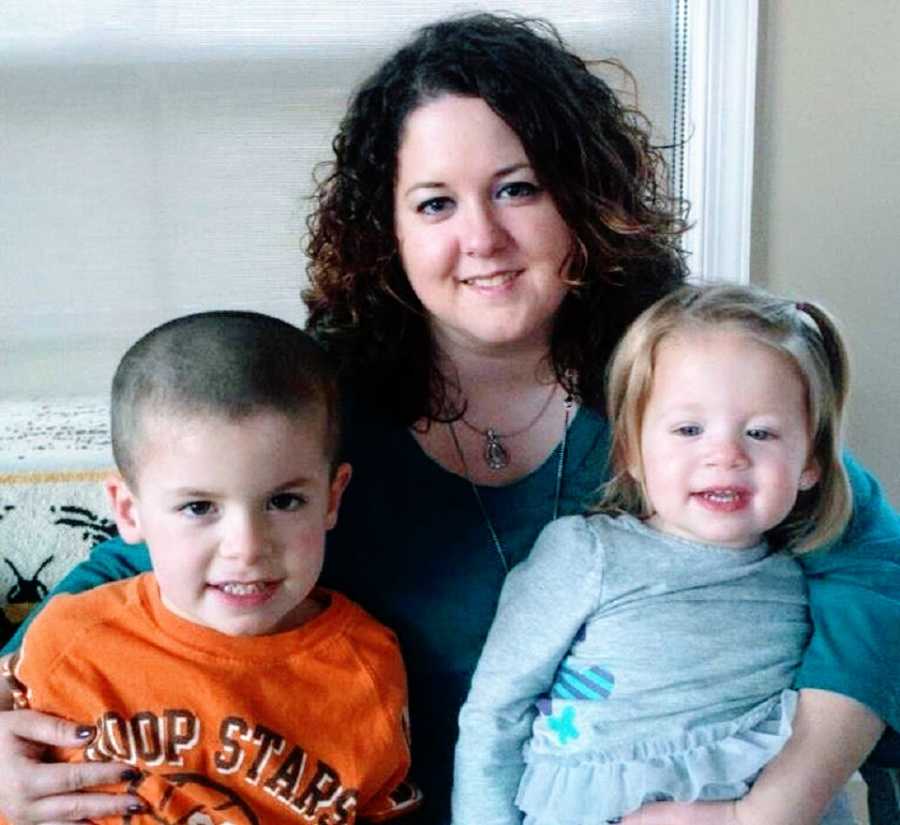
After 16 years, she lost the dispatcher job she once excelled at. She was too exhausted to fight for it. Without a degree, she pieced together medical scheduling jobs while sharing custody of the kids. Eventually, she was diagnosed with bipolar II — believed to have been triggered by the trauma of postpartum psychosis. The doctor’s words made heartbreaking sense. The bright, confident twin I remembered was slowly replaced by someone fragile — craving acceptance, reassurance, and pills that promised relief. Counseling never stuck; medication always felt easier.
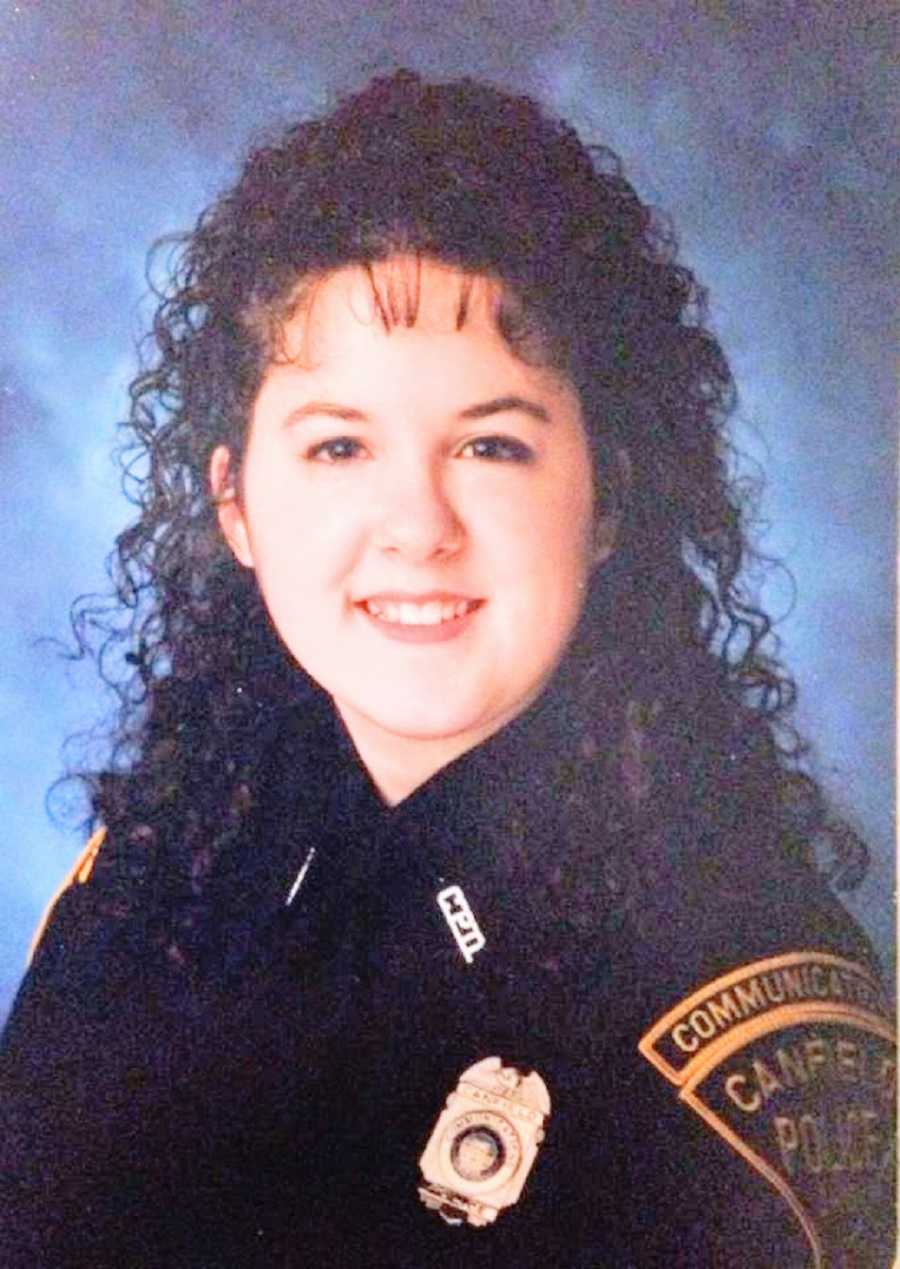
By 2018, things were complicated. She saw a psychiatrist who prescribed far too much, and the kids spent more time with their dad. She was engaged, working at an ophthalmology group, and still trying to hang on. Meanwhile, I was finishing my Master of Science in Nursing, raising my son, and moving toward becoming a nurse practitioner. We still met for coffee, dinners, and Lake Erie sunsets. She adored my little boy, Luke. But her illness was heavy, and I often fought my own quiet waves of sadness while pushing through school and work.
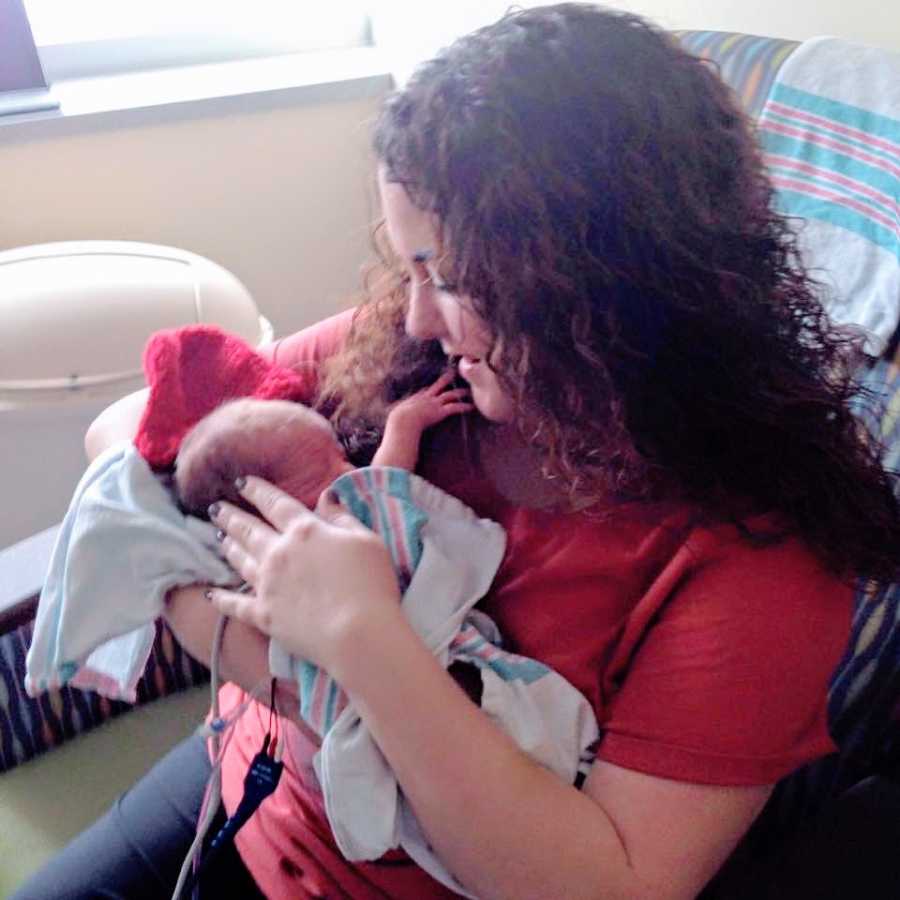
On July 26, 2018, after a long shift and a busy day with my son, I fell asleep studying. Just after midnight, my phone rang. It was Nicky — crying, panicked, and convinced she couldn’t keep living. She said she felt like a burden. She told me goodbye. I tried to calm her, but she wouldn’t say where she was. Exhausted, afraid, and unsure whether this was another cry for help like before, I stayed on the phone as long as I could. When I finally snapped in frustration, she hung up. The last text she sent said, “Email soon.”
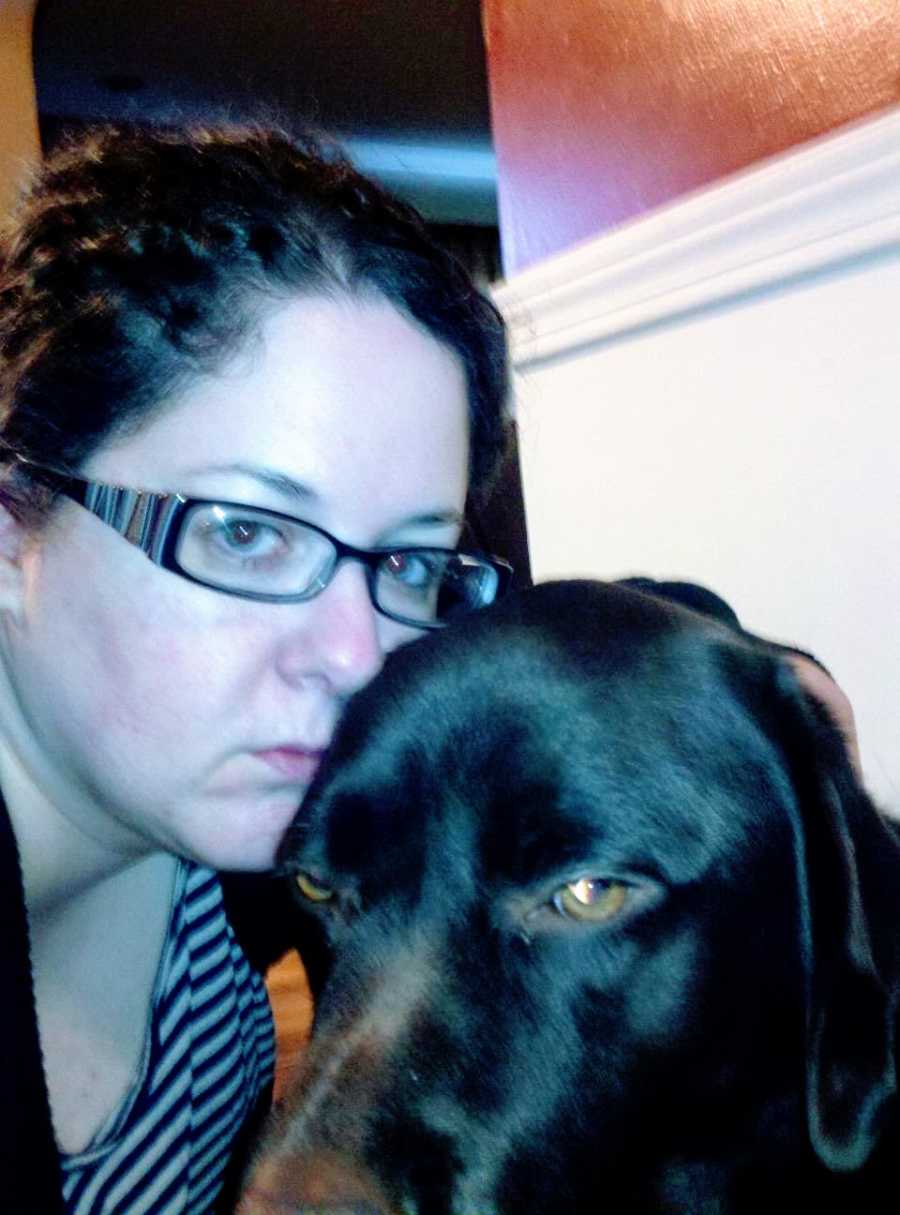
Minutes later, the email arrived: she was about to jump off the Market Street Bridge. I called emergency services immediately. Someone had already reported it. I arranged childcare, called my mom, and headed out. Police told us to come to the station. Driving over that bridge, seeing her car, I knew — even before they said the words — my twin was gone.
Shock settled in first. Guilt followed. I replayed the call. I replayed everything. We had to tell her children, ages 12 and 9. My nephew wrapped his arms around me, and I held him as tightly as I could. The next morning, the reality crashed over me: my other half was gone. The funeral was full — proof she was deeply loved. I delivered her eulogy, because no one knew her like I did. For weeks, I visited her grave daily, finishing my internship and slowly understanding she had been planning her death for some time.
Life continued — painfully, imperfectly. My son grew, I passed my nurse practitioner exam, and I eventually met someone who brought warmth back into my world. I stay close to my parents, my older sister, and especially to Nicky’s kids — who have good lives, yet still ache for their mom. She struggled deeply, but she also gave this world two beautiful human beings. That remains one of her greatest gifts.
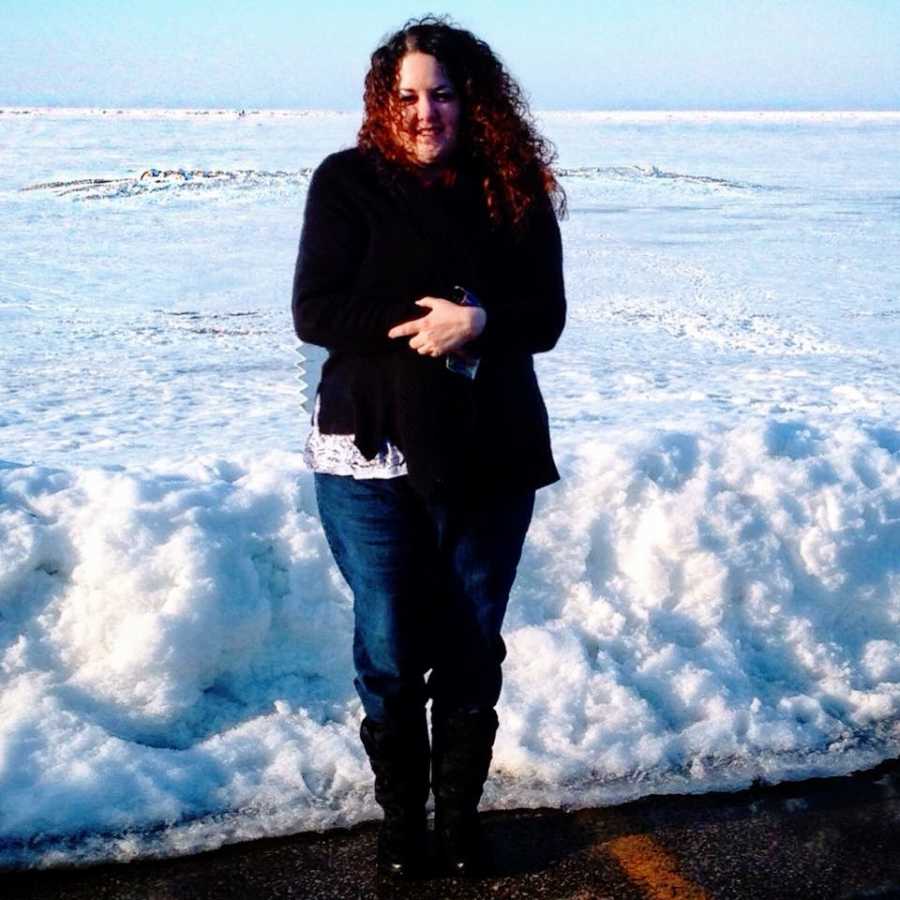
Living with someone battling mental illness teaches you this: it truly is an illness. Brains change. Chemicals shift. Love them, support them, and know that guilt after loss often means you cared more than words could say. Grief arrives in waves — some days bearable, some suffocating — but eventually it becomes a steady current that flows beside your life.
It’s been years now, and I still think of her daily. Sometimes she shows up in dreams, sometimes in little signs only I would recognize. I move forward, but a soft gray cloud follows — a reminder of what was and what will never be again. I’ve dedicated myself to breaking the stigma surrounding mental illness, postpartum struggles, and suicide — because remembering her, and speaking openly, keeps her spirit alive.
I will always miss my twin. I will always love her. And I will never stop telling her story.