Everyone always tells you, “Nothing can prepare you for motherhood,” or, “Motherhood is the hardest thing you’ll ever do in life.”
And it’s true. From the first backaches of pregnancy to sleepless nights filled with endless crying, nothing compares to the sheer intensity of it all.
Nothing could have truly prepared me for motherhood. Especially not when I stared down at two lines on a pregnancy test at 19.

The mental rollercoaster that followed caught me completely off guard. It didn’t end with pregnancy—it clung to me, followed me into motherhood, and in some ways, it still does.
I always knew I wanted to be a mom. I can remember as a little girl picturing my future. Of course, somewhere in that daydream I was a famous movie star, but first and foremost, I dreamed of becoming a mother. I was incredibly lucky to grow up with a mom who could stay home with us, giving me that rare experience of constant love and presence. I knew then that I wanted to give that same gift to my children.
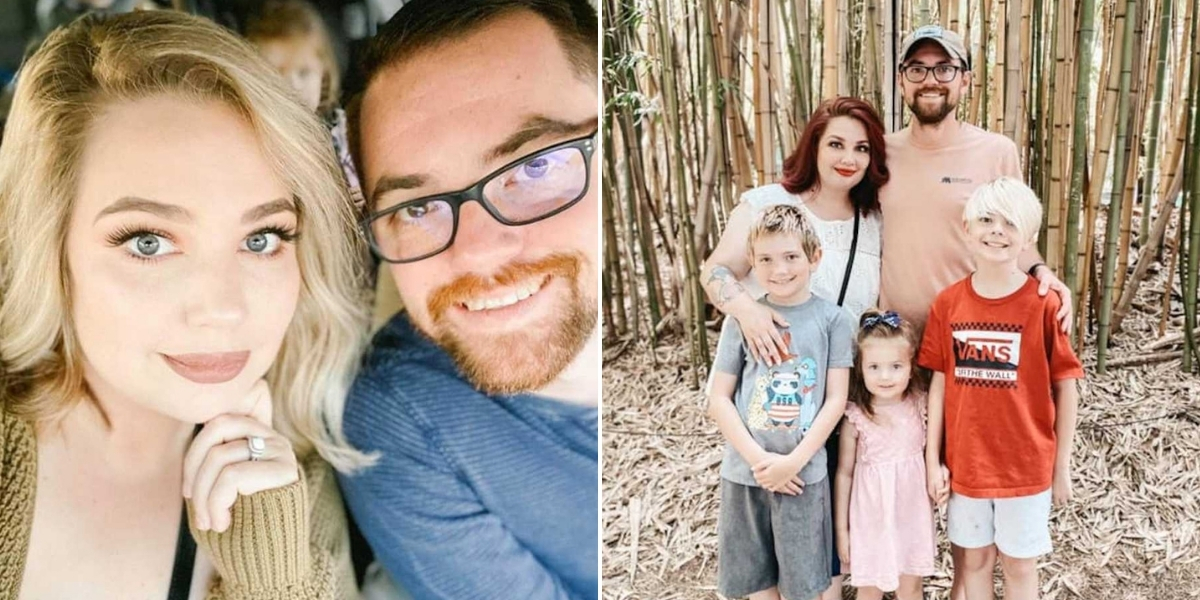
One of the first things my husband and I discussed as our relationship deepened was our shared desire to have children. I was a senior in high school, passionate about theater, and he was the swoon-worthy ROTC college boy, texting me from helicopters—a detail that definitely made my heart flutter. We fell in love fast. I followed him to his college town, balancing part-time classes with a full-time job as a daycare teacher.
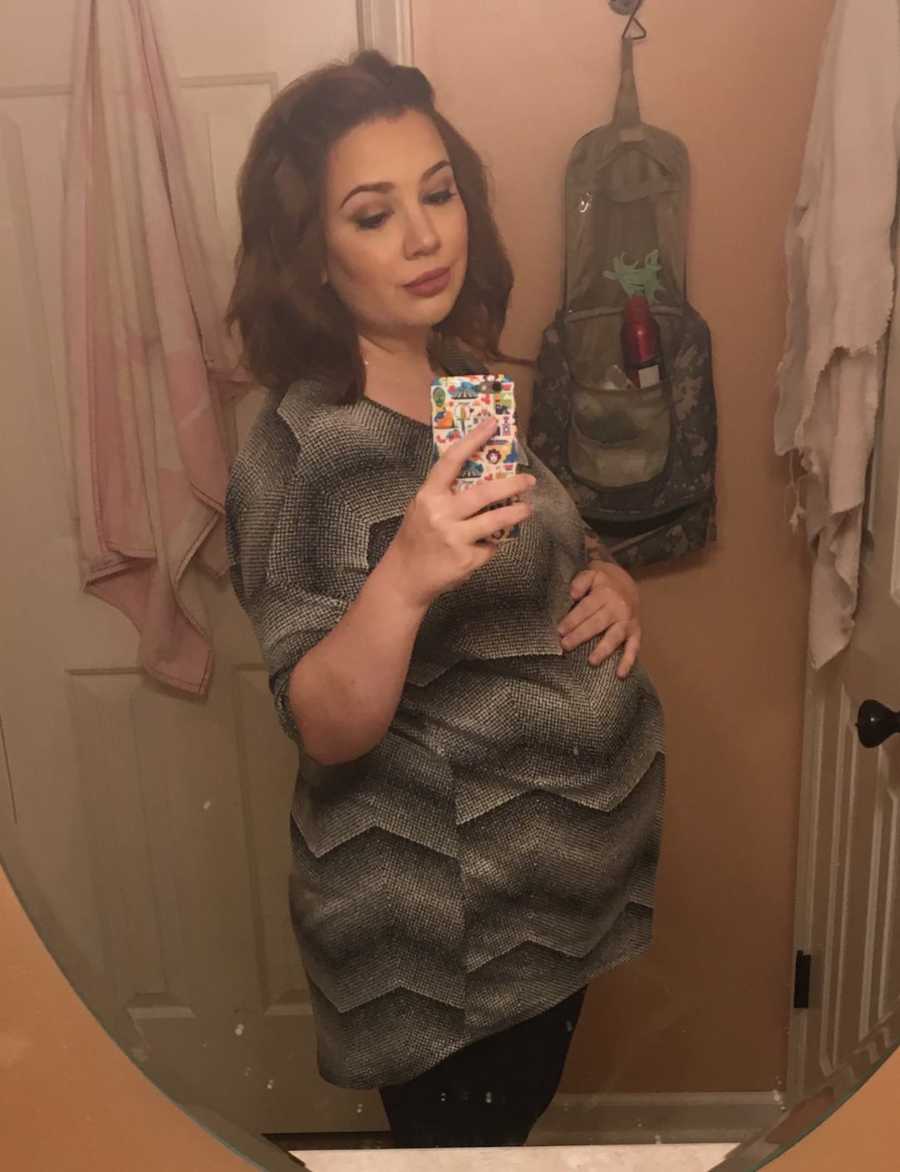
A year later, the pregnancy test confirmed the news: we were expecting. Were we terrified? Absolutely. But our fear soon transformed into excitement, buoyed by the unwavering support of both our families.
My pregnancy with our first son was smooth and picture-perfect. Then he arrived, and shortly after, my husband shipped off to Basic Training and AIT. Just five months postpartum, life threw me another curveball: I was pregnant again. The shock was overwhelming, and at 21, the thought of raising two babies just 14 months apart felt terrifying.
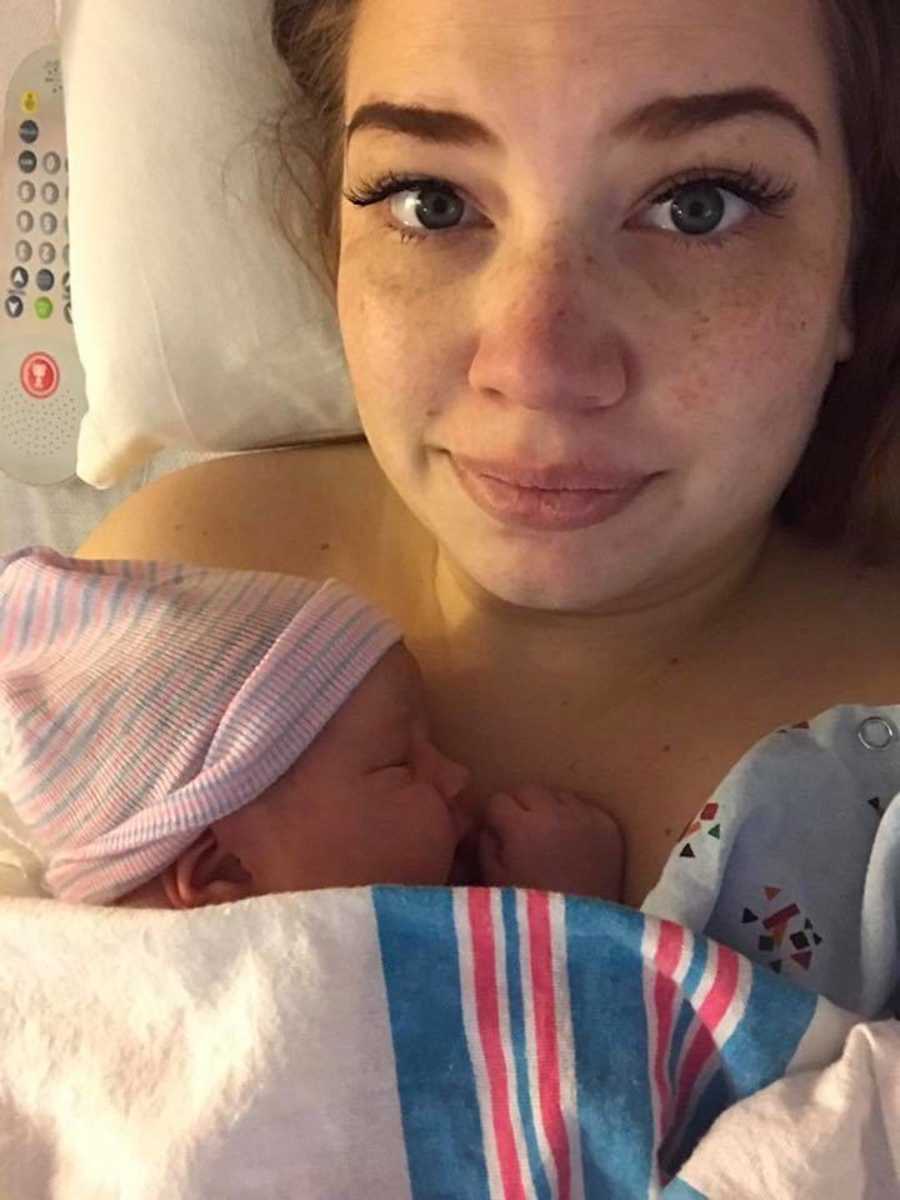
Welcoming our second son brought complications. I developed a blood clot in my leg following the C-section, requiring intensive care. Beneath the physical challenges, postpartum depression arrived like a lightning bolt. I barely remember the first six months of my second son’s life—a void that still feels devastating. Medications initially offered little relief, leaving me drained and trapped, like my head was in the clouds while weighted underwater. Eventually, I found medication that worked, pulling me out of the darkness.
We moved into our first little house in the country, and life with our two Irish twins was chaotic, yet filled with joy.
Fast forward five years, and we were preparing for our daughter. This pregnancy was far from easy. I was frequently hospitalized due to kidney issues, the flu, or pneumonia—nothing was simple. Her birth was traumatic, complicated by significant blood loss and, weeks later, the discovery of another, life-threatening clot in my femoral artery. I was rushed into surgery, spent time in the ICU, and learned I had a serious blood disorder. Breastfeeding was no longer an option, and I relied on a walker for my first week at home. The physical trauma alone was enough, but depression soon knocked on my shoulder, ready to take its place.
Depression doesn’t care about timing or circumstance. It doesn’t pause because you have other crises demanding attention. I think of it as its own entity—it’s not me, and it doesn’t have forever control. Along with depression came anxiety. Resources abound for the fourth trimester, yet once that phase ends, seeking help can feel taboo.
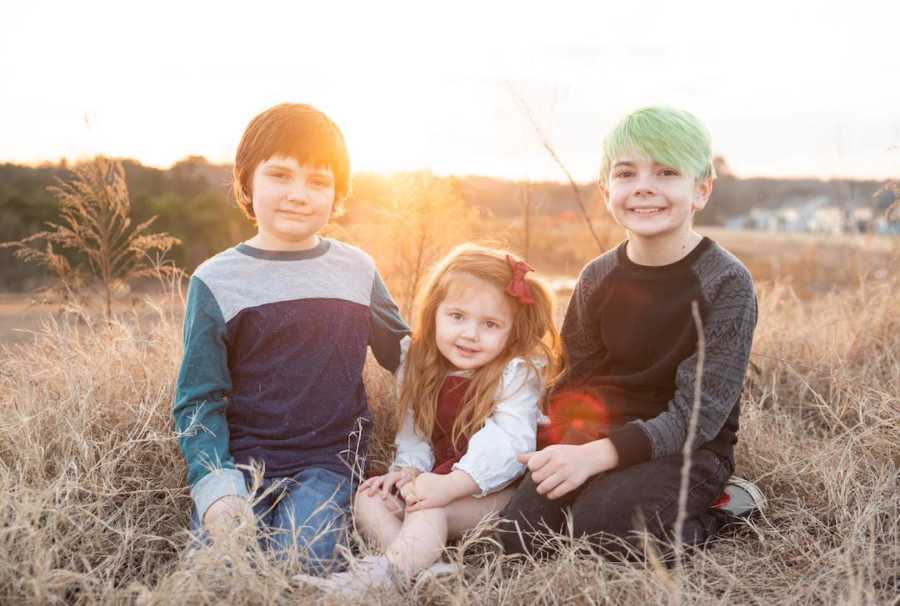
My bed became both sanctuary and prison. Even brushing my teeth or taking a shower felt monumental. Often, the only reason I left my bed was for my children—their needs were the tether that kept me grounded.
Motherhood with depression is painfully isolating. We want to take on the world, to shoulder every hardship for our families—but how can we do that when our own cups are empty? We feel compelled to wear the Wonder Woman shield for everyone else, yet who protects us when we need it most?
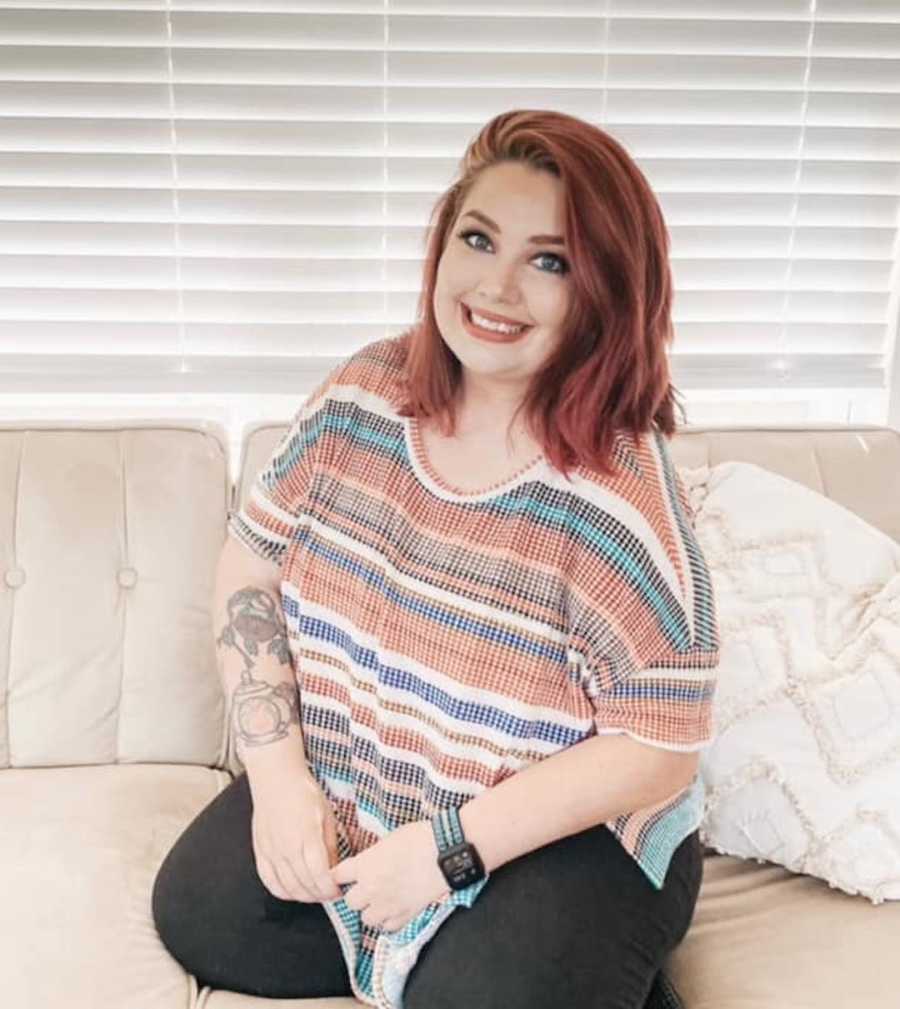
Years of struggle followed, including moments when I had to shut off social media entirely to escape the pressures of appearing “perfect.” And here’s the truth: perfection is a trap, an impossible expectation we set for ourselves.
Medication helped, but the real breakthrough came when I learned to love myself, accept my past, and recognize that depression doesn’t define me. Self-care became my lifeline—mine took the form of exercise, honest and raw time dedicated to myself, fostering a love I hadn’t fully experienced before. Learning to love myself was transformative; it was healing in a way that nothing else had been.
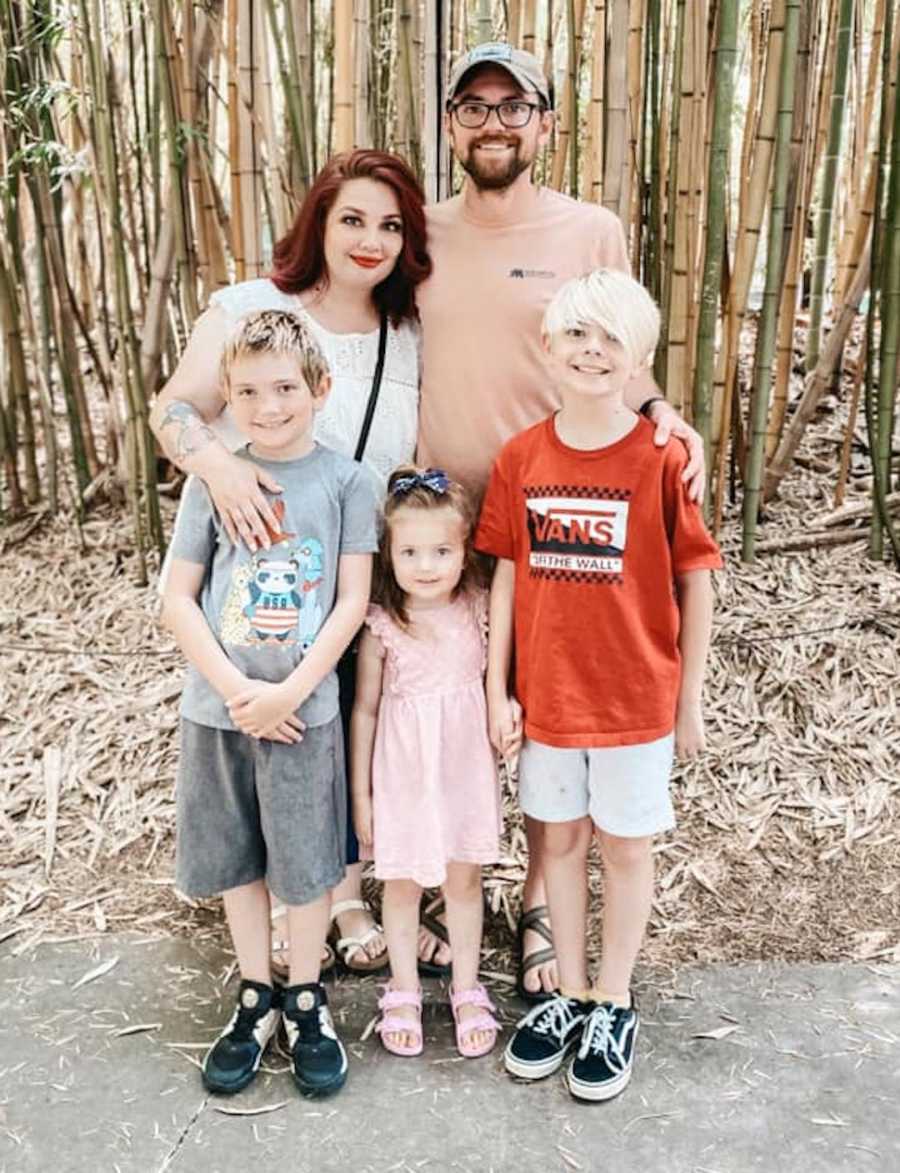
Today, I have the deepest, most fulfilling relationship with my children. Loving myself taught me how to love them fully. And through it all, I want every mother who struggles to know this: you are not alone.