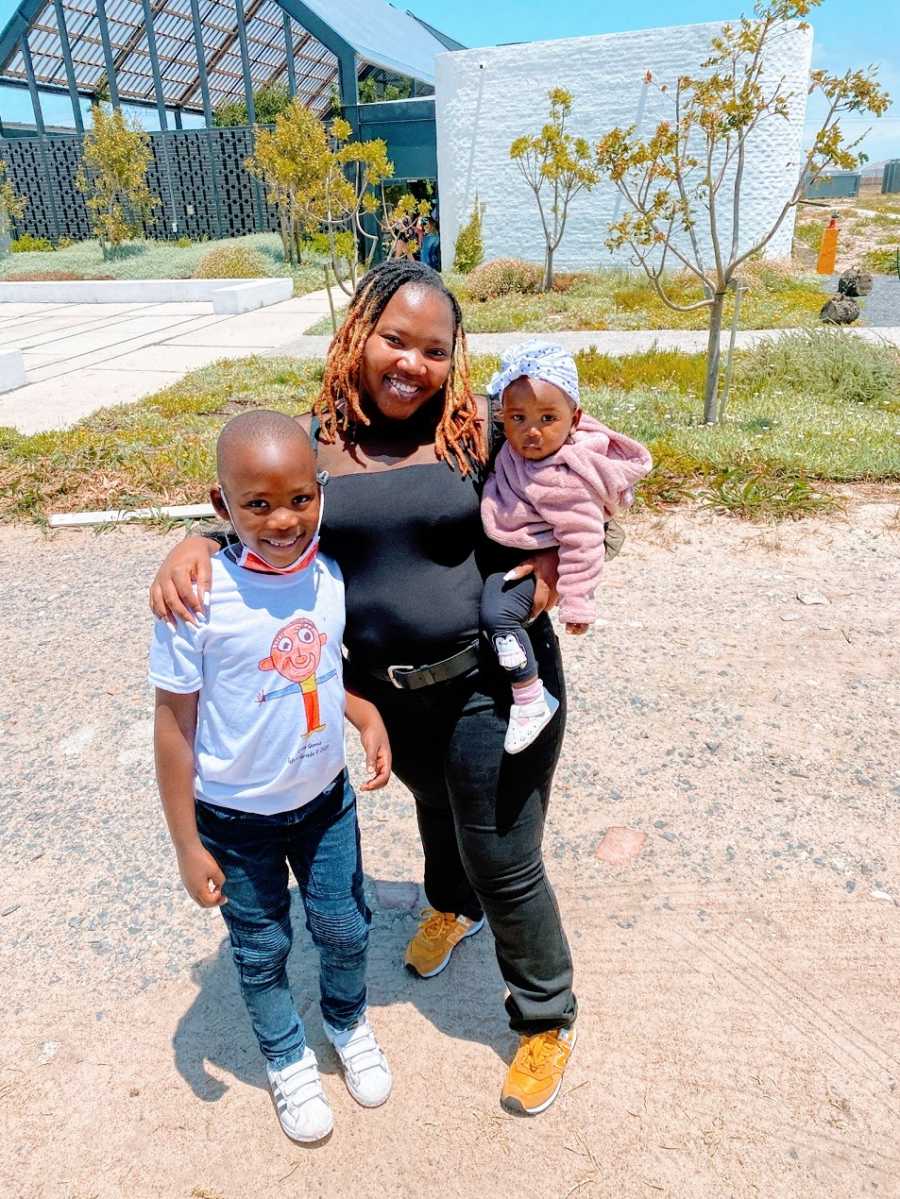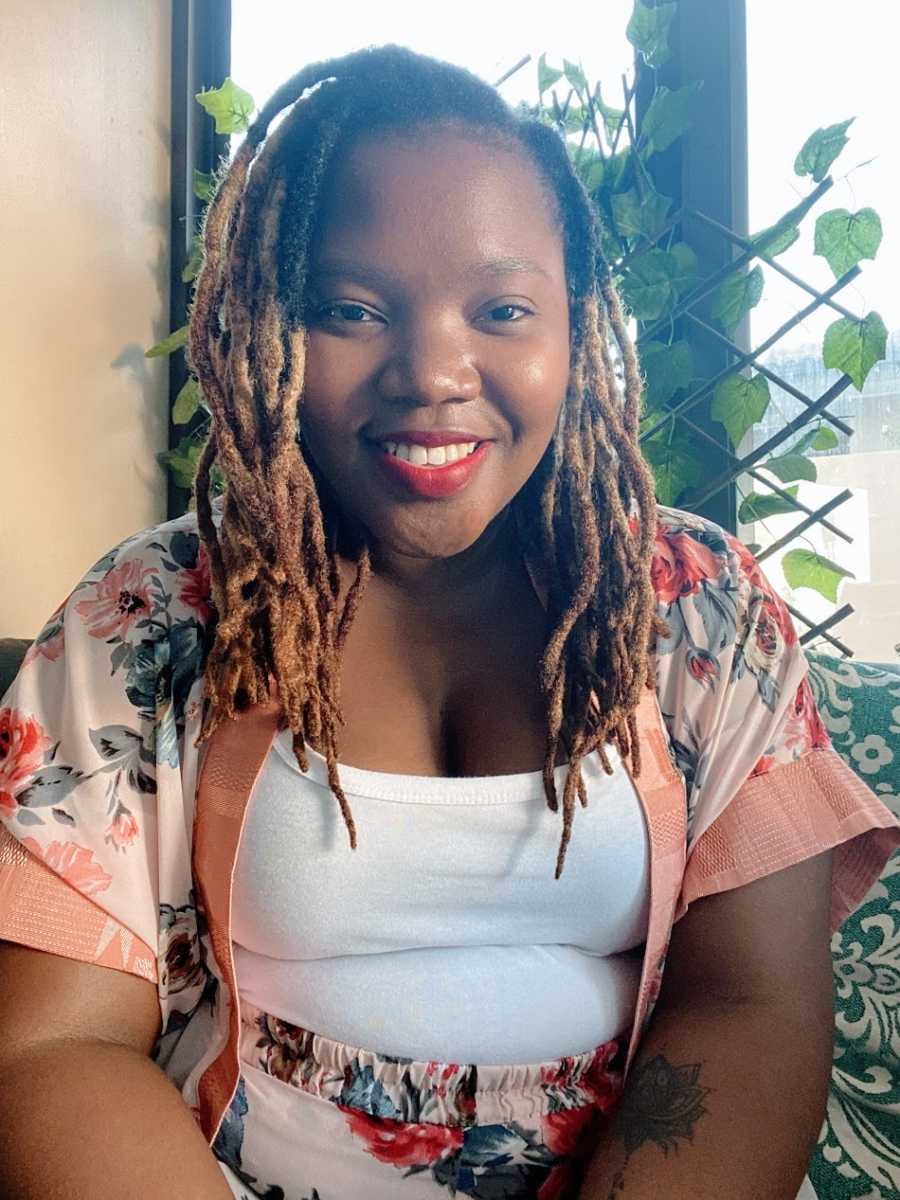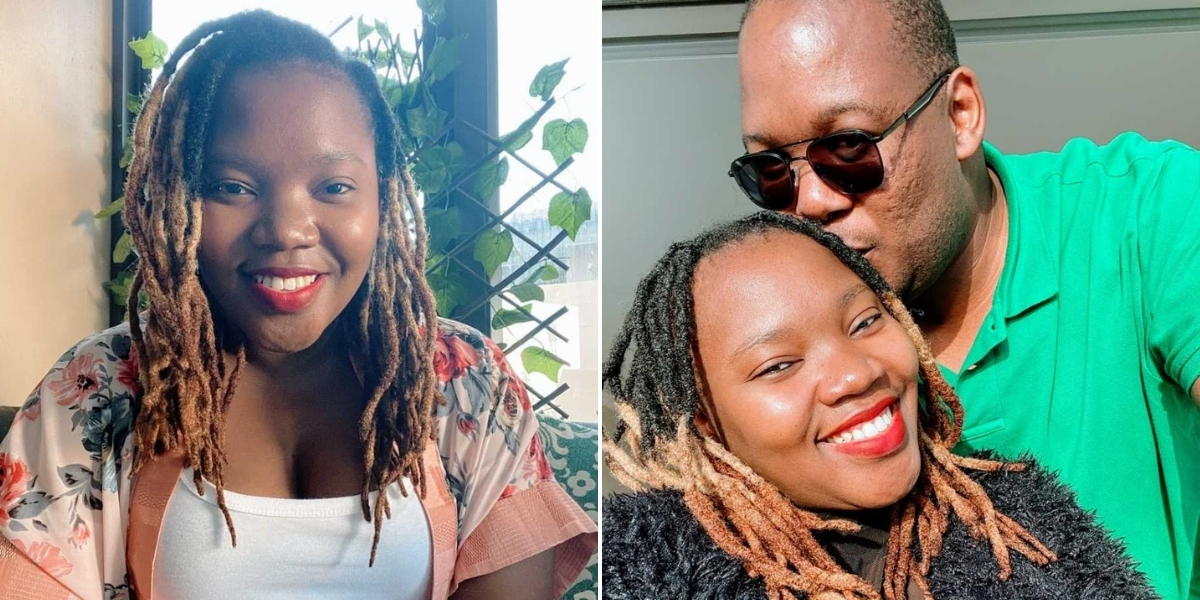
I grew up in Cape Town, South Africa, in a warm and lively family of four — my mother, father, little sister, and our three dogs who seemed to complete the picture. My childhood felt safe and ordinary in the best way. I attended a decent school, had close friends, and believed my life followed the “perfect” script everyone dreams about.
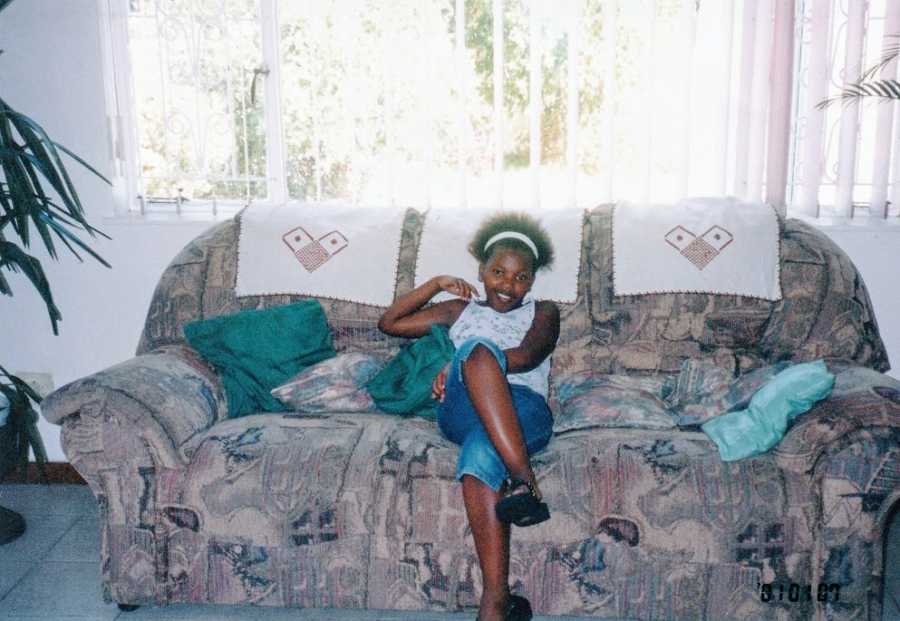
My mom was a determined academic chasing her Ph.D. in Gender and Human Rights. Much of her time was spent buried in books in our study or traveling the world to secure funding. My father worked as a salesman and was often on the road as well. I learned early to behave, to keep quiet, and not add to their stress. They were doing everything they could to give us opportunities they never had.
When I was twelve, everything changed. My father became seriously ill and passed away, leaving me crushed and confused. I was a daddy’s girl, and losing him shattered the foundation beneath me. As the truth of his life unfolded — the secrets, the other children he had fathered while married to my mother — grief twisted into anger and disbelief. I even felt resentment toward my mother, wondering why she had endured it and whether she had fought for our family at all.
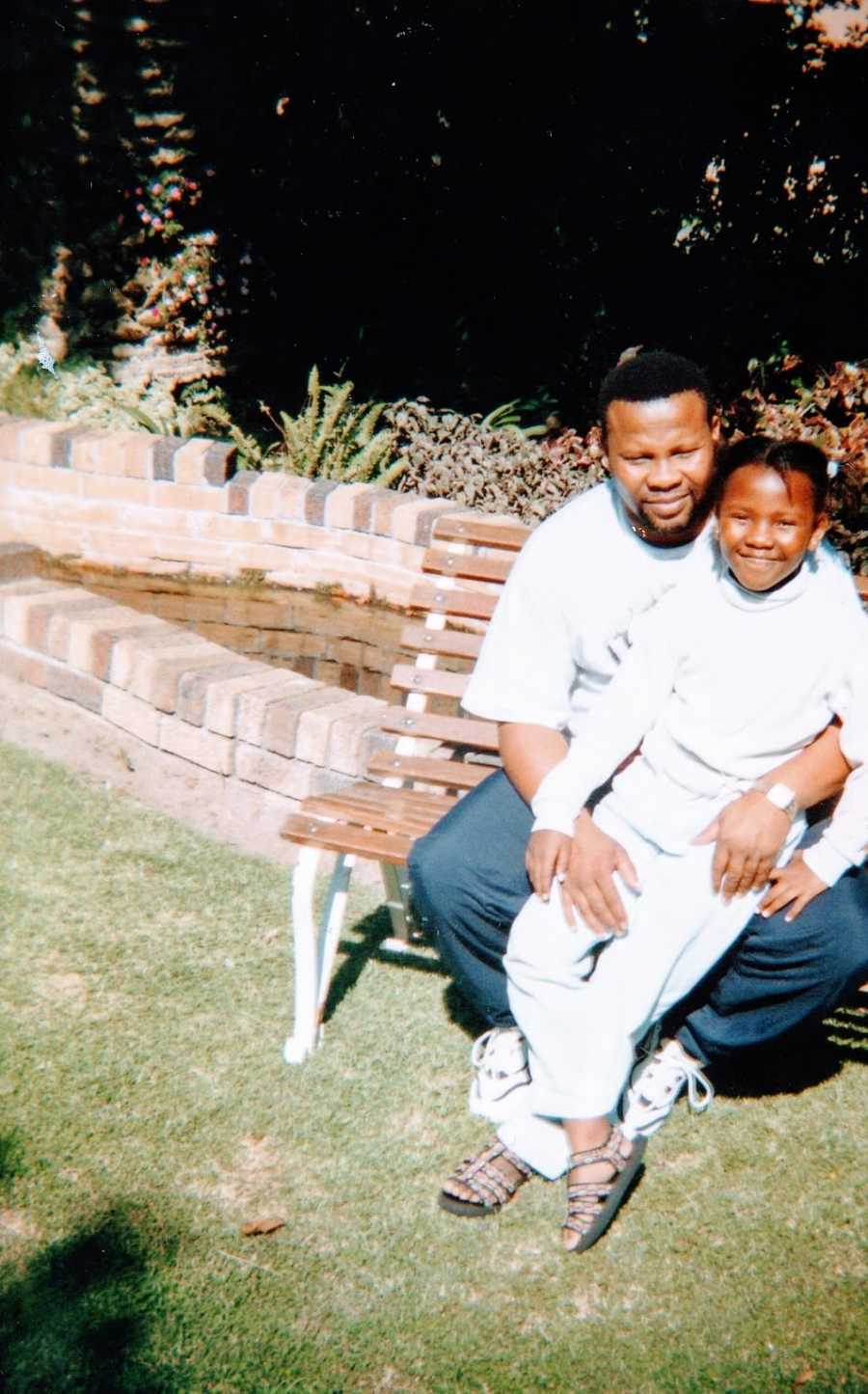
But questioning adults wasn’t encouraged in the world I grew up in. So I swallowed my feelings, stepped quietly into a caretaker role for my sister, and tried to hold things together while my mother pressed forward with her career and her mission to “save the world.”
My teenage years became a storm. I swung from being the well-behaved child to the one always pushing limits. To silence the chaos inside, I turned to alcohol, weed, and toxic friendships. I put myself in dangerous situations, one of which I still remember vividly — waking up in an unfamiliar apartment with strangers, miles from home. My “friends” said I’d tried to jump out of a moving car, so they left me there. I never blamed them. We were all young, all broken in our own ways.
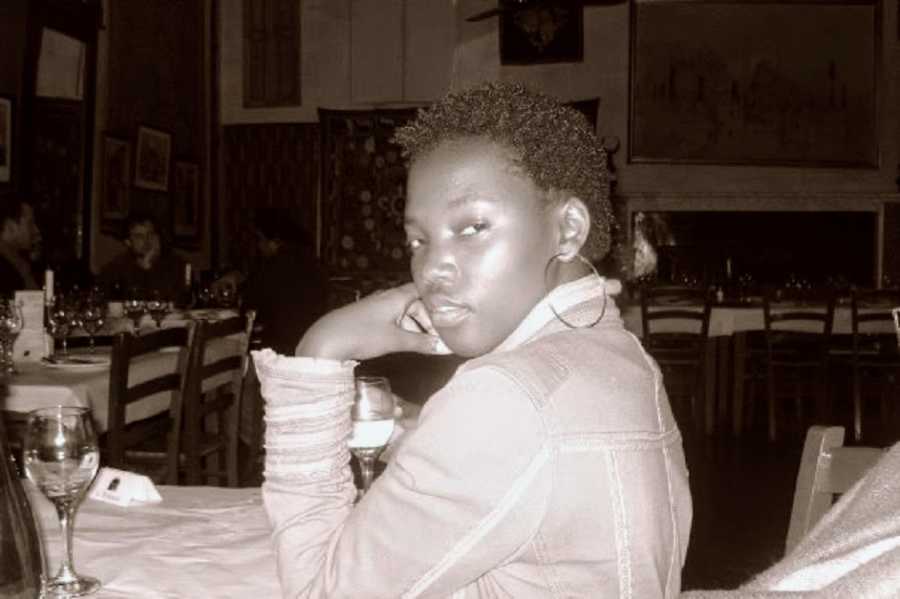
When I told my mother the next morning, she rushed me to the ER. The doctor casually asked whether I’d been sexually active. I was sixteen, intoxicated, unconscious — and that was my first sexual encounter. The shame was suffocating. Later that day, my mother broke down in tears, and the sound of her crying still lingers in my memory. We never spoke about it again.
The darkness deepened. I didn’t like the life I was drifting into, and more than once I tried to escape it entirely. At seventeen, after “falling” from a fifth-story balcony and fracturing my pelvis, the thud of that landing became my wake-up call. Something inside me shifted. I stopped trying to disappear and began looking for ways to truly live.
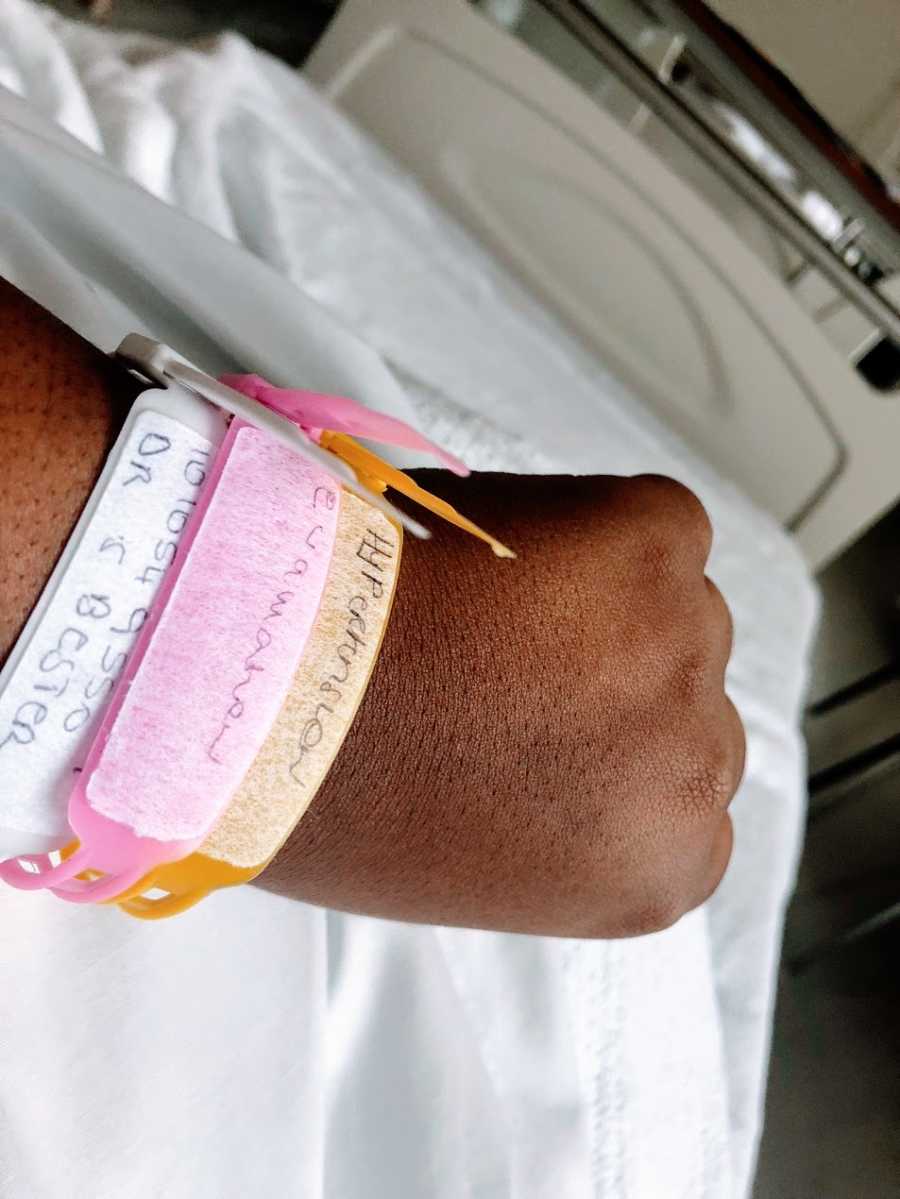
In my later teens, I dated men who were emotionally distant or unkind, but none left much worth remembering. Everything changed during the 2010 Soccer World Cup, when I met the man who would become my husband. He saw parts of me I couldn’t acknowledge myself. Being vulnerable with him felt terrifying — almost unreal — but it was also the beginning of healing. We faced our share of challenges, especially as I wrestled with doubt, yet our journey together only strengthened us.
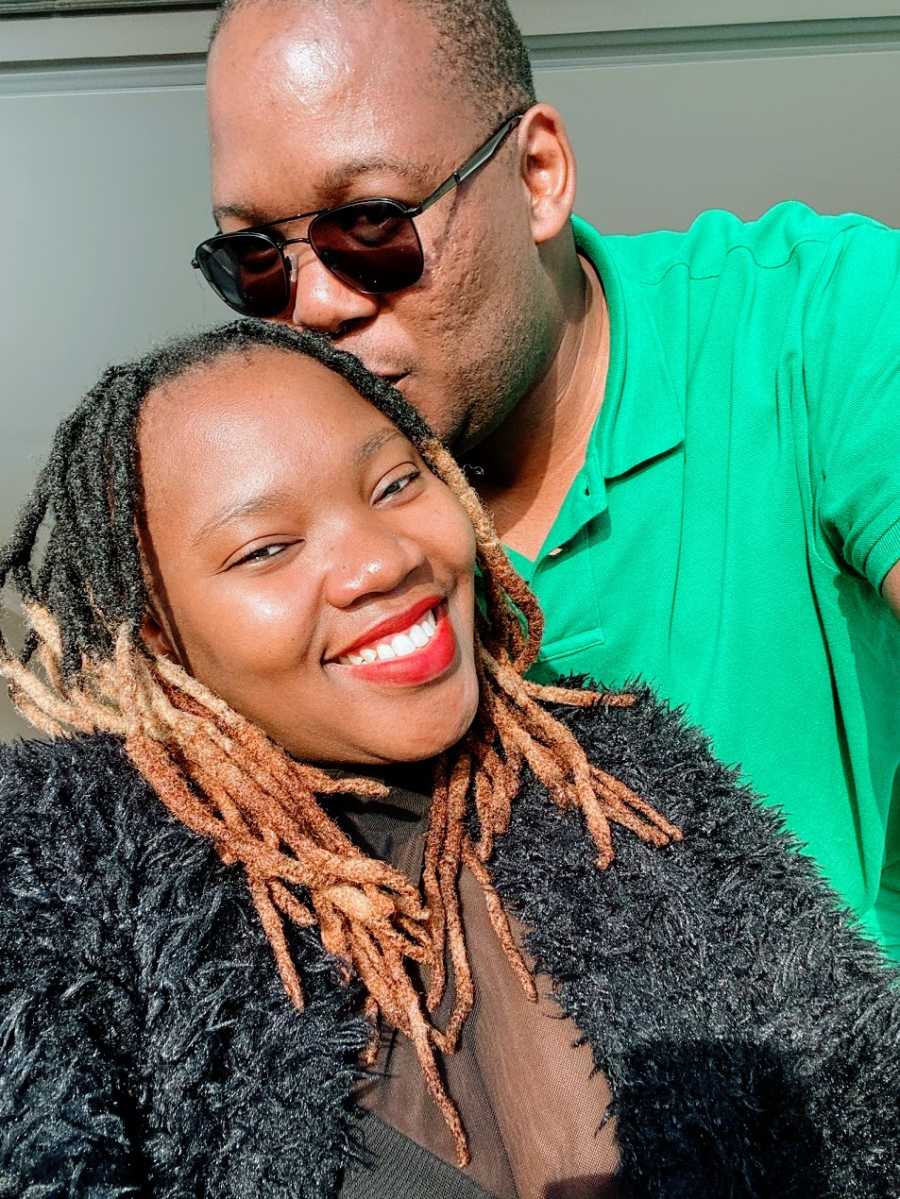
Then 2018 arrived — and with it, one of the hardest seasons of our marriage. Over eighteen months, I experienced multiple miscarriages. Four pregnancies resulted in only one child. My grief was overwhelming. I blamed my body, convinced I was being punished for my past. Depression began creeping back, whispering familiar lies.
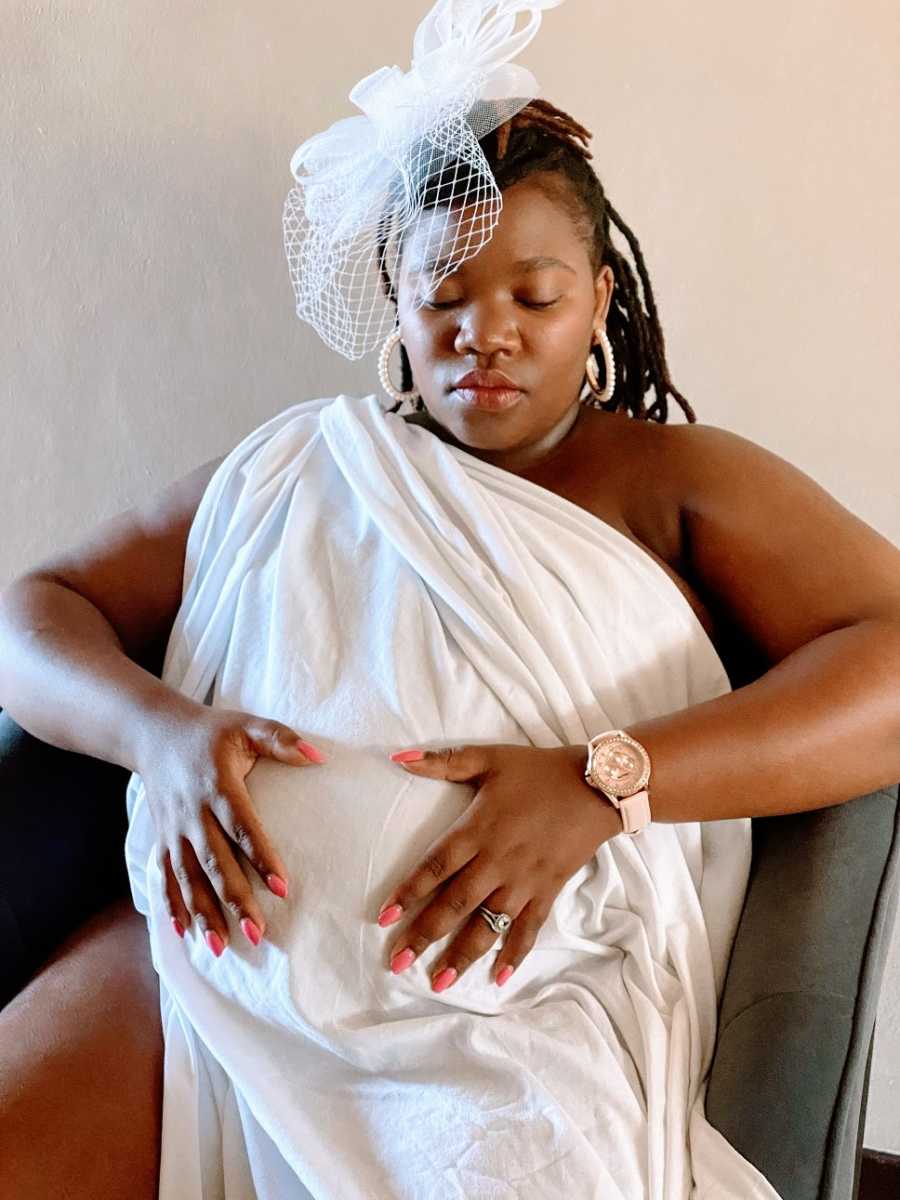
But I had my husband, my son, and, eventually, myself to fight for. Therapy felt out of reach — private mental health care in South Africa is incredibly expensive — so I turned inward. I started journaling, then built goals around becoming a healthier version of myself: mentally, physically, financially, and spiritually. I started a business so I could wake up doing work I love, and I joined the Rise fitness community for accountability. I also began having the difficult conversations I’d avoided with my mother. It’s still a work in progress, but our relationship is slowly healing.
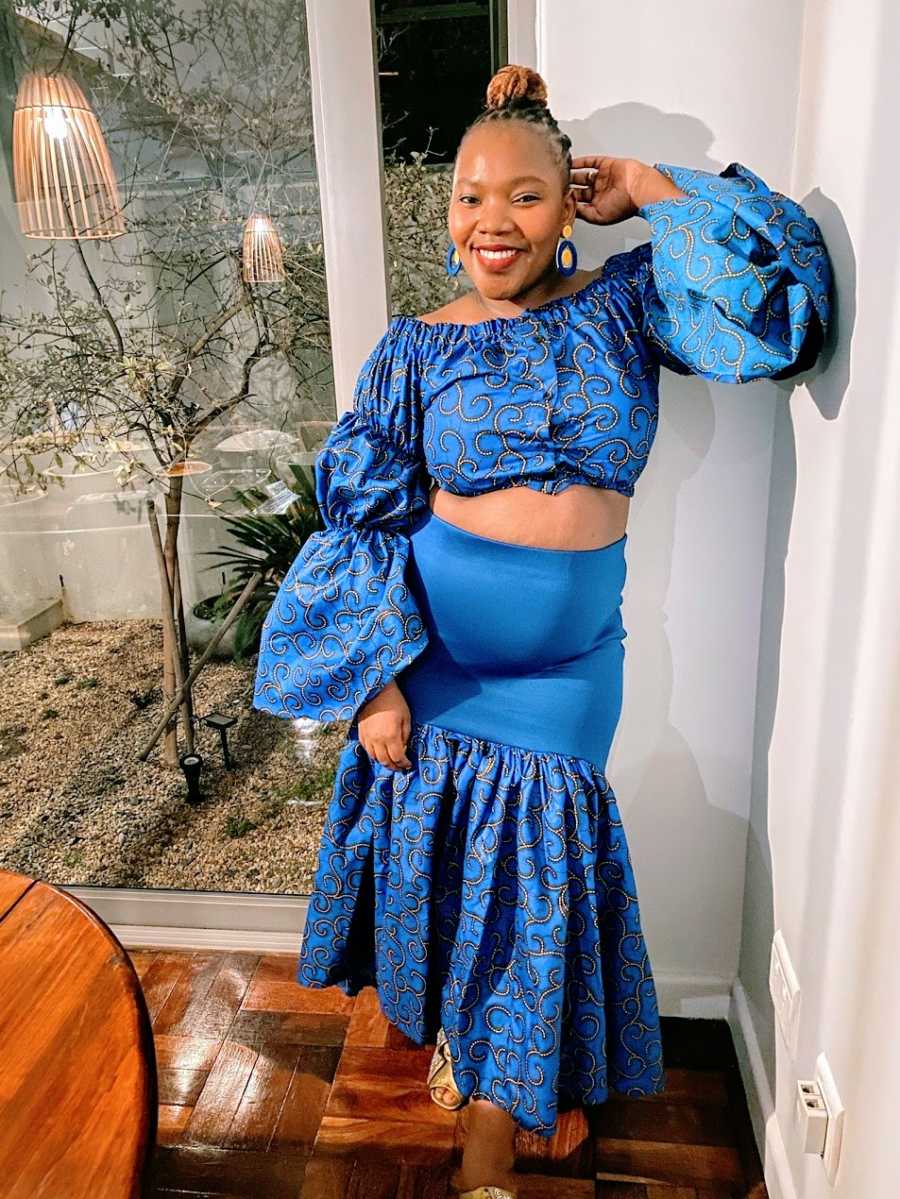
Some days the heaviness still returns, though never as intensely. Healing, I’ve learned, isn’t a destination. It’s the ongoing choice to keep going.
I began using Instagram almost like an open journal, hoping my honesty might help someone else feel less alone. A friend invited me to start a YouTube channel — Mistresses of Mayhem — where we discuss mental health, relationships, sex, parenting, and life with humor and honesty. It has become a space of release and growth, not only for me but for others who watch.
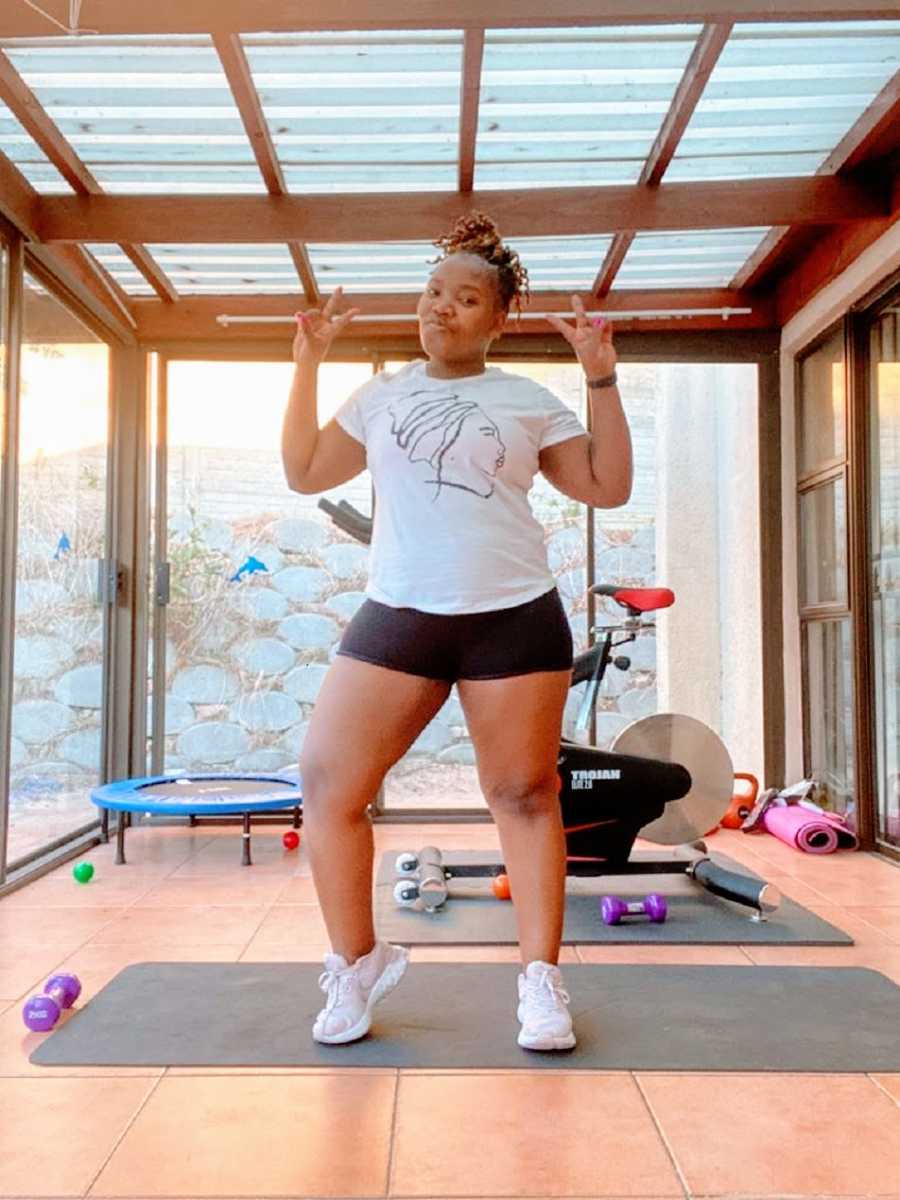
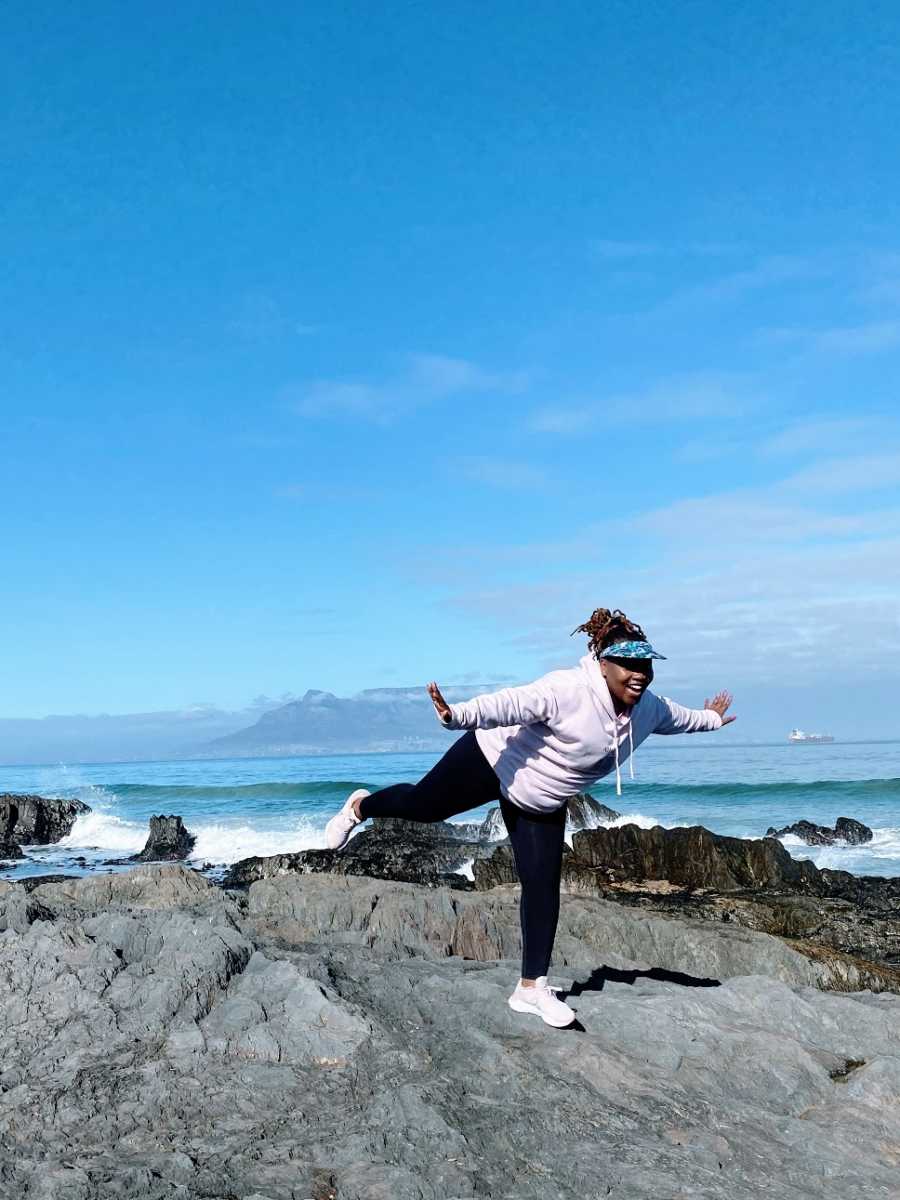
My hope is that by sharing my journey, others feel encouraged to speak, seek help, or simply believe there is still light ahead. Life can be painfully hard, and silence can feel like the easiest option — but our unspoken thoughts can be the most destructive.
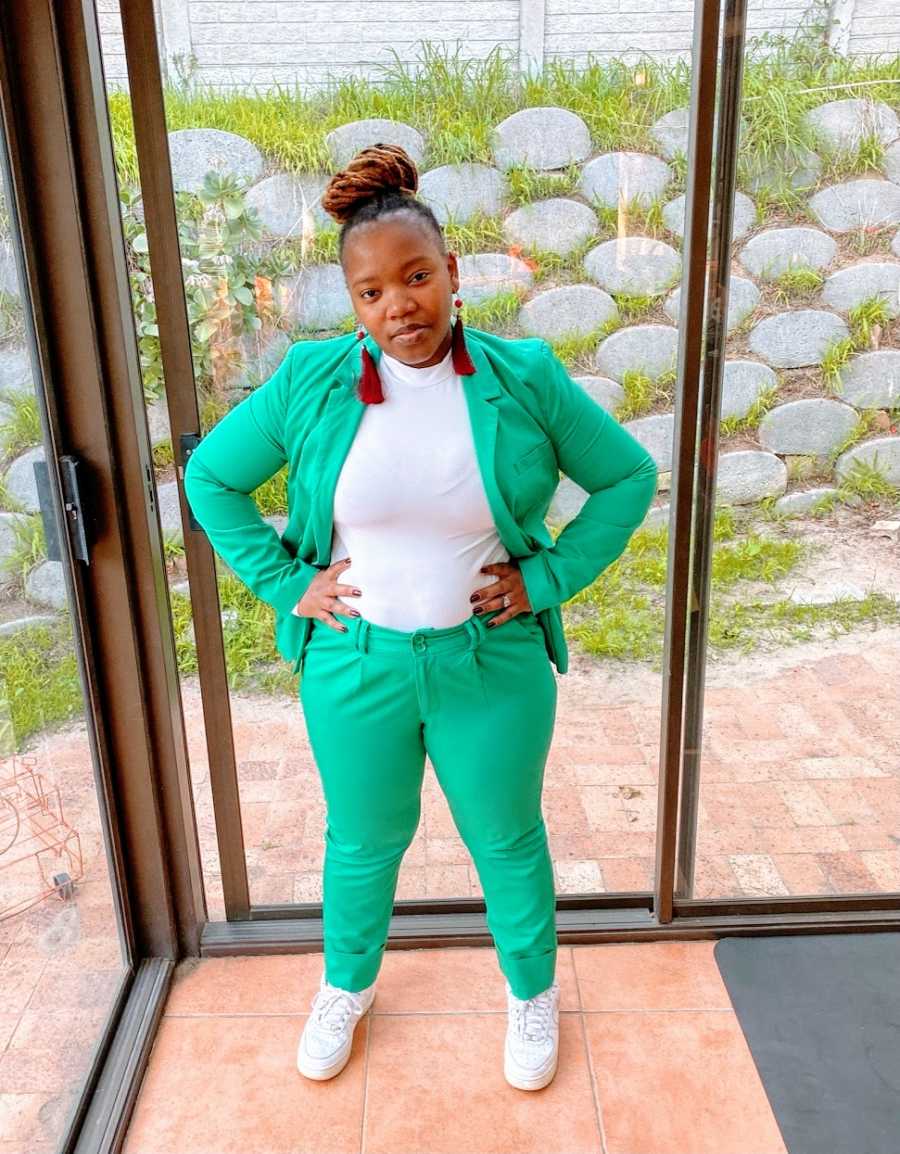
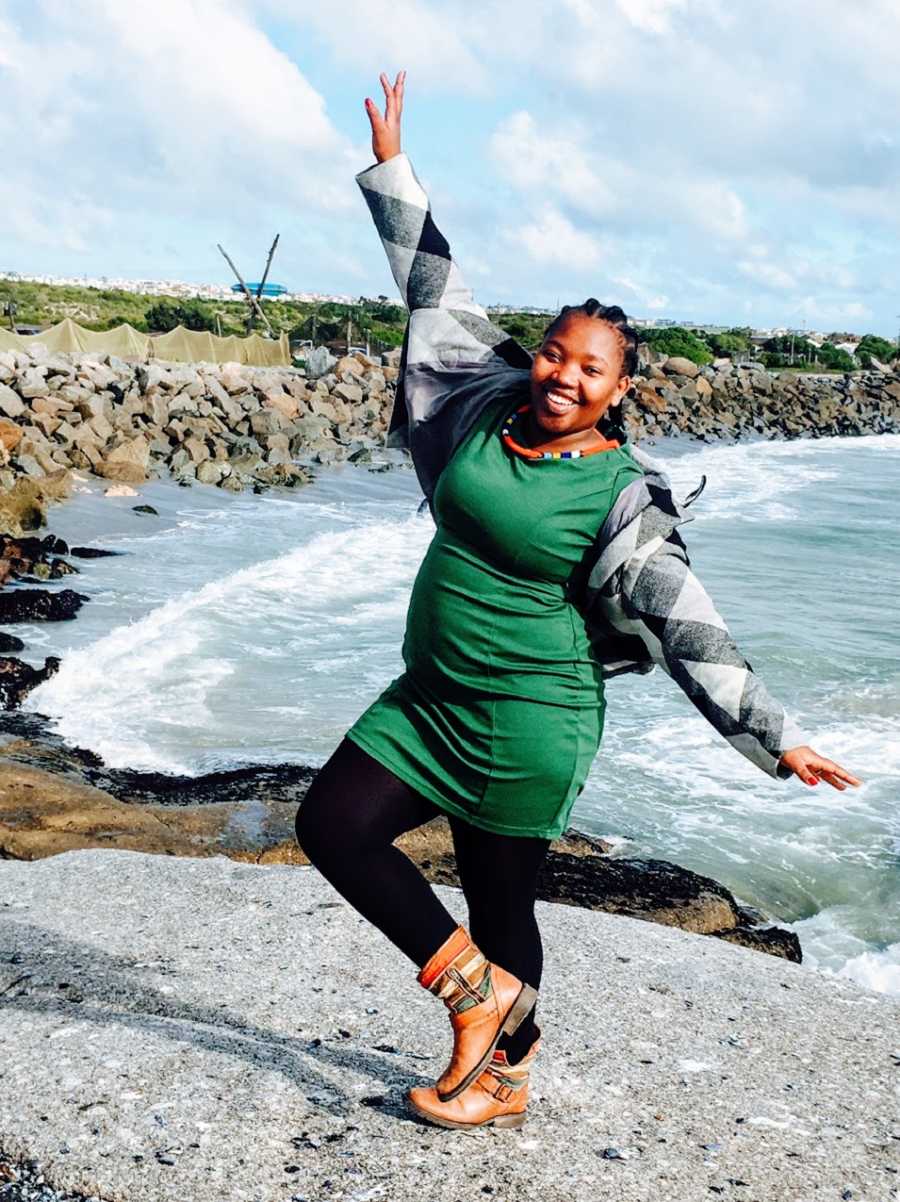
Buddha’s words live in me now: “What you think, you become. What you feel, you attract. What you imagine, you create.” When I lived in darkness, I invited more darkness. When I started seeing myself with compassion, I slowly created room for joy, purpose, and possibility.
And if you’re searching for that same shift, I hope you remember: you don’t have to walk through it alone.