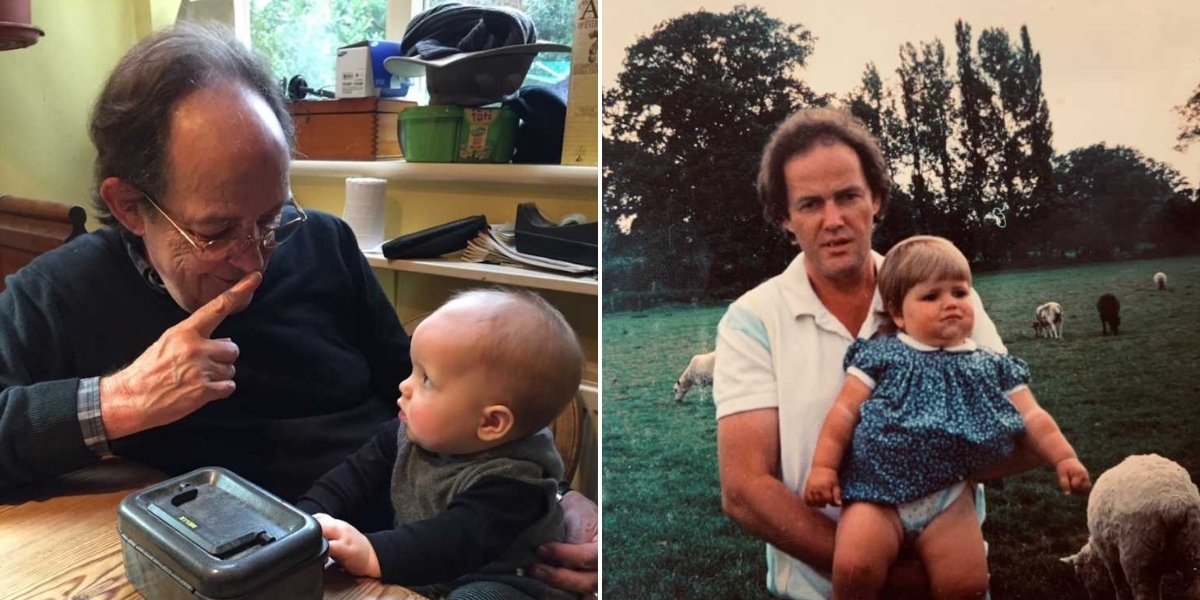
Where do I begin? My family — and my life — have never been anything close to quiet. It may sound strange after everything I’m about to share, but I’ve always been private and introverted, someone who rarely opens up, even with the people closest to me. Over the last few years, though, I realized that silence often made me feel isolated, as if all the words I needed to say were locked away. So now I try to talk more — not for attention, but so people can understand me, and know I’m someone they can come to for comfort, a listening ear, or advice if they want it.
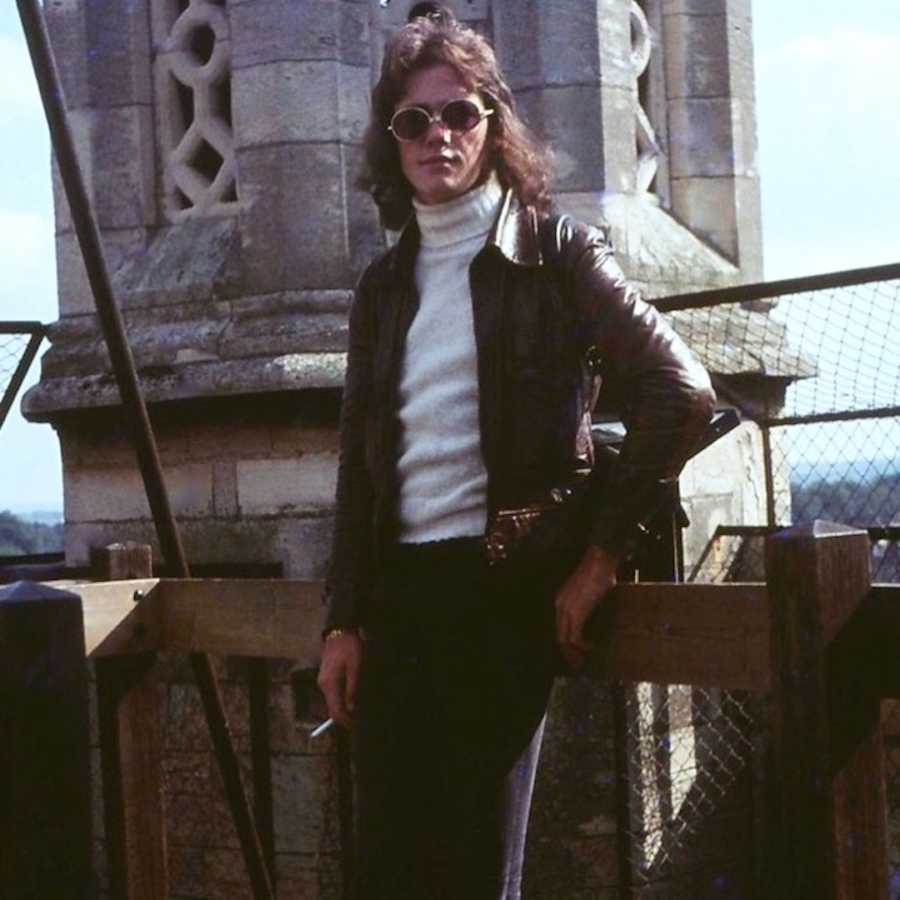
Before my dad met my mom, he spent his life traveling the world as a photographer and croupier. He trained on casino tables in Las Vegas and eventually became a manager at a Kensington casino in London. He was so skilled at card counting that he wasn’t legally allowed to gamble in the UK. When he wasn’t working, he lived for music — the type of man who would see Pink Floyd five nights in a row. His life moved fast, wild, and full of stories. There are parts of it I may never know, but the ones I do feel like chapters from five different lifetimes.
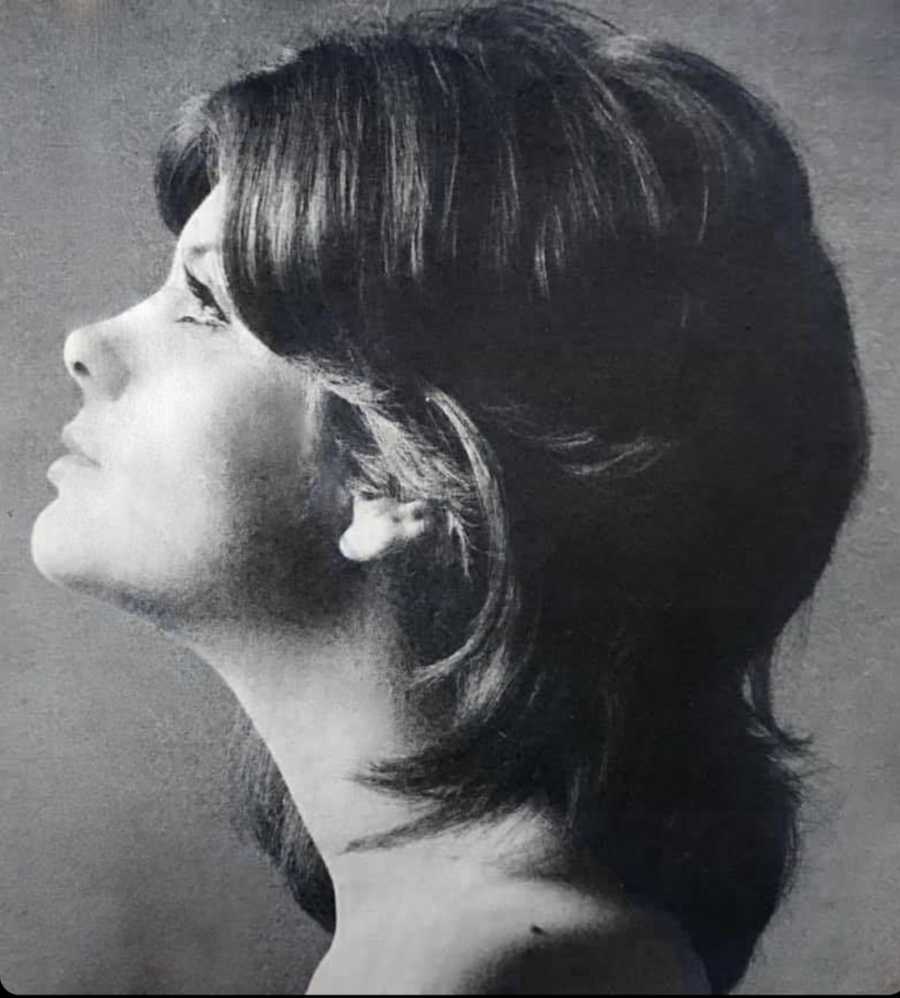
My mom moved to London from a quiet town to pursue modeling. She wasn’t tall enough for runway shows, but she appeared in magazines and carried her natural beauty through every stage of life. She married her first husband, and together they had three children. They adored each other, but tragedy struck when he died in his early thirties after a late cancer diagnosis, leaving behind my mom and their three young kids. That chapter belongs mostly to them — I hadn’t arrived yet.
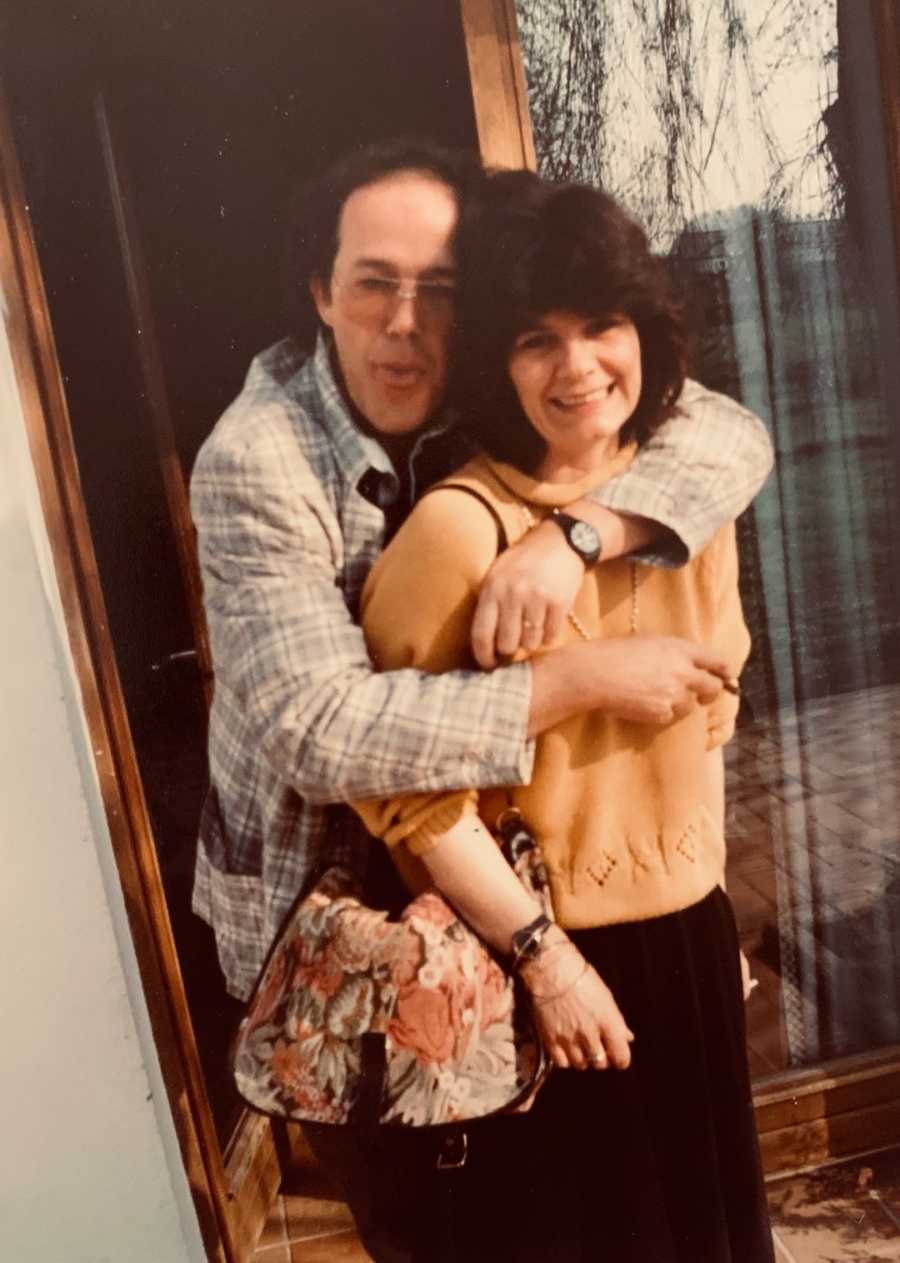
My parents eventually met through mutual friends. My mom admitted she disliked him instantly, calling him arrogant. He teased her back, nicknaming her “the hippy bag lady” because of her flowy skirts. Somehow, two complete opposites fell deeply in love.
When they first started dating, my dad traveled down the Amazon River with a travel-writer friend as his photographer. He hated the experience, yet the photos, articles, and book clippings reveal so much about who he really was. That trip changed him. The man who swore he never wanted children came home wanting to marry my mom and have a baby. He declared the baby would be a girl named Kate — and, as usual, he got his way.
My childhood felt almost magical. We lived in a beautiful house with a garden that was always full of friends and laughter. My mom cooked huge meals for whoever showed up, and our home became the place everyone gathered. My dad filled the rooms with music — Tom Petty, Pink Floyd, Eric Clapton — and it bonded us in a way nothing else could, along with our shared love of photography. I felt surrounded by love and adventure, grateful for everything.
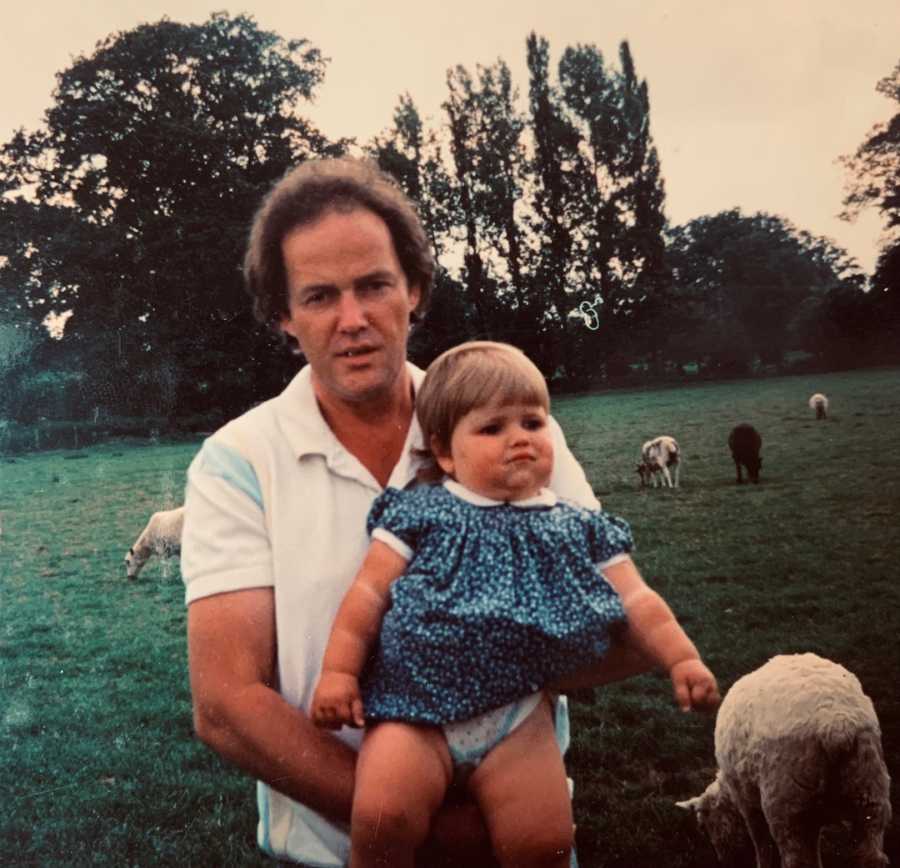
But life rarely stays untouched. When the casino my dad managed was sold, he was made redundant, and everything shifted. He slipped into depression, drank more, refused to work, and the difficult sides of him became harder to ignore. Eventually we moved to a smaller house, and my teenage years with him grew explosive. I did all the things rebellious teenagers do, while he struggled with worsening health. He was diagnosed with COPD, the result of habits he wouldn’t give up, and over time we watched it progress.
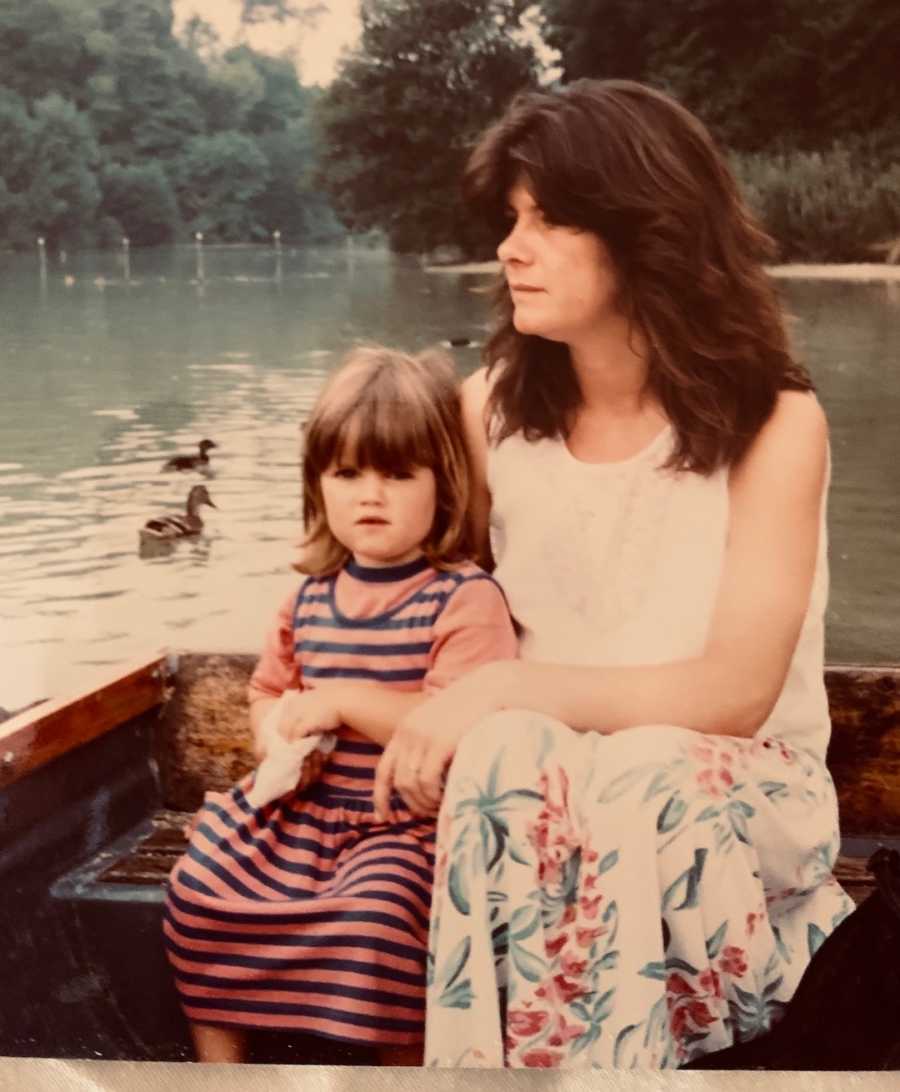
At 18, I met Joe. I didn’t want a boyfriend, but somehow I fell in love anyway. He grounded me. He mended my relationship with my dad quietly, simply by being himself. They became close, and in his wedding speech my dad said Joe helped me “blossom” into the woman standing before him. Seventeen years later, that still feels true.
By our 2013 wedding, my dad had been in and out of hospitals so many times we often prepared to say goodbye. We didn’t think he’d even attend, much less walk me down the aisle — but he did. And I’ll never forget him dancing to “All These Things That I’ve Done” by The Killers, grinning like he owned the room.
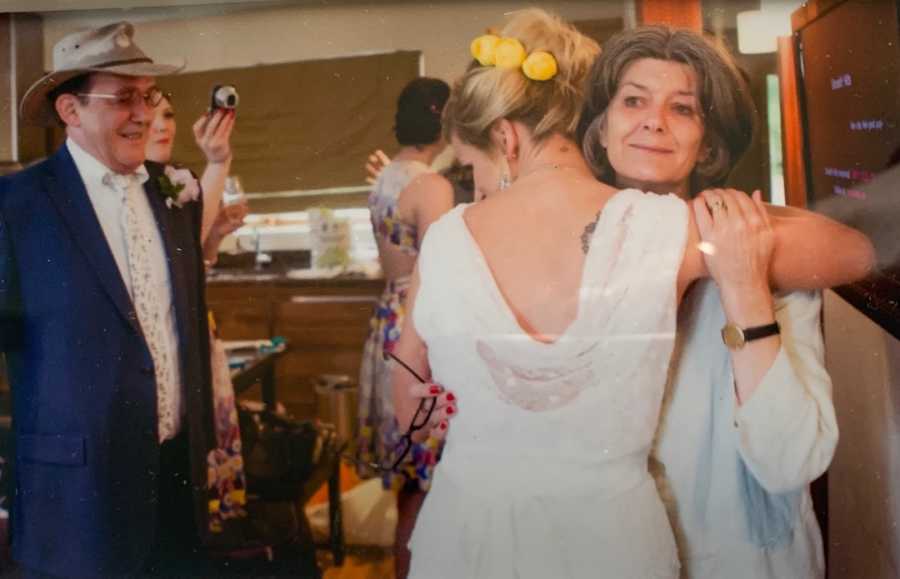
Shortly after, Joe and I learned we were expecting. When our daughter Olive arrived, my dad was already too weak to travel far or leave the house, but the love he had for her filled every moment he spent with her.
Then, just before Olive turned two, I received a call. That very morning, I’d sent him a video of Olive saying, “Hello Grandad, I love you.” He never saw it. My mom told me he’d been rushed to the hospital. Three days later, he died at age 66. They never confirmed exactly what caused it — perhaps infection, sepsis, or simply his body giving up alongside COPD. I felt stunned. He’d been sick, but was he really that close to the end?
I crawled into bed and stayed there for weeks. Losing him felt wrong — like I was too young, like Olive had been robbed of memories. Yet even through grief, I remembered him honestly: brilliant, stubborn, funny, difficult, and unforgettable. His funeral overflowed with people, proof of the impression he left on everyone.
My mom struggled deeply. Losing two husbands by 64 would break anyone.
We had always been close. She trusted me, supported me, and eventually became not only my mother but my best friend. She was by my side through both of my children’s births and through two spinal surgeries — one after Olive was born, and another emergency surgery ten months after having my son, Art. She could sense my anxiety just by hearing my voice. No one knew me better.
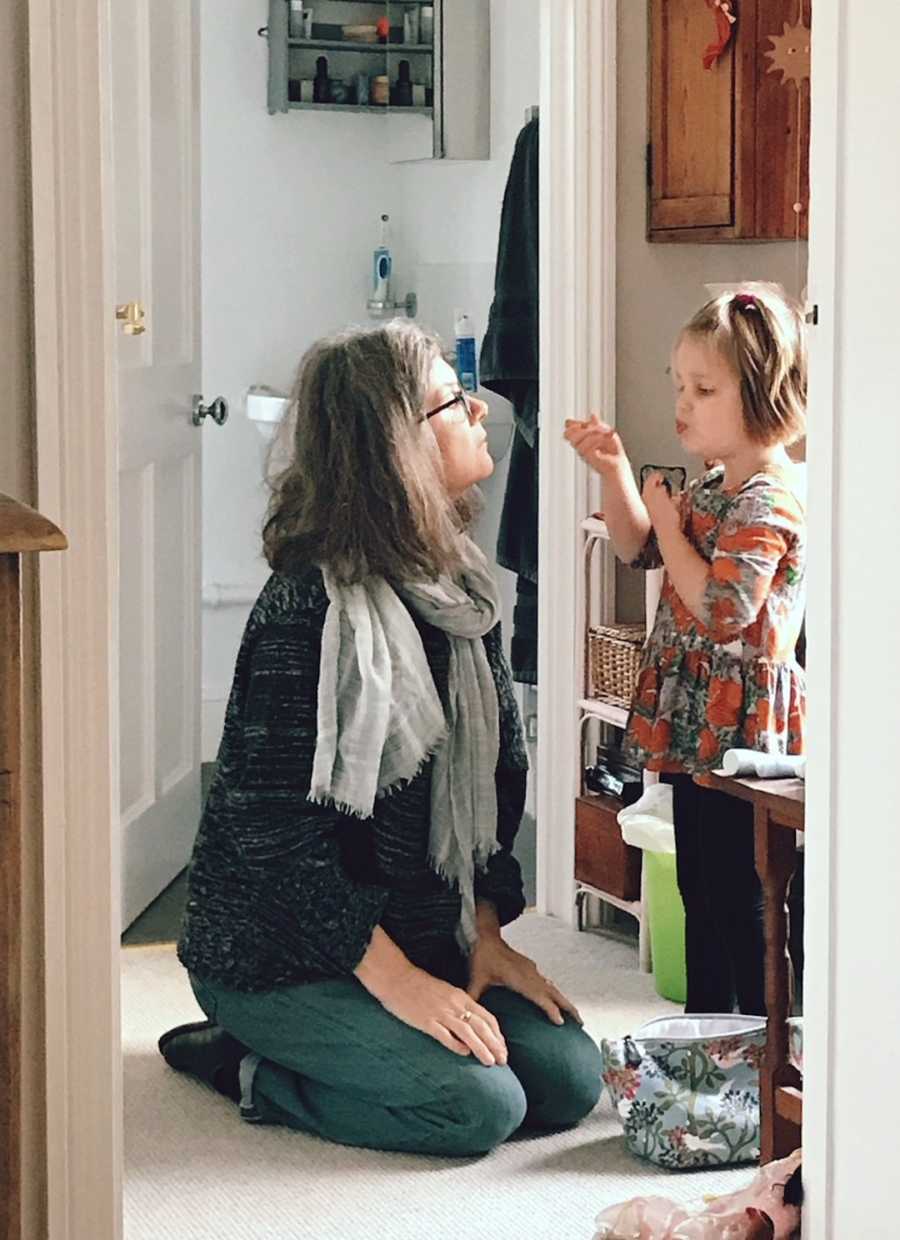
In 2019, she was diagnosed with both bowel and pancreatic cancer. She’d hidden symptoms for months. I handled it terribly — I refused to believe it, demanded second opinions, and kept it mostly secret. We took a family holiday that her doctor encouraged, gently implying it would likely be her last. When we returned, she had surgery, radiotherapy, and chemotherapy. For a while, it seemed to work. Because she didn’t lose her hair, I convinced myself everything was fine.
Then, a week into the first UK lockdown, she was told the treatment had failed. Her prognosis was 8–12 weeks. She looked fine — until suddenly she didn’t. The decline was terrifying. She passed away seven weeks later, at 68. My siblings and I isolated and stayed with her during her final week — a painful, sacred time that still replays in my mind. When she was gone, I became an “adult orphan” at 34. I remember hiding as they took her body from the house, while my siblings shielded me like a wall.
Grief this time felt heavier, quieter. The pandemic made it easier to disappear. I missed all the ordinary things — texting her, sending photos of the kids, sharing late-night calls. I carried anger too, because Joe and Olive couldn’t truly say goodbye due to restrictions. It took months to soften.
But the loss also changed me. I started seeing clearly who showed up and who quietly vanished. I learned talking doesn’t make anything worse — and crying doesn’t make me weak. People often think grief has an expiration date, but it doesn’t. My parents were part of my life for decades; healing doesn’t erase that kind of love.
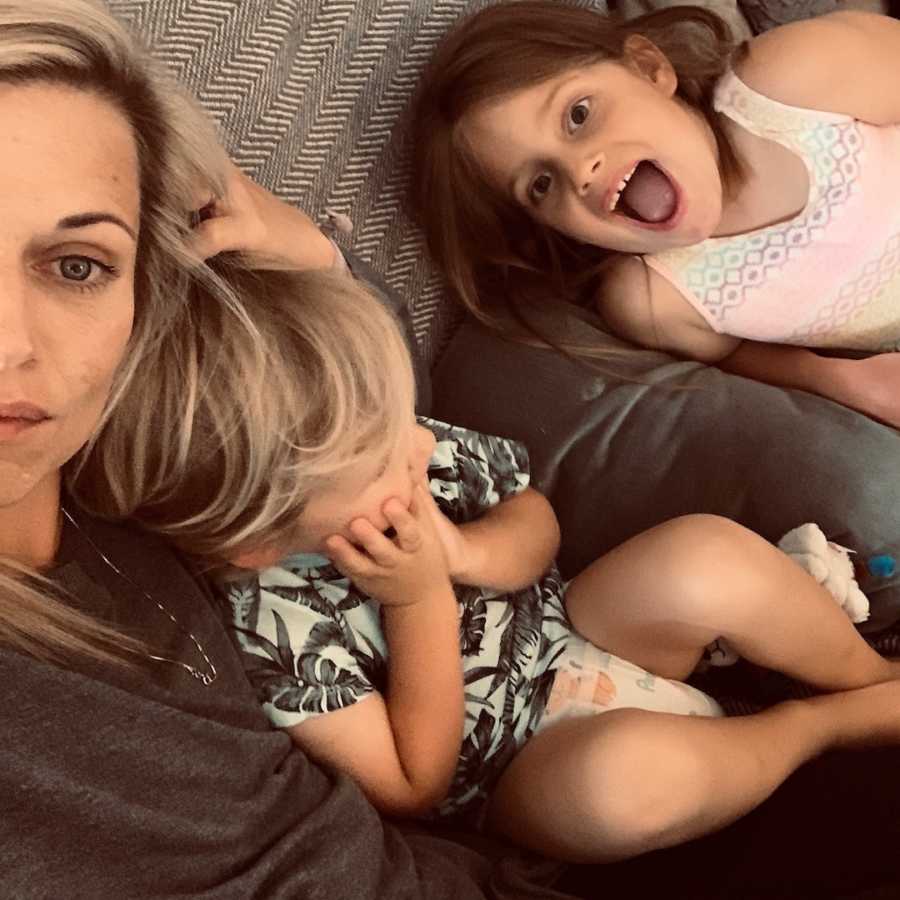
Now I honor them in small ways. I wear my mom’s wedding ring and a locket with both their photos. I keep pink lilies — her favorite — in the house, and I blast my dad’s favorite songs in the car. Two robins visit our garden almost every day, and I like to imagine they’re my parents, watching over us.
And through everything, we’ve kept honesty at the heart of our family. We explained loss gently to Olive, giving her space to feel. A week after my mom died, she hugged me and said, “You’re very young to have no mom and dad — but I’m here whenever you’re sad.” From a seven-year-old, those words felt like the hug my soul needed.
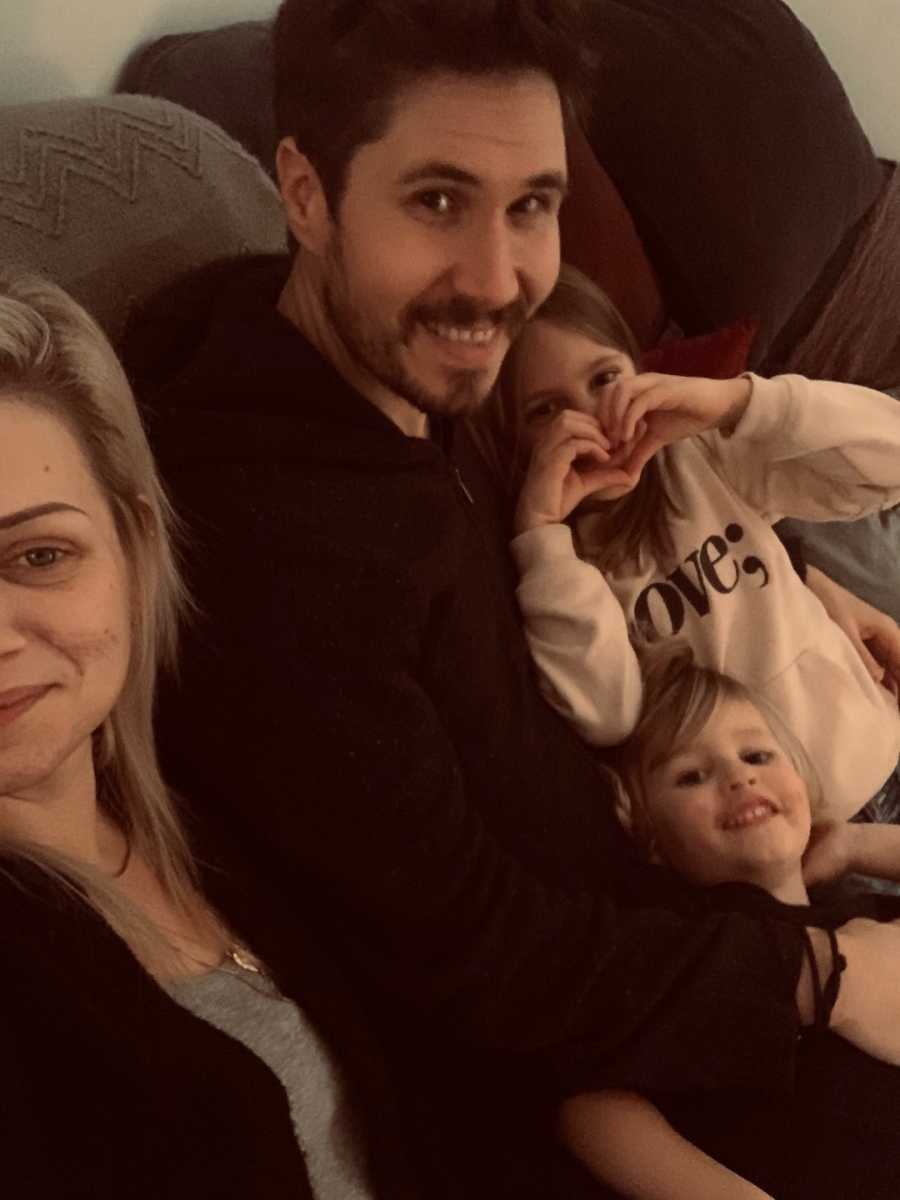
I’ve learned that sometimes the best thing to say is simply, “I’m here.” Not advice. Not fixes. Just presence. Because grief is lonely, unpredictable, and never the same for two people — but love, somehow, finds its way through.